Agricultural markets are bracing for a period of extreme climate uncertainty as the upcoming El Niño pattern threatens to upend delicate growing cycles. Unlike simple drought scenarios, this phenomenon triggers a complex, regionalized cascade of excessive rainfall and heat. For farmers already struggling with elevated fertilizer and energy costs, the timing of these weather shifts could prove catastrophic.
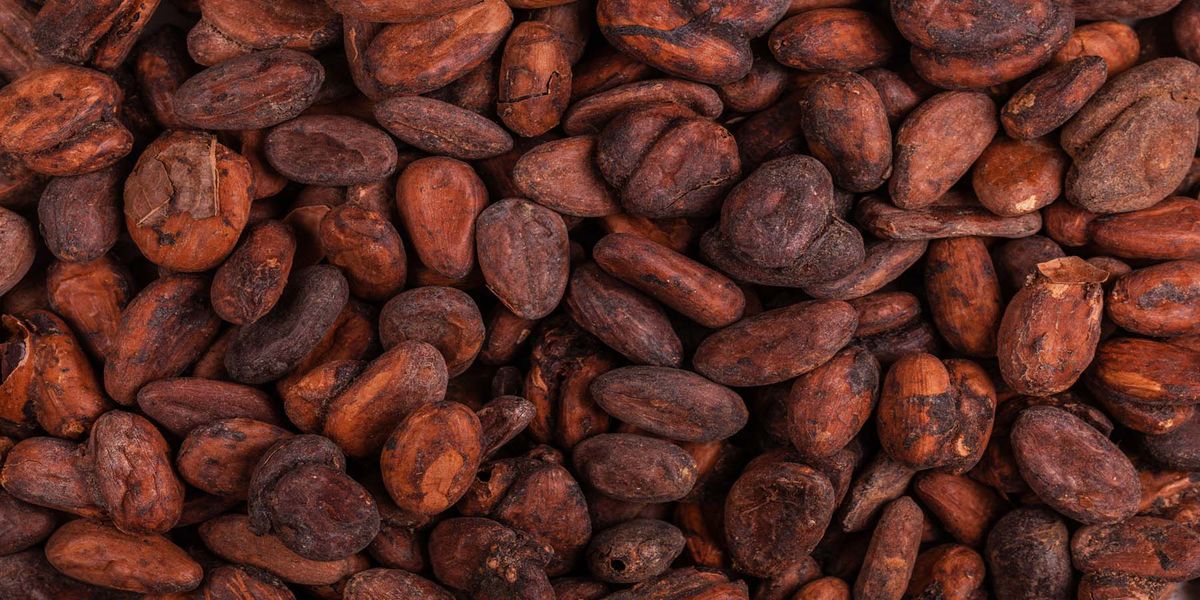
Cocoa remains the most exposed sector. Because production is heavily concentrated in Ivory Coast and Ghana, any localized weather disruption creates immediate global supply deficits. Historical data from WisdomTree confirms that every strong El Niño over the last 55 years has resulted in reduced output. The 2023-2024 cycle serves as a cautionary tale: initial heavy rains fueled fungal diseases, while subsequent heat waves stunted flowering, ultimately pushing cocoa prices beyond $12,000 per metric ton.
Coffee and sugar face more nuanced, split outlooks. Robusta yields in Vietnam and Indonesia are directly threatened by predicted dryness, while Arabica in Brazil might see temporary relief from frost before facing late-season heat. Conversely, sugar markets may find a rare stabilizer in Brazil; increased rainfall there could potentially offset production losses in India and Thailand. Ultimately, the crisis is defined by a shift in global baselines, where climate change amplifies the volatility of traditional weather patterns, leaving little room for error in current supply chains.



Comments (0)
No comments yet. Be the first!