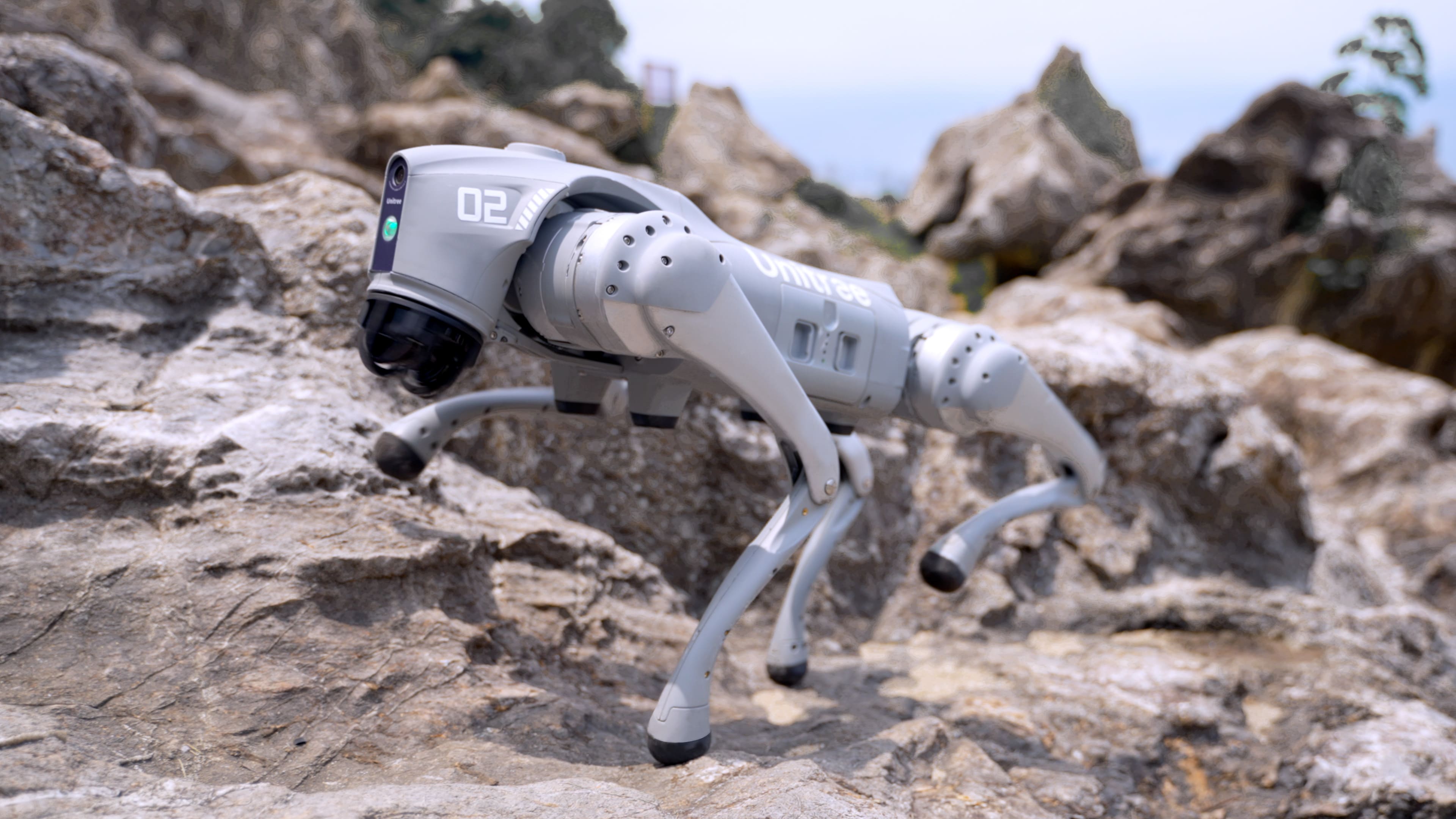
The success of the $1,600 Go2 model, which helped propel Unitree to a $9 billion valuation ahead of its IPO, is rooted in the U.S. Army’s Robotics Collaborative Technology Alliance. Between 2010 and 2020, this program funded academic research at institutions like the University of Pennsylvania and MIT. Researchers, including Gavin Kenneally and Ben Katz, developed the foundational agility and actuator designs that later appeared in Unitree’s hardware. Katz noted that the dimensions of the Go series are identical to the U.S.-developed Mini Cheetah robot "to the millimetre."
While the U.S. military published these findings to stimulate scientific progress, the lack of domestic industrial support left the technology vulnerable to rapid commercialization abroad. Unitree founder Wang Xingxing cited these U.S. lab contributions in his 2016 master's thesis, subsequently leveraging China’s dense supply chains for motors and critical minerals to achieve production volumes that U.S. firms cannot match. Even companies like Ghost Robotics, which supplies U.S. special forces, struggle to compete with Unitree’s output, often finding their own production costs significantly higher.
This gap has forced a shift in U.S. policy, moving from open innovation to defensive trade restrictions. The Pentagon recently designated Unitree as a contributor to China’s defense industrial base, and the FCC has moved to block future imports of foreign-made quadruped robots. Industry experts argue that these barriers are insufficient. Without a coordinated national strategy to bridge the divide between software innovation and large-scale manufacturing, U.S. firms remain at a structural disadvantage against China’s state-directed model.



Comments (0)
No comments yet. Be the first!