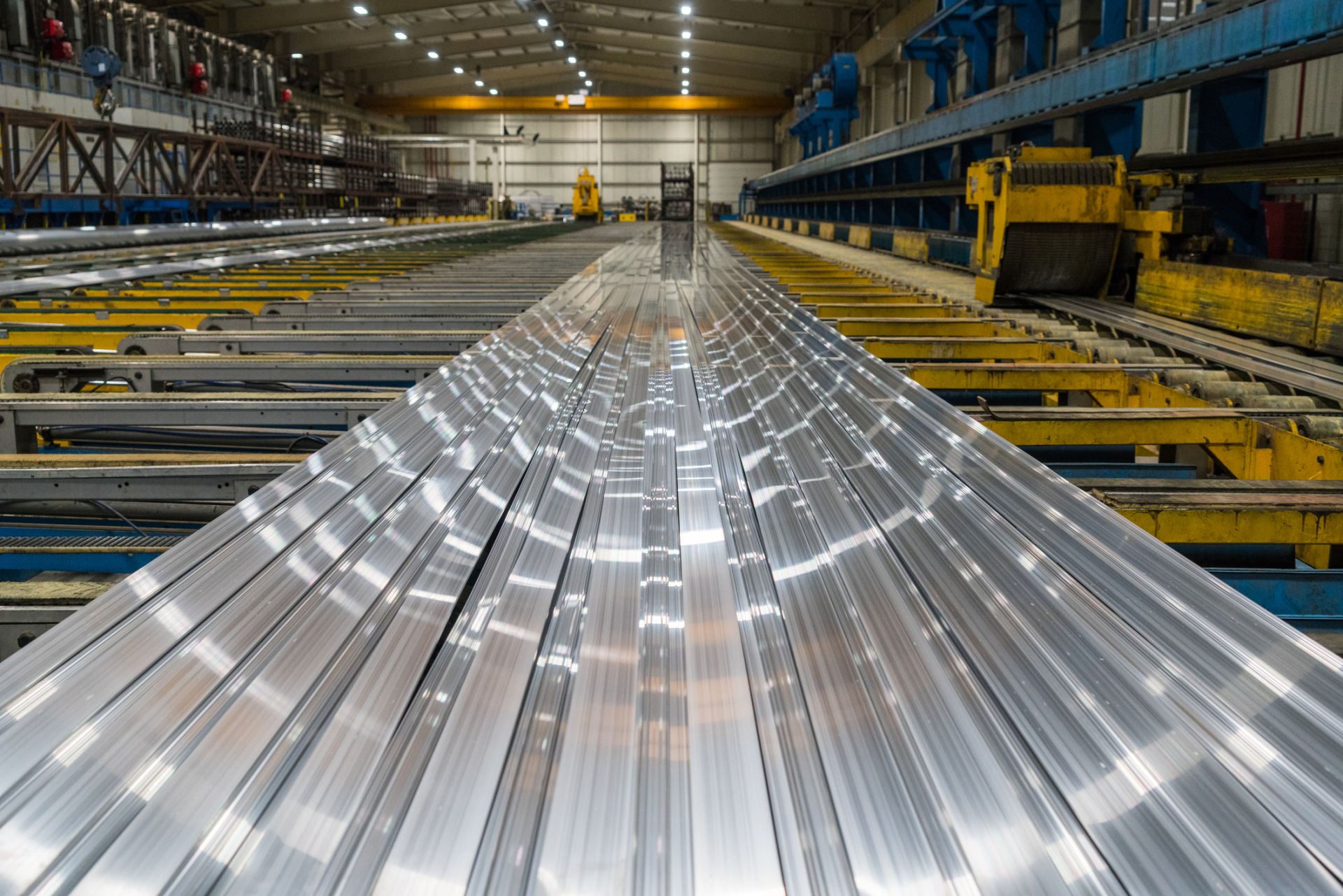
This shift in trade dynamics masks a deeper structural tension. By prioritizing the export of alloys and semi-manufactured goods—a tactical move to circumvent taxes levied on primary metal—China is sustaining its record-high domestic production despite a stagnant local market. This strategy effectively exports the manufacturing process itself, shifting industrial activity away from Western hubs and into Chinese facilities.
Western policymakers are already responding with increased scrutiny and potential anti-dumping measures, wary of the long-term erosion of their own industrial base. While these Chinese exports currently bridge the gap caused by the Iranian conflict, the reliance is precarious. With China’s domestic demand flattening and its production reaching technical capacity limits, manufacturers in the West face an uncertain future. They are increasingly dependent on a supplier that is both a vital lifeline and a formidable competitor.




Comments (0)
No comments yet. Be the first!