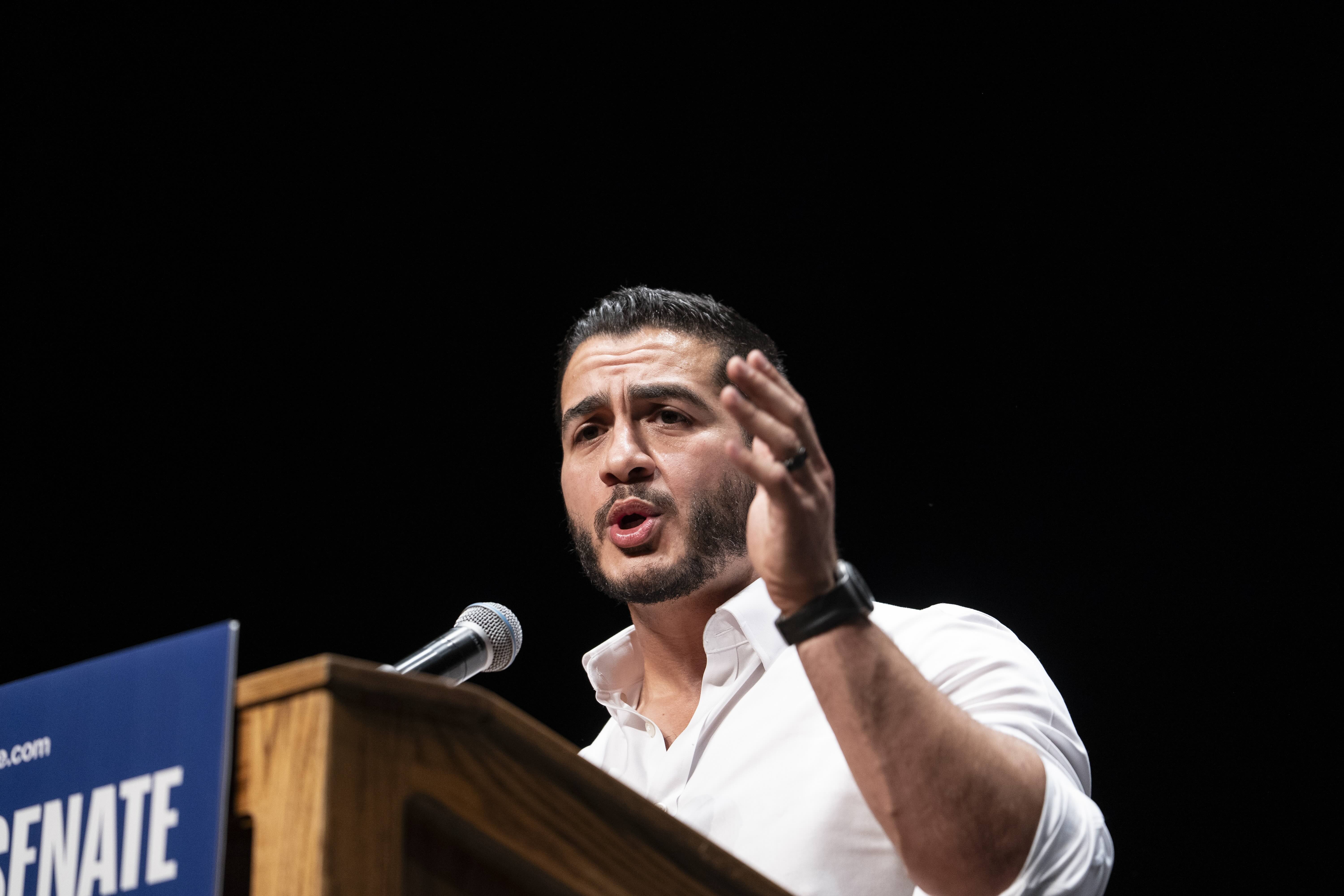
Abdul El-Sayed’s primary victory in Michigan has signaled a shift in how Democratic voters perceive traditional party consensus. By linking foreign military spending to the influence of big donors, El-Sayed challenged the establishment-backed candidacy of Stevens, who benefited from over $60 million in outside spending. Despite massive independent expenditures from the AIPAC-affiliated United Democracy Project, the result suggests that heavy funding no longer guarantees victory and may, in some districts, embolden voters to reject the influence of super PACs.
This trend is not isolated to Michigan. Recent contests in New York and shifts in public opinion—where Pew Research Center reports 80 percent of Democrats now hold unfavorable views of Israel—indicate a broader realignment. In Congress, the divide is becoming increasingly visible, evidenced by a July 15 House vote where 103 Democrats supported an amendment to cut $3.3 billion in aid to Israel. While candidates like Cori Bush in Missouri demonstrate that challenging the status quo is not a foolproof strategy, the debate has undeniably moved toward the party’s mainstream.
As the conversation expands to include the economic impact of Middle Eastern conflicts, such as rising fuel prices, the stakes are rising. Florida's recent controversies over candidate rallies reveal that the friction now extends to the boundaries of political speech itself. With November approaching, the viability of these progressive foreign policy platforms remains the ultimate test. Should candidates like El-Sayed succeed in the general election against Republicans, the Democratic Party may find itself forced to permanently re-evaluate its approach to military aid, donor influence, and international intervention.


Comments (0)
No comments yet. Be the first!