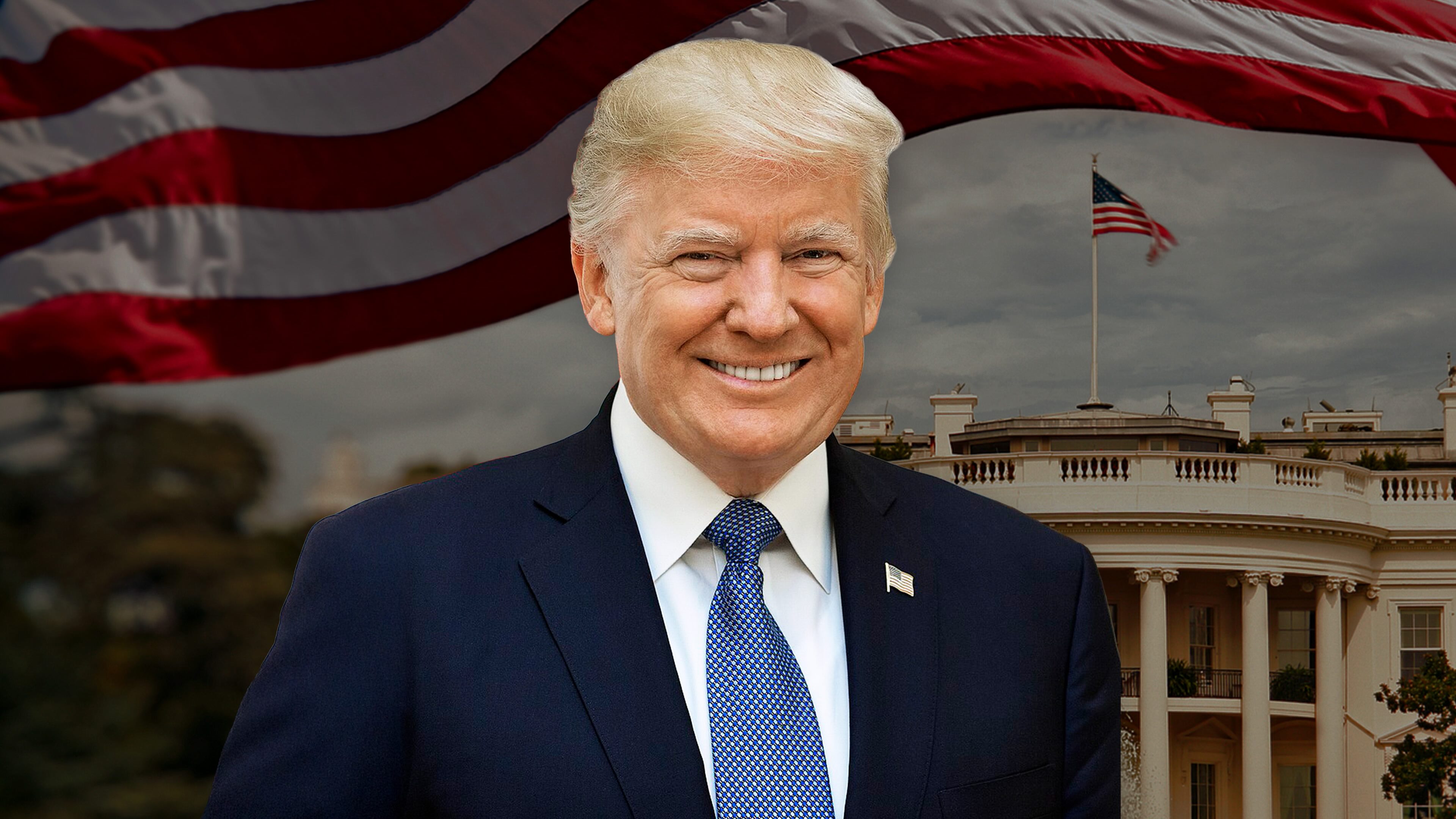
The Board of Peace operates under a charter that simultaneously promotes Palestinian self-governance while lacking the authority to prevent overlapping sovereign claims. While the board, chaired by Donald Trump, attempts to oversee reconstruction, it possesses no jurisdiction over Israeli domestic policy. This leaves the territory subject to competing mandates: one for civil administration and another for territorial expansion. Unlike previous international missions in Kosovo or East Timor, which held clear executive authority, the current Gaza model leaves critical decisions regarding land use entirely to the political calculations of the Israeli government.
This fragmentation is further compounded by the exclusion of the West Bank from the board’s remit. By separating Gaza from the broader Palestinian territory, the current governance architecture mirrors the colonial-era strategy of dividing national claims to avoid a definitive resolution. The ultimate test for this model is not the immediate success of reconstruction efforts, but whether the institution can survive the advancement of settlement plans. If the board remains silent or lacks enforcement mechanisms, it confirms that its trusteeship is entirely dependent on Israeli forbearance rather than international law. The viability of the project depends on whether future resolutions can explicitly bar settlement activity within its zones, a step that would require confronting the founding contradiction of the entire enterprise.


Comments (0)
No comments yet. Be the first!