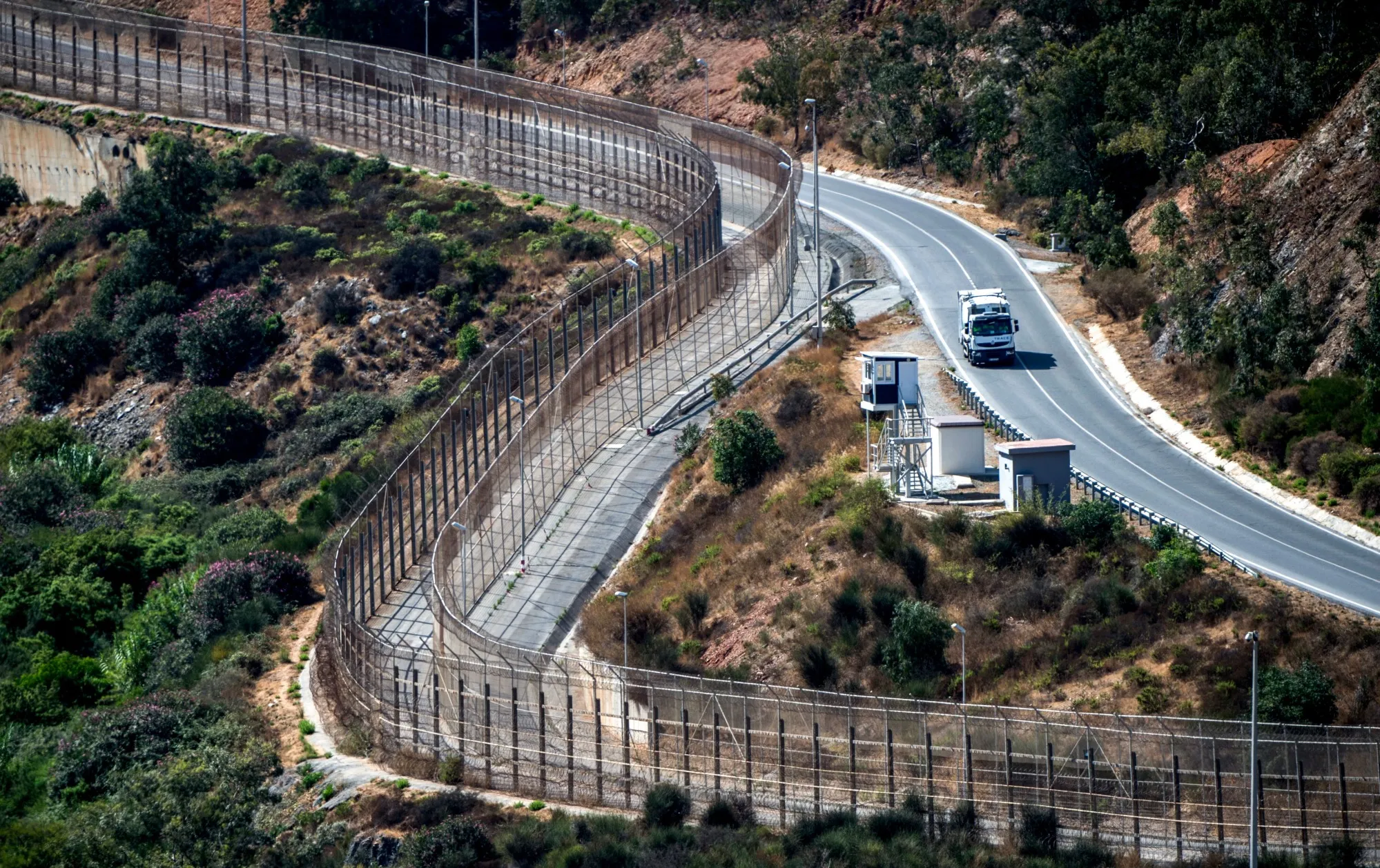
Ceuta remains a geopolitical anomaly: a Spanish territory physically embedded within Morocco and serving as a critical EU frontier. This geography forces the two nations into a complex dance of cooperation and competition. While irregular migration creates immediate security friction, both Madrid and Rabat are acutely aware that a permanent rupture in relations would prove far more costly than managing periodic border instability. The economic and security ties between the two have matured significantly, moving beyond simple neighborly disputes toward a broader, multi-sector partnership.
Underpinning this relationship is a shift in Morocco’s own status. By March 2026, the country was hosting over 23,000 registered refugees and asylum seekers, evolving from a mere transit zone into a regional migration management hub. Spain has leaned into this, recording 36,775 sea and land arrivals in 2025—a 43% decrease from the previous year. Yet, this reliance on external jurisdictions creates a strategic dilemma for the EU. As Europe pushes its border enforcement beyond its physical boundaries, it effectively trades territorial control for political vulnerability, making regional stability hostage to the domestic pressures and diplomatic moods of its neighbors.
Successful management of this frontier requires moving beyond the reactive instinct to label every surge as state-sponsored coercion. Instead, the focus is shifting toward institutionalizing mobility through programs like WAFIRA II, which facilitates organized seasonal labor. By distinguishing between criminal smuggling networks and the structural forces of migration, both nations aim to decouple routine border pressure from high-stakes geopolitical conflict. The endurance of their partnership will ultimately depend on whether Madrid and Rabat view these incidents as evidence of failure or as the inevitable friction of a deeply integrated, interdependent border system.




Comments (0)
No comments yet. Be the first!