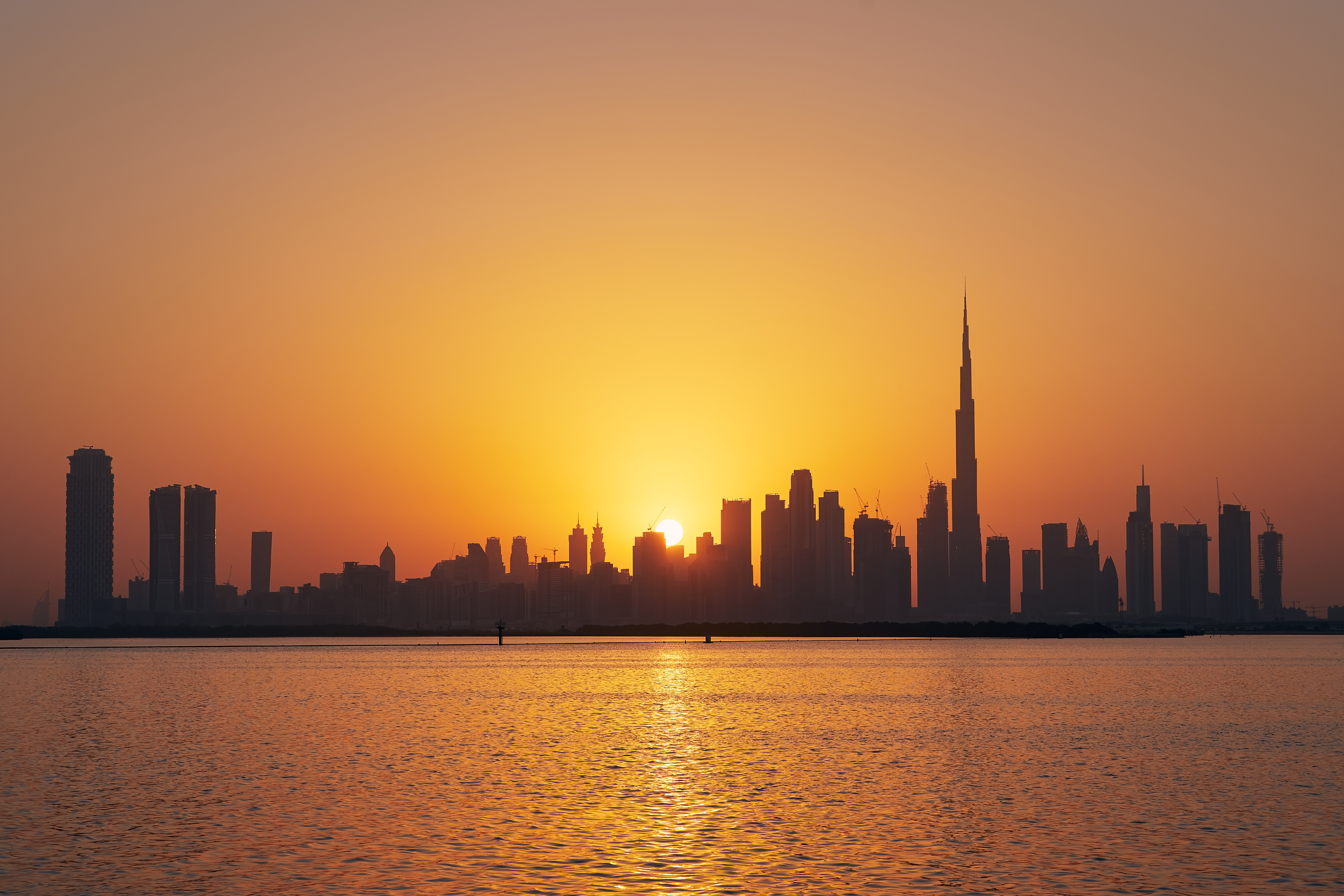
The regional tourism industry, once a pillar of post-oil economic strategy, faced staggering losses during the height of hostilities, with estimates reaching $600 million in daily visitor spending. Beyond the immediate financial toll, the psychological impact of airspace closures and the sight of drones over luxury hubs eroded the perception of safety that previously placed Gulf nations among the world’s most secure. While the April ceasefire ended major combat, the subsequent 'permacrisis'—marked by ongoing blockades in the Strait of Hormuz and elevated airfares—has kept visitor numbers 5-6% below 2025 levels in Saudi Arabia and left major airlines operating at roughly 82% of pre-war capacity.
History suggests resilience, as the region previously recovered from the 1990 and 2003 conflicts to reach new heights of connectivity and investment. To replicate this, Gulf governments are now aggressively subsidizing travel and simplifying entry requirements. Oman has expanded visa-free access, and late 2026 is slated for the pilot of a GCC unified tourist visa, a Schengen-style system designed to facilitate multi-country travel. The challenge remains whether these logistical reforms can overcome the volatile regional security environment and the unpredictable nature of the current standoff with Tehran.


Comments (0)
No comments yet. Be the first!