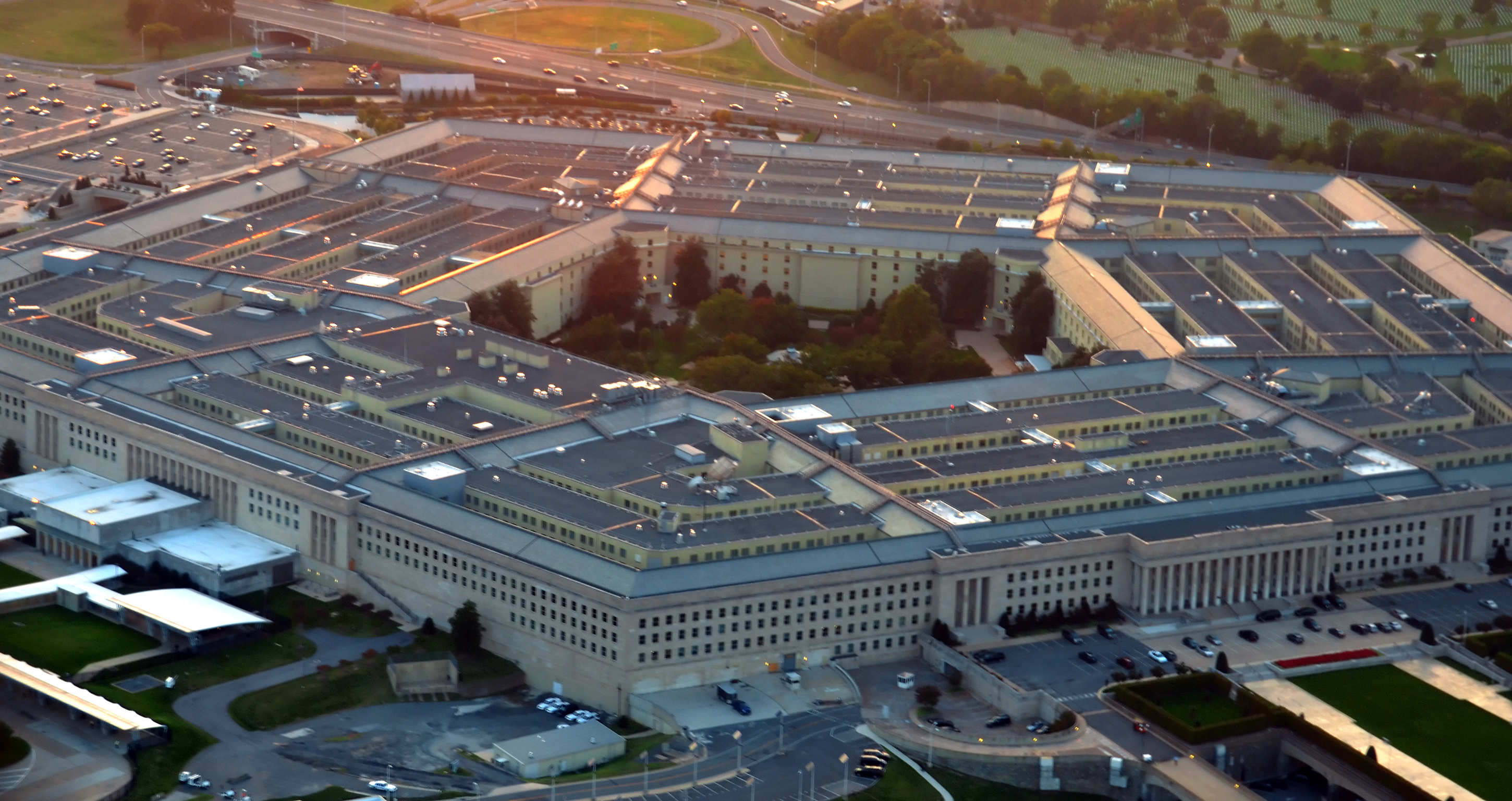
The strategy, outlined in the 2026 National Defense Strategy, shifts from attempting to manage a global system to a more surgical, peripheral logic. By applying concentrated pressure to exposed nodes like Venezuela and Iran, Washington aims to force internal failure within these regimes rather than engaging in costly, direct systemic war. The Venezuelan operation, culminating in the removal of Nicolás Maduro, serves as a blueprint: prolonged economic isolation followed by a swift application of force to negate a strategic base.
This method hinges on burden-shifting. As the United States concentrates resources on the Indo-Pacific, it demands that allies in Europe and the Middle East assume primary responsibility for their own security. This 'invoicing' of security guarantees is not merely transactional; it is the structural requirement that frees up American capacity for sequential operations. However, the strategy faces a critical vulnerability: the same pressure that dissolves current adversarial networks may inadvertently accelerate the formation of the next, more resilient iteration. While the destructive phase of this reorganisation is proceeding with coherence, the constructive phase—the creation of new frameworks to absorb future friction—remains largely absent, leaving a global order defined by what has been removed rather than what has been built.



Comments (0)
No comments yet. Be the first!