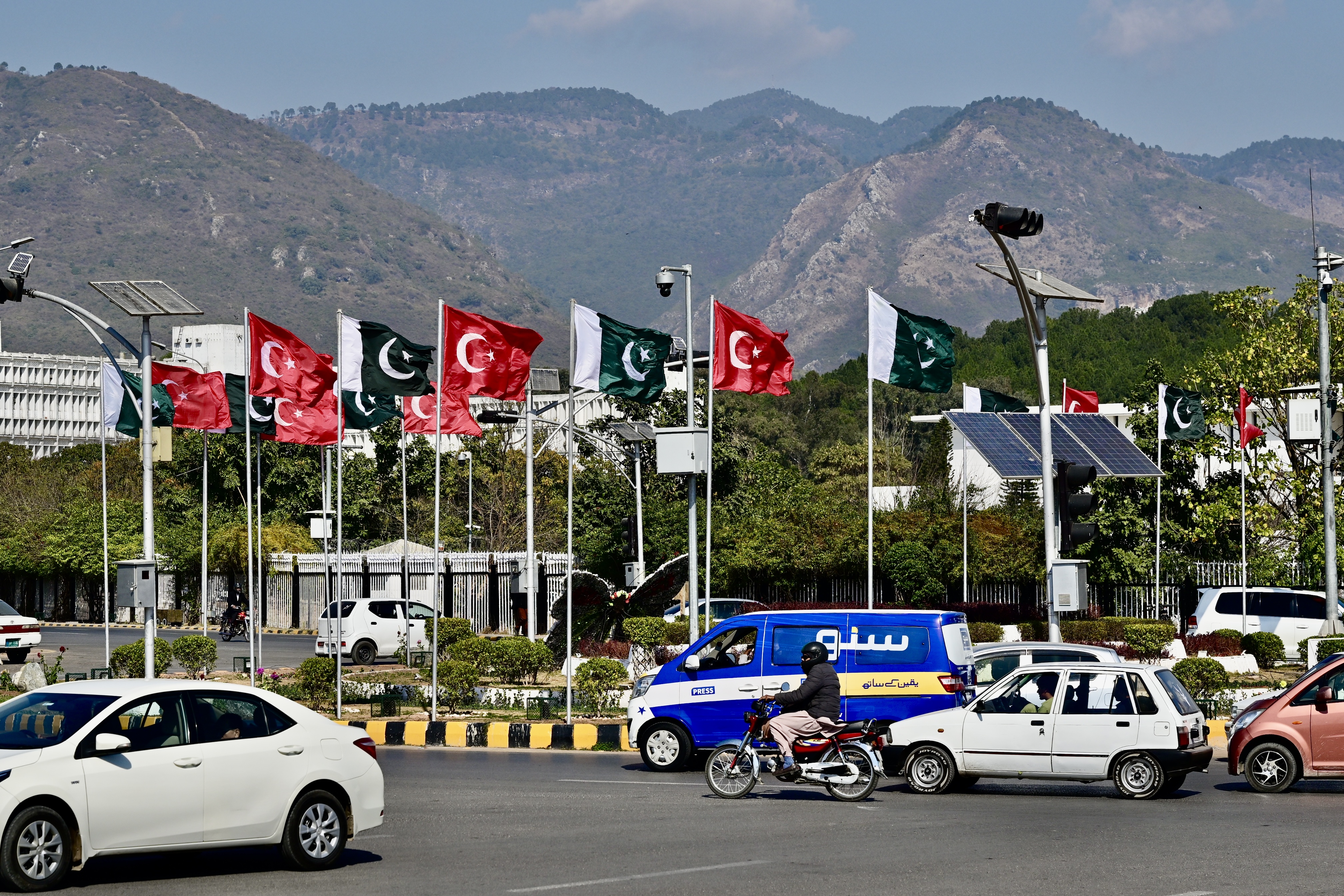
The pact formalizes an existing alignment that began in September 2025, when Islamabad offered to place its nuclear capability at the disposal of Riyadh. By folding Turkey into this arrangement, the new trilateral agreement creates a security bloc that leverages Pakistan’s 170 warheads alongside the logistical and financial influence of its partners. This shift occurs against the backdrop of a prolonged conflict sparked by the February 28th strikes on Iran’s supreme leader and the subsequent closure of the Strait of Hormuz.
While the signatories avoid explicit nuclear terminology, the strategic implication for Tehran is clear. Islamabad’s willingness to offer extended deterrence—a move unprecedented for a state outside the Non-Proliferation Treaty—redefines the local balance of power. With Iranian forces maintaining their pressure on shipping lanes, the pact serves as a silent ultimatum. The three nations have yet to clarify the specific triggers for a military response, but the alignment effectively inserts Pakistan's delivery systems into the Gulf's volatile security architecture, altering the risks Iran must calculate before further escalation.


Comments (0)
No comments yet. Be the first!