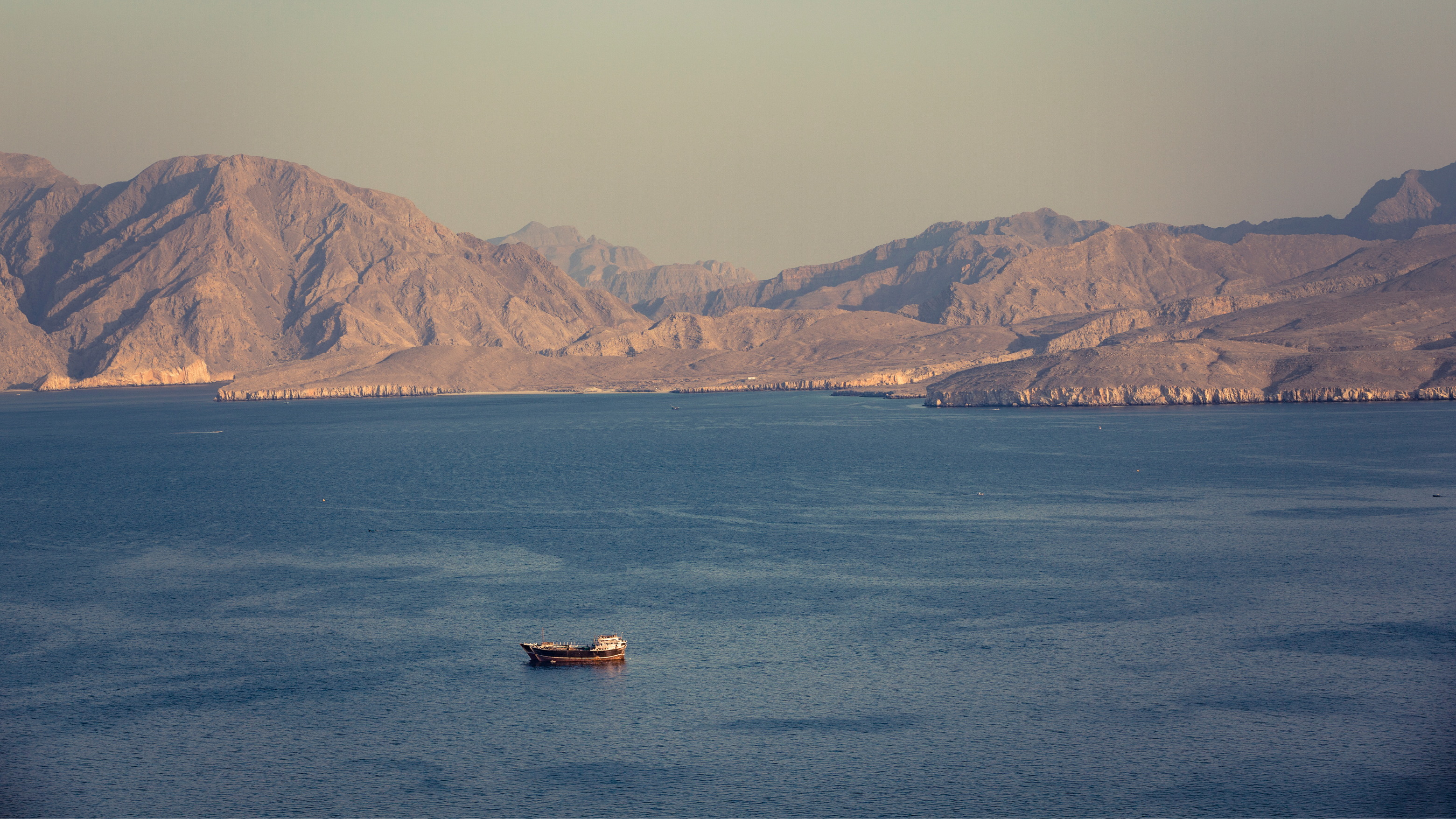
The current blockade traces its origins to the February 28 strikes conducted by U.S. and Israeli forces against Iranian targets. Tehran responded by restricting passage through the waterway, a move that disrupted global energy supply chains and forced a re-evaluation of maritime security in the Persian Gulf. Although a temporary ceasefire provided a momentary reprieve in June, the underlying hostility between the two nations shows no signs of dissipating.
Tehran now demands a fundamental restructuring of regional security, explicitly conditioning the reopening of the strait on the removal of U.S. military influence. By tethering the flow of global crude to these political concessions, Iran has transformed a strategic waterway into a primary lever of diplomatic pressure, leaving international oil markets braced for further volatility.


Comments (0)
No comments yet. Be the first!