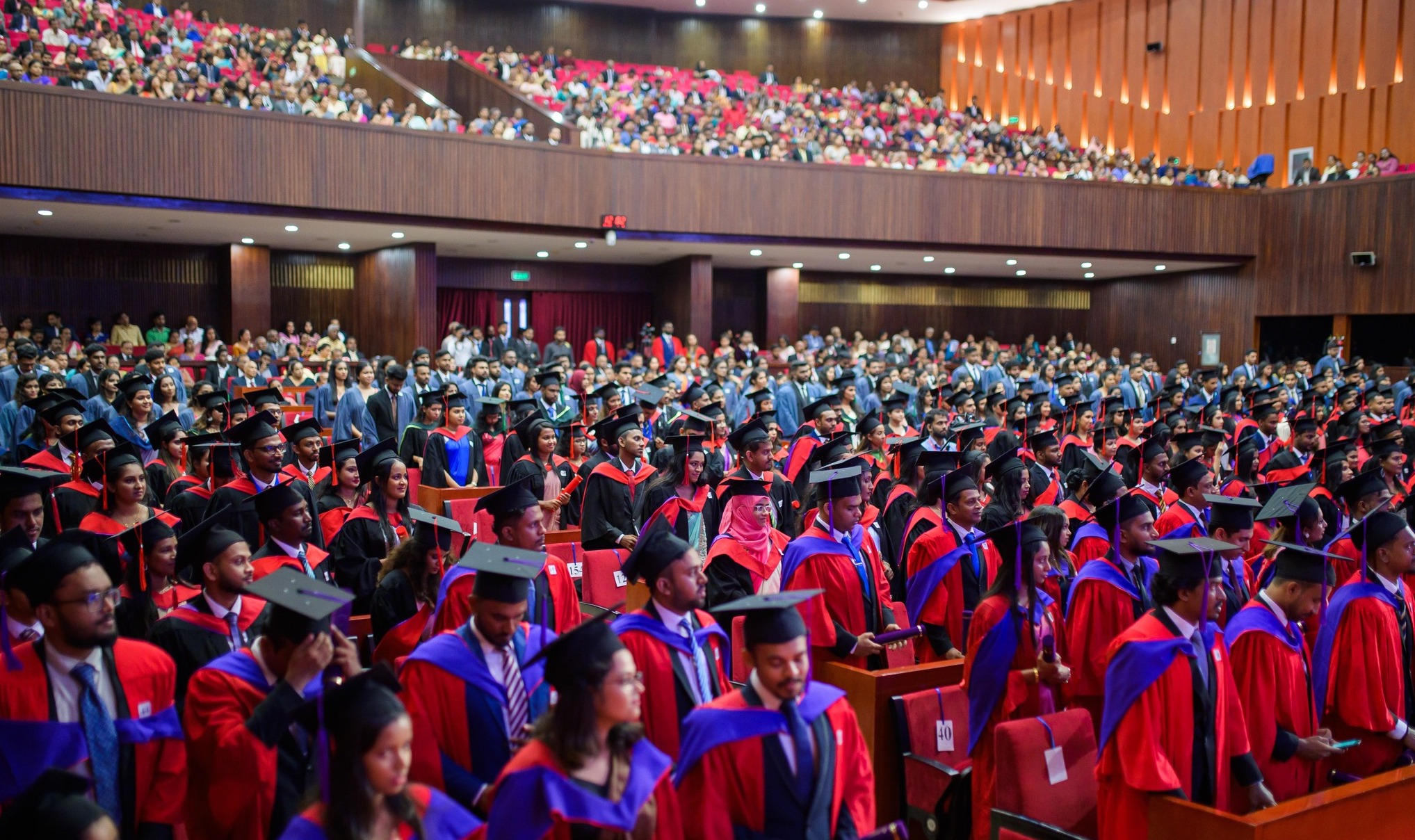
The numbers present a daunting reality for young professionals like University of Colombo graduate Batya Peters. Projections indicate that nearly one million young people will enter the formal workforce in the coming years, yet the economy is currently on track to generate only 300,000 formal roles. This structural deficit forces many into the informal sector, where stable incomes and social protections are frequently absent.
Employers consistently report a shortage of candidates with specific digital and soft skills, even as universities churn out up to 30,000 graduates annually. The disconnect is most acute for women, who constitute over 60 percent of university graduates but account for only one-third of the labor force participation—one of the lowest rates in South Asia.
Bridging this divide requires shifting beyond mere enrollment numbers. Initiatives like the World Bank-supported AHEAD program have increased STEM participation by over 60 percent, yet systemic success depends on deeper integration between academia and industry. Without internships and curricula aligned with the needs of sectors like technology, manufacturing, and logistics, the nation risks losing its most educated workers to emigration. For those like Peters, the goal is simple: securing work that honors their academic investment and offers a genuine path toward financial independence.




Comments (0)
No comments yet. Be the first!