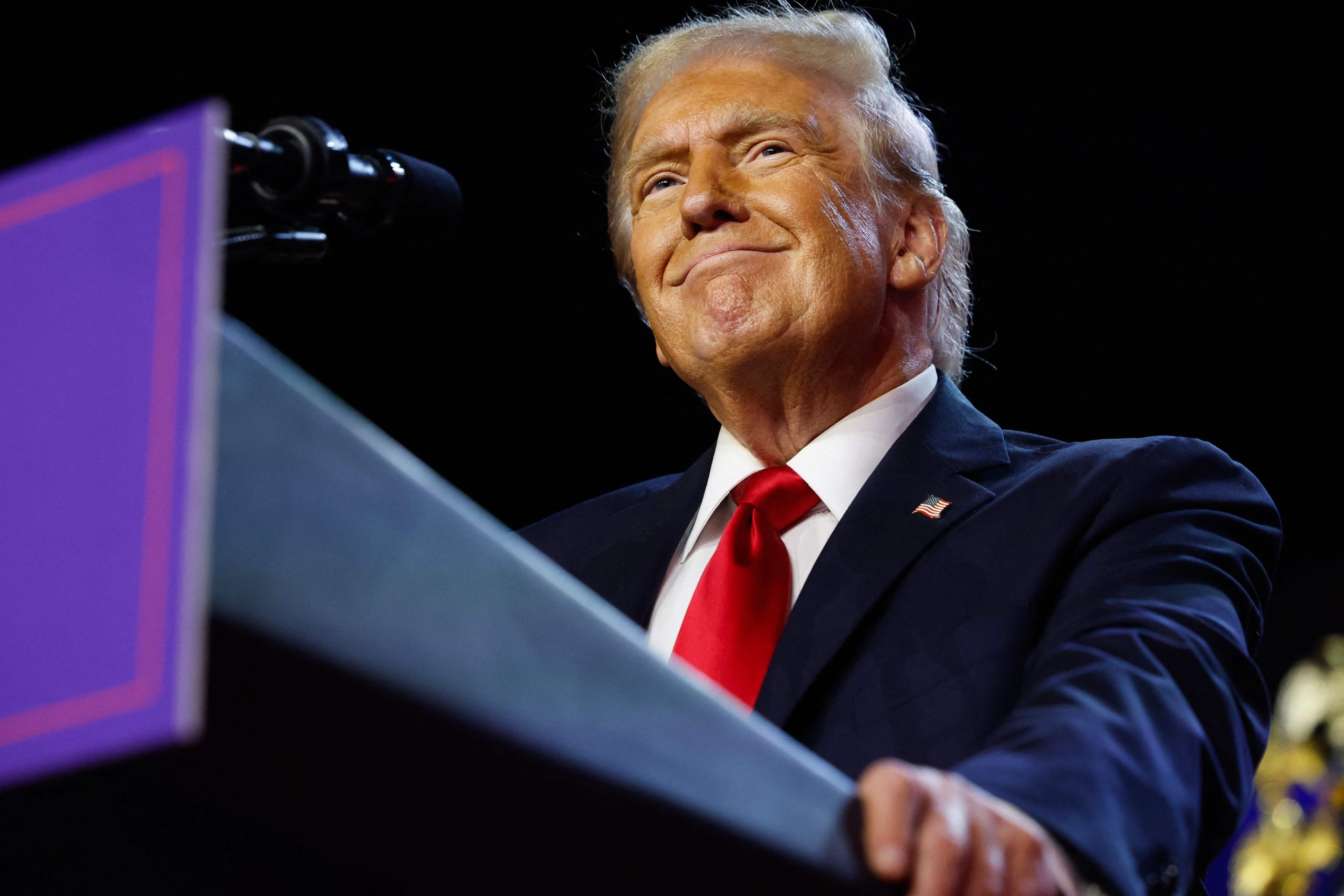
The July 8 incident involved a high-stakes swap while the presidential aircraft sat on the tarmac. As cameras captured the president boarding, security teams used hydraulic lifts and cargo containers to facilitate his exit to a separate, smaller Air Force jet. Meanwhile, over a dozen journalists remained on the original flight, unaware they were flying through a zone of heightened risk without the protection of the president’s presence.
White House reporters, who were ordered to keep window shades lowered during takeoff, expressed frustration at being used as unwitting shields. One reporter noted that while covering the presidency inherently involves risk, it should not extend to serving as a human decoy for the commander-in-chief. Communications director Steven Cheung defended the move, stating the administration uses every available tool to counter those with sights set on the president.
This departure from protocol follows earlier controversy surrounding the president’s use of a luxury Boeing 747 gifted by Qatar, which lacked standard anti-missile systems. While decoy tactics have historical precedent—notably during Bill Clinton's 2000 trip from India to Pakistan—the lack of transparency regarding the Turkey transit has left the press pool questioning the limits of their role in presidential security.


Comments (0)
No comments yet. Be the first!