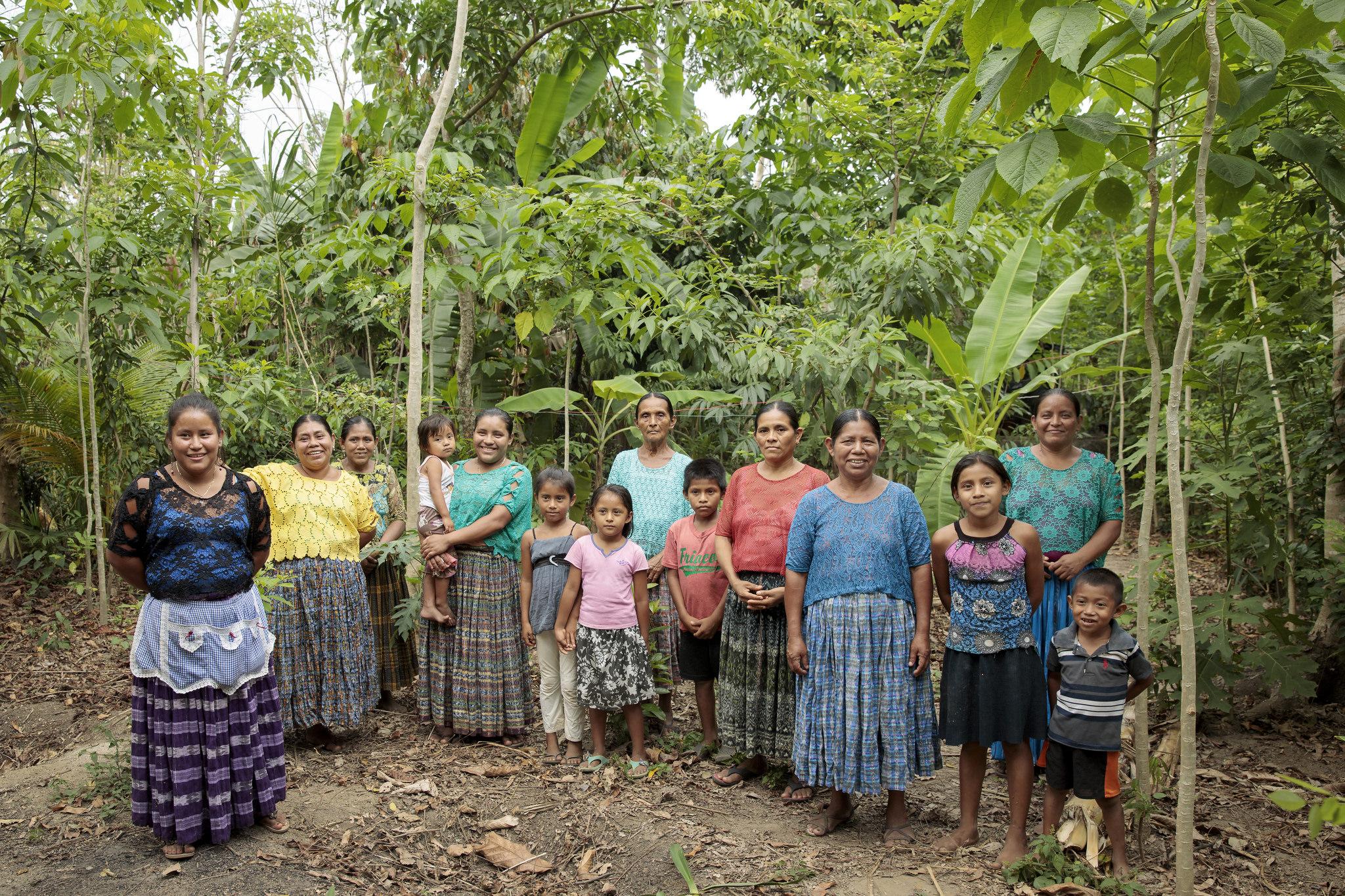
Guatemala provides a blueprint for this integration through its National Policy of Midwives. Since 2015, the state has formally registered nearly 19,500 comadronas, granting them official identification and annual incentives. This shift has moved traditional caregivers from the margins into the national health framework, facilitating care in Indigenous languages and ensuring cultural practices remain central to the birthing process. Evidence suggests this approach yields life-saving results; in the Lake Atitlán region, targeted training and resource support helped drive maternal mortality rates down from 18 to three.
Similar community-based strategies are gaining momentum globally. From Panama’s standardized training manuals to India’s efforts to reserve nursing slots for tribal women in Karnataka, governments are increasingly prioritizing local trust over top-down directives. By training thousands of facilitators in Lao PDR and beyond, these programs prove that formal health systems become more effective when they stop competing with traditional knowledge and start investing in it. This inclusion not only improves medical outcomes for mothers and newborns but also provides professional recognition for women whose essential leadership has historically gone overlooked.




Comments (0)
No comments yet. Be the first!