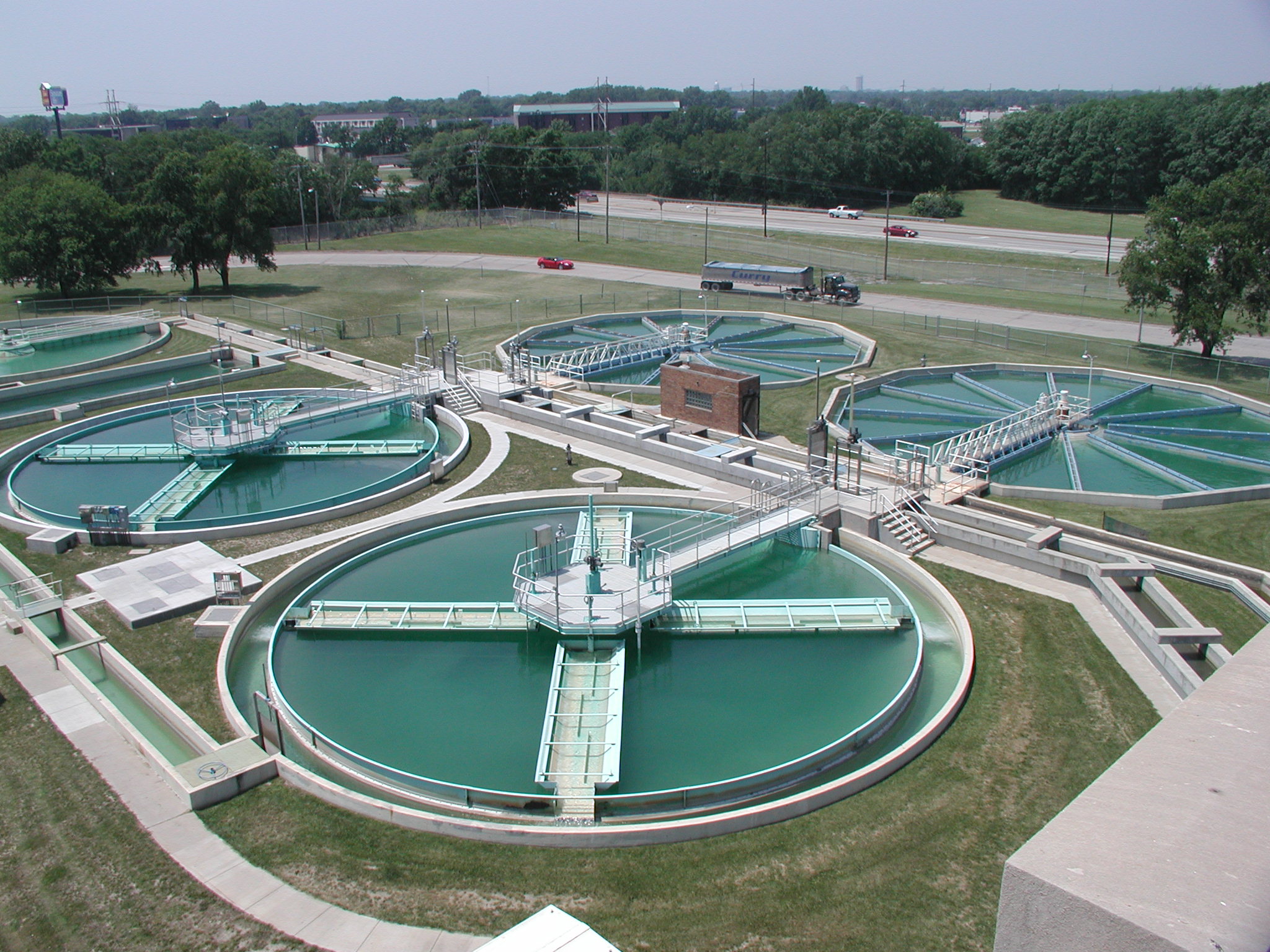
The incidents, which first gained national attention following a major breach in Minnesota, involve attackers targeting internet-facing programmable logic controllers. These devices manage vital functions such as chemical dosing and water pressure. By exploiting unpatched vulnerabilities or weak passwords, hackers gain remote access to control dashboards that are often left directly exposed to the web. Security experts note that these intrusions do not yet appear to have compromised the safety of the water supply, though they have forced local facilities to resort to manual overrides and issue precautionary boil-water advisories.
Federal investigators are currently evaluating whether the attacks originate from Iranian actors, a theory that remains unverified amid conflicting political rhetoric. Beyond the immediate technical damage, security analysts warn that the primary impact is psychological, aimed at eroding public confidence in government-provided utilities. To mitigate future risks, the Cybersecurity and Infrastructure Security Agency is pushing for a total decoupling of operational networks from the public internet. Recommended safeguards include the implementation of multi-factor authentication, the use of secure VPN gateways, and the strict isolation of industrial control systems from standard business email environments.




Comments (0)
No comments yet. Be the first!