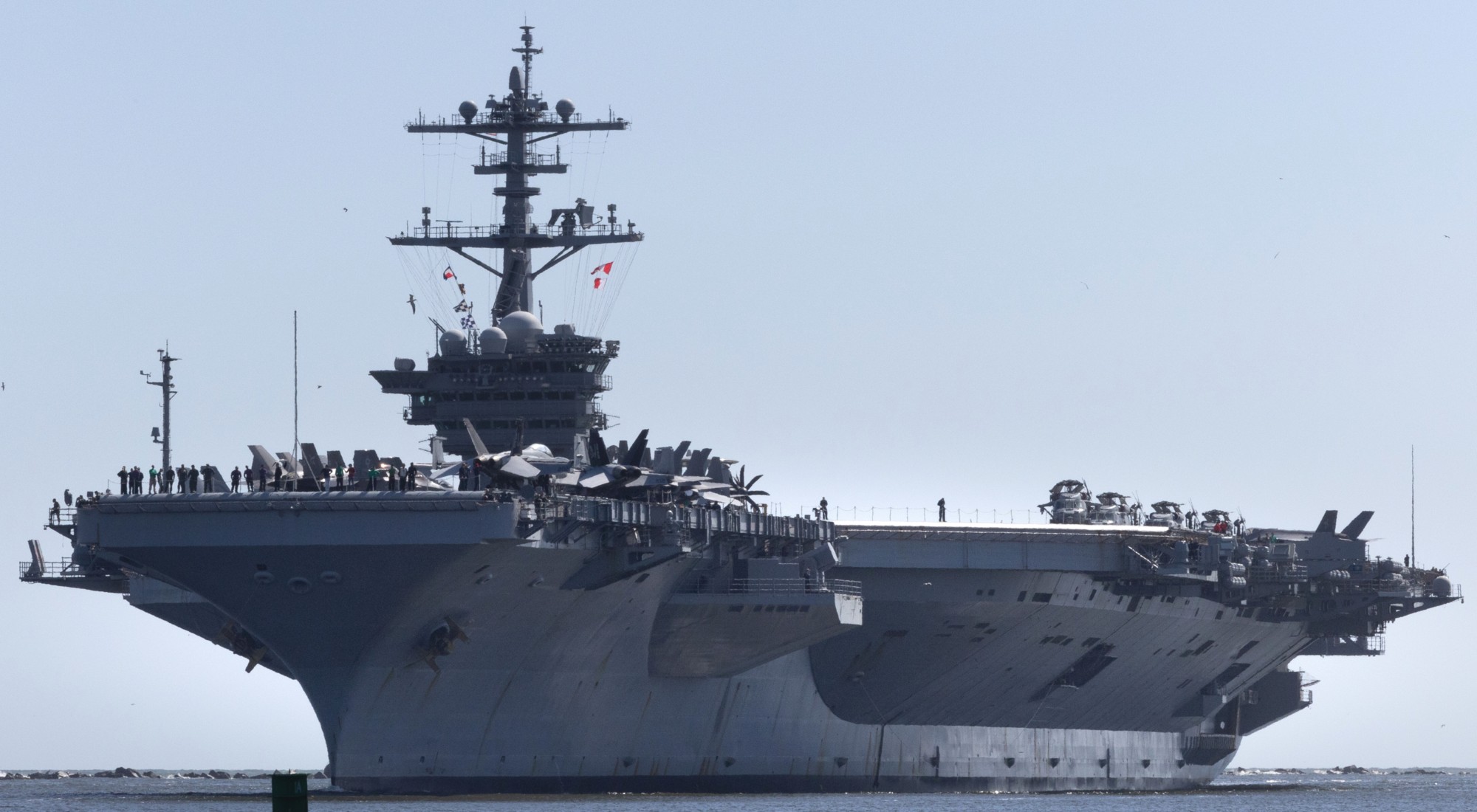
This sequence was far from coincidental. It served as a deliberate performance of Vietnam’s "Four No’s" policy—a doctrine that explicitly rejects military alliances and foreign bases while maintaining comprehensive partnerships with all major global powers. By utilizing specific ports that carry historical weight, Hanoi signaled that its relationships are built on distinct, long-standing foundations rather than shifting geopolitical alliances. The reception of Russian vessels at Cam Ranh honored a bond dating back to the Soviet era, while the U.S. carrier visit to Da Nang underscored the rapid reconciliation between two former adversaries.
Maintaining this equilibrium is becoming increasingly difficult as great-power competition intensifies. Vietnam faces the constant challenge of ensuring its neutrality is not misinterpreted by Washington or Beijing, both of which seek deeper commitments. To mitigate these risks, Hanoi is actively expanding its network of middle-power relationships, including defense cooperation with India and emerging ties with Canada. This strategy aims to dilute the significance of any single partnership, effectively insulating the country from the binary pressures of modern geopolitics. The recent diplomatic conferences in Hanoi suggest that this institutionalized routine will remain the country's primary tool for securing a stable environment for its export-driven economy.



Comments (0)
No comments yet. Be the first!