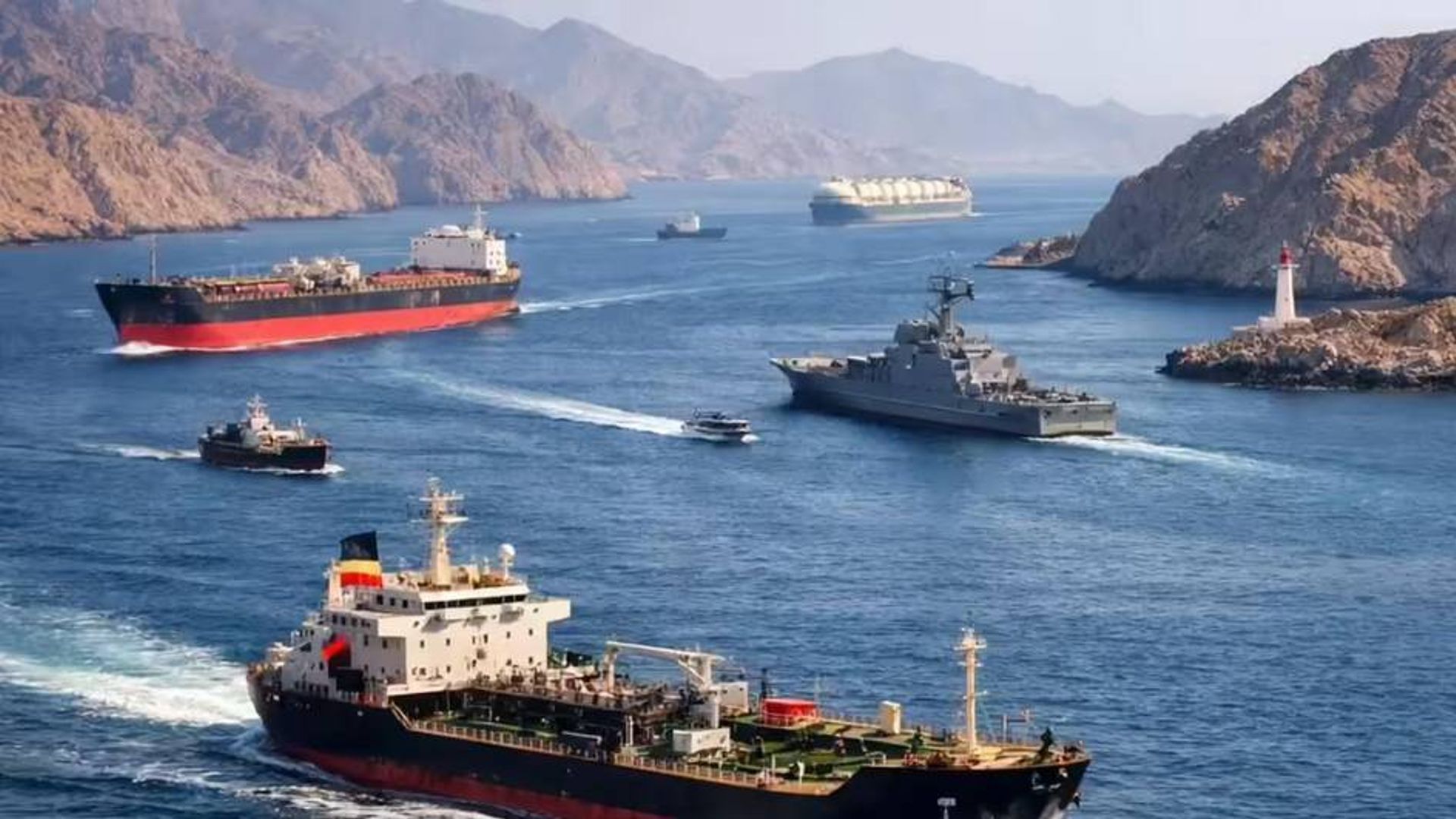
The proposal, which would allow Iran to intervene in inbound traffic while requiring exit clearance via Oman, seeks to impose transit fees ranging from 3% to 7% of cargo value. Shipping associations have condemned the plan as a toll in all but name, arguing it undermines the 1968 UN-backed traffic separation scheme that ensures free, non-discriminatory navigation. The International Maritime Organization has maintained that passage through these waters must remain unimpeded, yet the diplomatic friction persists.
Financial obstacles remain the primary barrier to implementation. The U.S. Treasury has explicitly prohibited U.S. entities from engaging with the Persian Gulf Strait Authority, Iran's newly established body for waterway operations. Furthermore, the Lloyd’s Market Association introduced a specific clause in July that terminates war risk insurance for any vessel that pays a transit fee or toll in the region. This creates a functional catch-22: shipowners who comply with Iranian demands risk losing their essential insurance coverage, while those who refuse face potential interference from Tehran.



Comments (0)
No comments yet. Be the first!