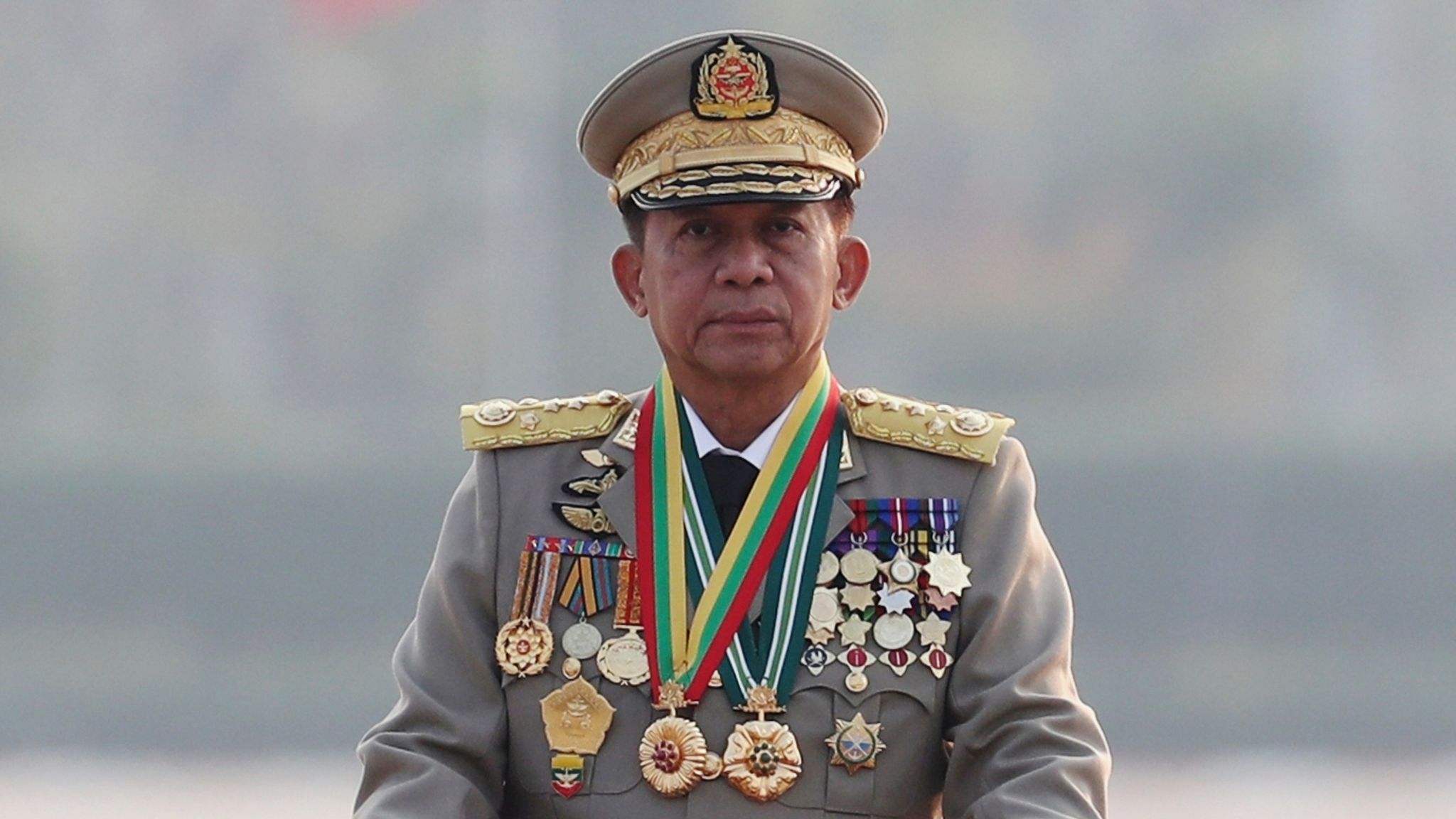
Prime Minister Anutin Charnvirakul hosted the military leader at Government House for discussions centered on economic integration and regional peace frameworks. While the meeting underscores a pragmatic shift toward engagement, it sharply contrasts with the broader international stance. Western governments continue to maintain heavy sanctions against Myanmar’s leadership following the 2021 coup, and ASEAN remains deeply frustrated by the junta’s failure to implement the Five Point Consensus.
Economic cooperation formed the core of the agenda, with both sides targeting 12 billion dollars in annual bilateral trade. Min Aung Hlaing specifically touted the resuscitation of the long-delayed Dawei Special Economic Zone, a deep-sea port project intended to link the Indian Ocean to mainland Southeast Asia. Despite the optimism shown at the business summit, human rights groups have condemned the outreach, warning that such high-level diplomatic normalization risks providing legitimacy to a regime accused of widespread violence against its own civilian population.
Thai officials maintain that their strategy is not a departure from regional protocols but an attempt to bring Naypyitaw back into the fold through consistent dialogue. However, as the conflict persists and ASEAN’s special envoy describes normalization as a distant prospect, Bangkok’s balancing act remains precarious. The visit serves as a test of whether limited, top-down engagement can produce tangible concessions or if it merely provides a veneer of stability to a government still isolated by its own internal policies.


Comments (0)
No comments yet. Be the first!