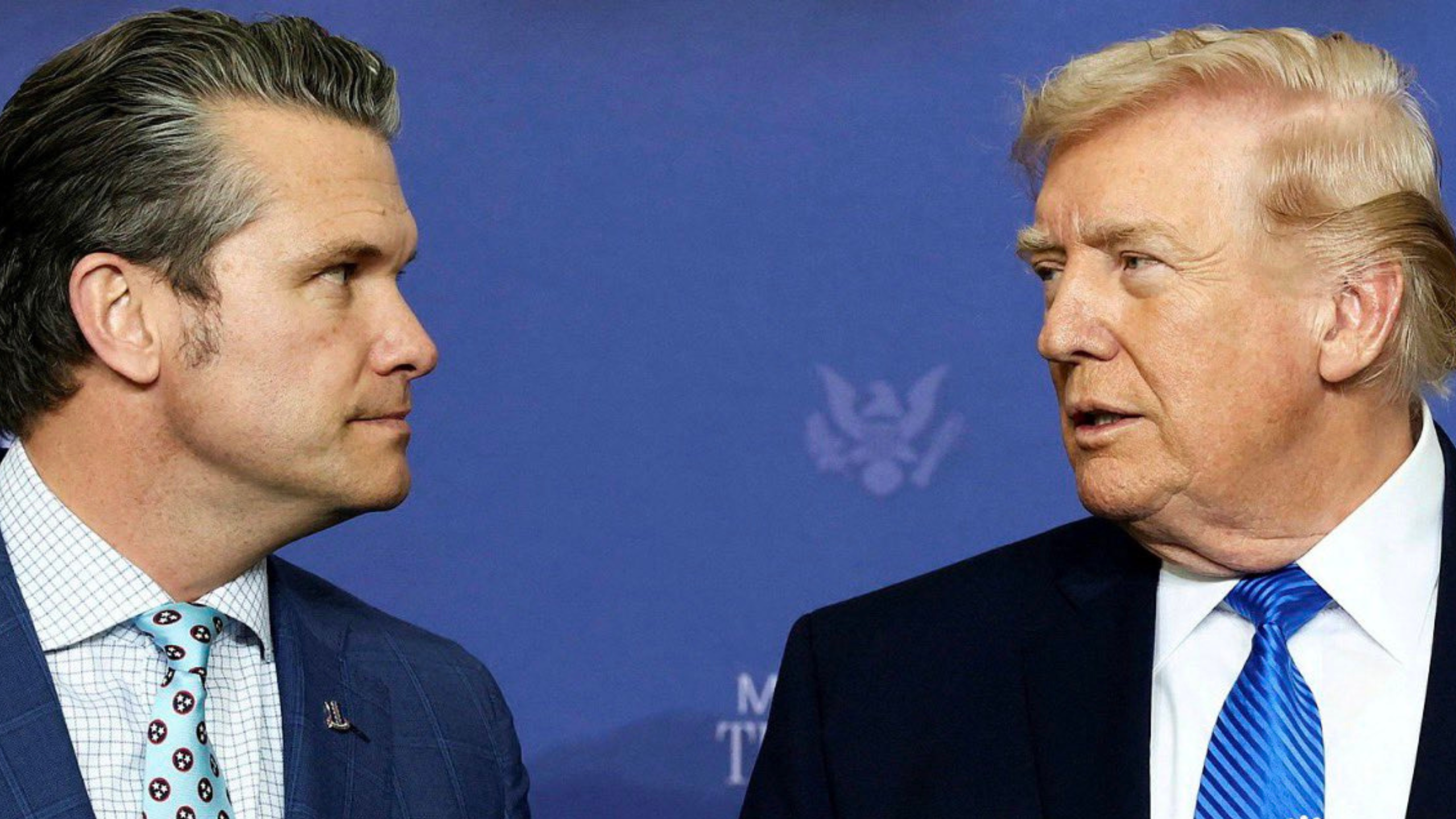
The allegations, initially reported by The Washington Post, suggested Trump interrogated Hegseth regarding critical shortfalls in air defense interceptors and long-range guided missiles. According to these claims, the President expressed frustration over persistent shortages he believed were resolved, while Hegseth purportedly attempted to shift responsibility toward Deputy Secretary of War Steve Feinberg. Pentagon spokesperson Sean Parnell categorized these accounts as fictional, asserting that no such deception or scapegoating occurred during the administration's internal reviews.
Behind the scenes, the military is navigating complex supply constraints in West Asia following heavy deployments of cruise and ballistic missiles. These inventory pressures have reportedly shaped foreign policy, influencing a shift toward diplomatic engagement with Tehran rather than further military strikes. Beyond the regional tensions, the department is grappling with the broader logistical challenge of supporting allies like Ukraine while maintaining domestic readiness. To address these gaps, Hegseth and General Dan Caine are pushing for a 67 billion dollar emergency appropriation as part of a proposed 1.5 trillion dollar defense budget currently before Congress.


Comments (0)
No comments yet. Be the first!