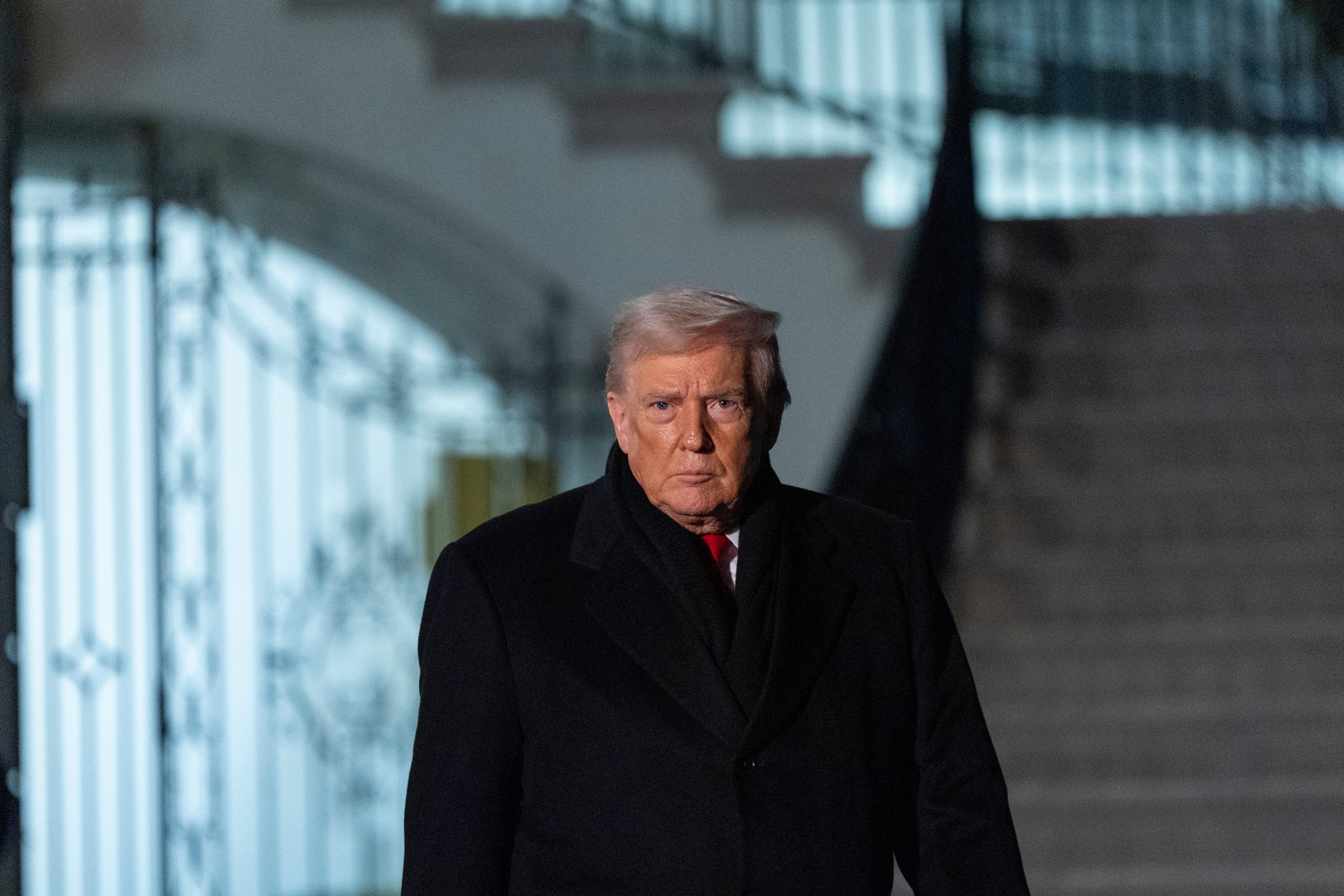
The findings arrive as President Donald Trump navigates growing uncertainty surrounding the conflict, which he initially promised would yield a swift victory. Five months into the campaign, the economic toll is becoming increasingly visible to the public: 58% of respondents expect gasoline prices to climb further, driven by disruptions at the Strait of Hormuz. The war, launched alongside Israel in late February, has already claimed the lives of 18 U.S. service members and cost taxpayers at least $37.5 billion.
Political support for the administration’s strategy remains fragile. While 66% of Republicans approve of Trump’s handling of Iran, only 41% believe the conflict will ultimately improve regional stability. For the first time since December 2024, registered voters now prefer the Democratic Party’s approach to war and terrorism, with Democrats leading Republicans 37% to 36%. Justin Logan of the Cato Institute suggests the administration’s stated goals—such as dismantling Iran’s missile program—clash with a desire to minimize casualties and political fallout, creating a perception of strategic incoherence.
Public anxiety extends beyond the Middle East, with 58% of those surveyed fearing the war in Ukraine will escalate, and over half expressing concern over potential Chinese military action regarding Taiwan. David Schenker, a former State Department official, maintains that while the military degradation of Iran’s proxy network is significant, the long-term economic and regional consequences remain difficult to forecast.


Comments (0)
No comments yet. Be the first!