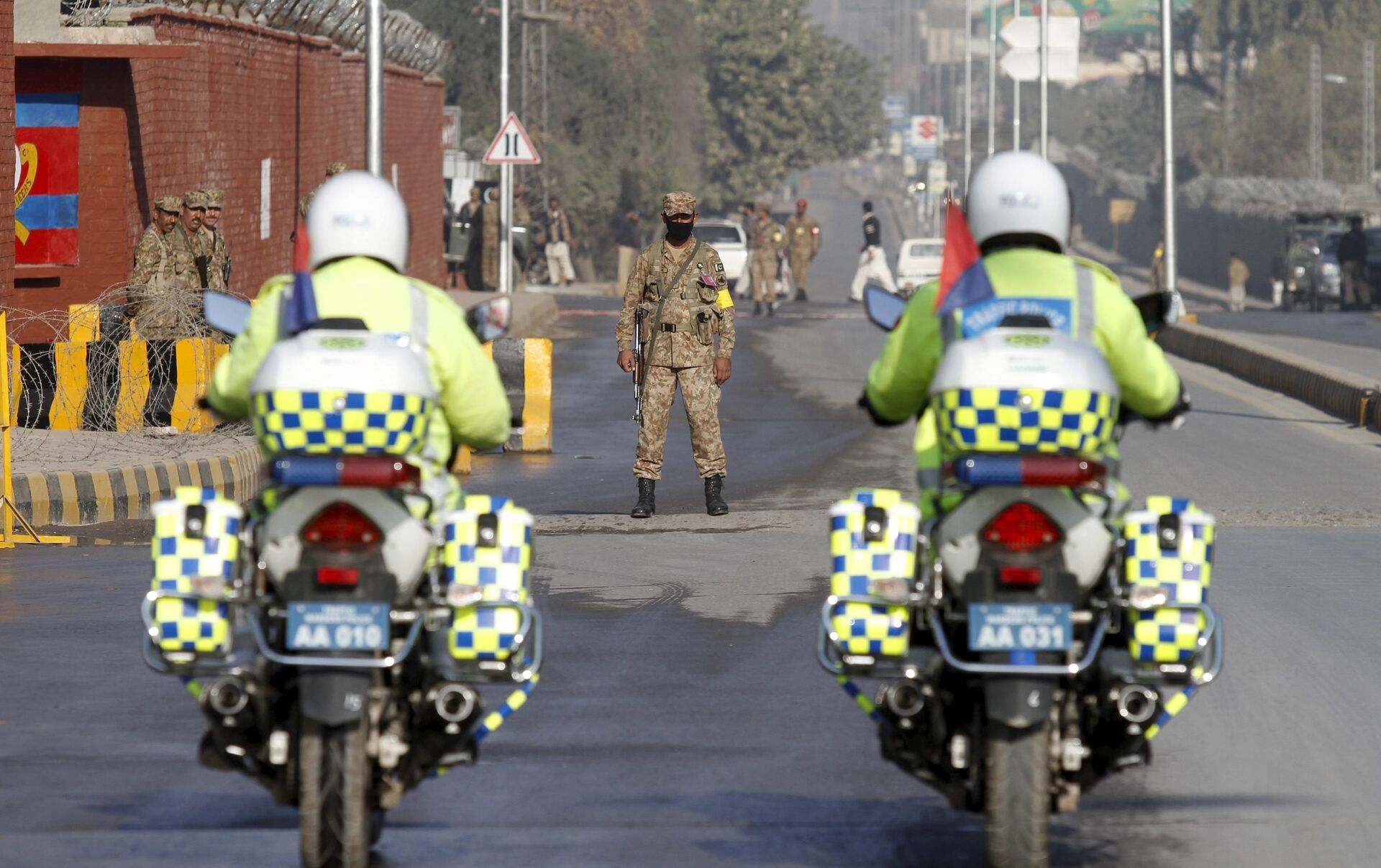
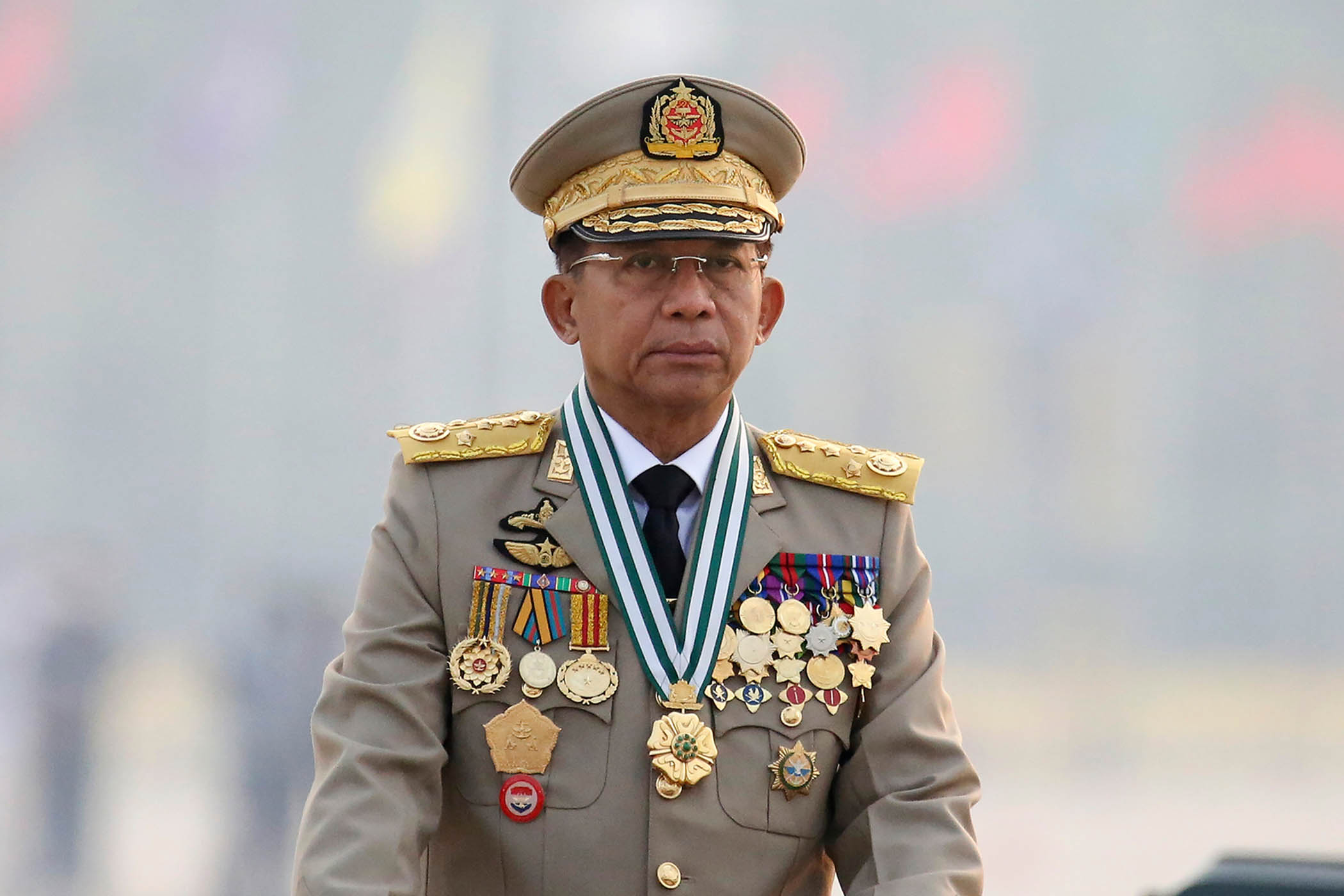
The absence of organized instigators reflects a sweeping, military-led crackdown overseen by army chief Field Marshal Asim Munir. This campaign has slashed registered blasphemy cases by roughly two-thirds this year, dropping to just 13 incidents according to the Human Rights Commission of Pakistan. For decades, the military establishment utilized these hardline groups to pressure civilian governments and manage geopolitical tensions. Now, under Munir, the state is reversing course, driven by a strategic imperative to integrate Pakistan’s economy with the West and secure essential trade ties with the European Union.
Internal government documents reveal that authorities began viewing groups like the Tehreek-e-Labbaik Pakistan (TLP) as a direct threat to national stability and international reputation. The TLP, once a potent force in Pakistani politics, now faces banned status, frozen assets, and imprisoned leadership. This shift is also fueled by the government’s deteriorating relationship with the Afghan Taliban, which has prompted a broader reassessment of the risks posed by radicalization. While minorities remain wary of whether this newfound protection will endure, the immediate reality for many is a rare reprieve from the cycle of lynchings and mob violence that has defined recent years.



Comments (0)
No comments yet. Be the first!