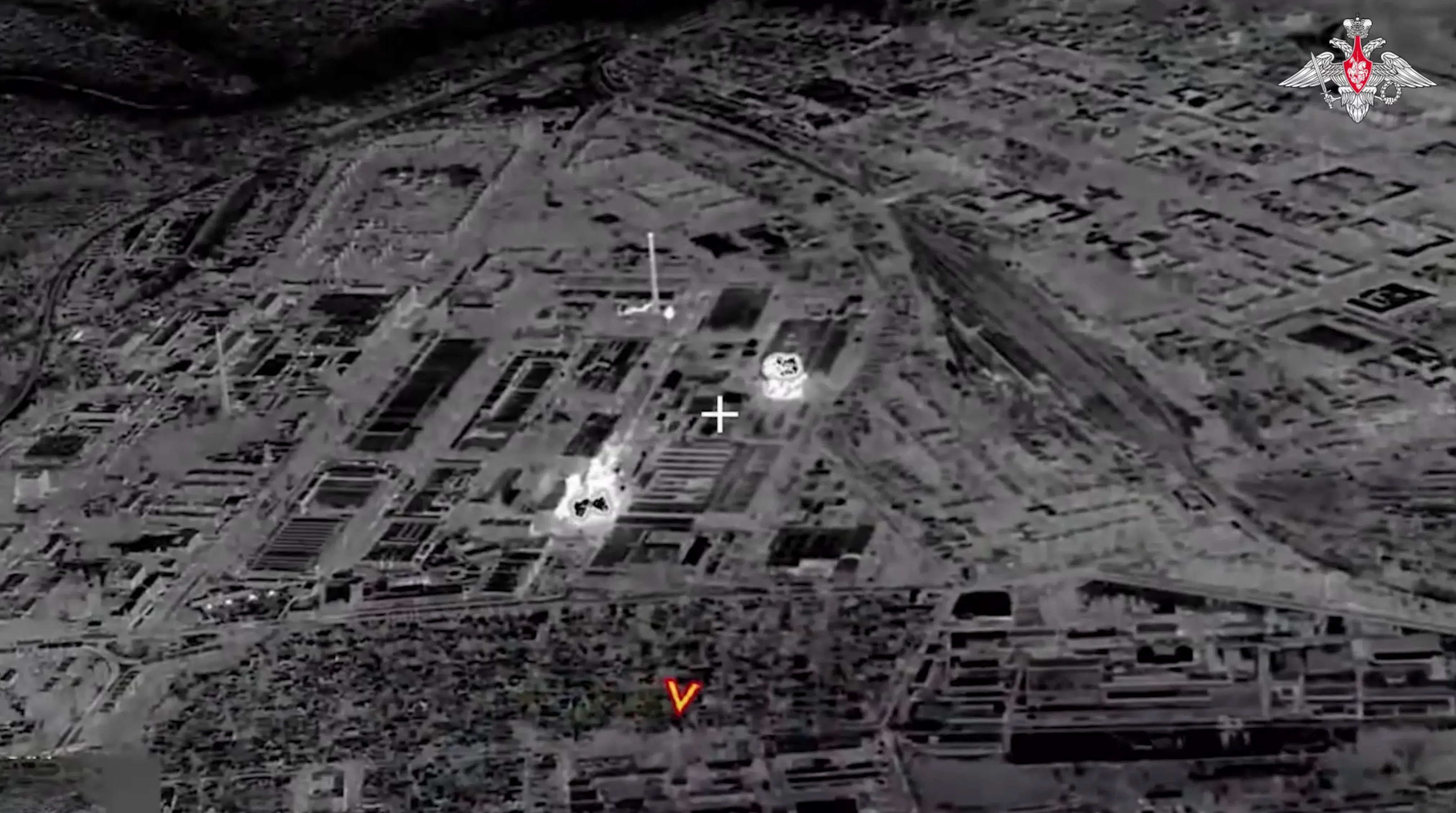
Residents have begun labeling the strikes “safari” attacks, echoing a pattern seen in Kherson where drones hunt moving targets far from the active frontline. These low-flying munitions now regularly target buses and private cars, forcing local authorities to install drone-detection monitors and protective netting across the southern Kosmos district. For business owners like Kateryna Lahuta, whose seafood facility was leveled by a glide bomb, the strikes have rendered standard operations impossible by compounding existing labor shortages and driving away customers.
Governor Ivan Fedorov asserts that the primary objective is psychological warfare rather than tactical military gain. With Russian ground forces unable to breach Ukrainian defensive lines south of the city, the Kremlin is leveraging inexpensive, high-precision weaponry to stretch Ukraine’s air defense resources and erode civilian morale. While schools have moved into underground shelters and families calibrate their lives around the midday and evening strike patterns, the city remains under severe pressure. This shift toward urban bombardment reflects a broader evolution in the conflict, where Moscow prioritizes the systematic disruption of daily life to compensate for its inability to secure significant territorial breakthroughs.




Comments (0)
No comments yet. Be the first!