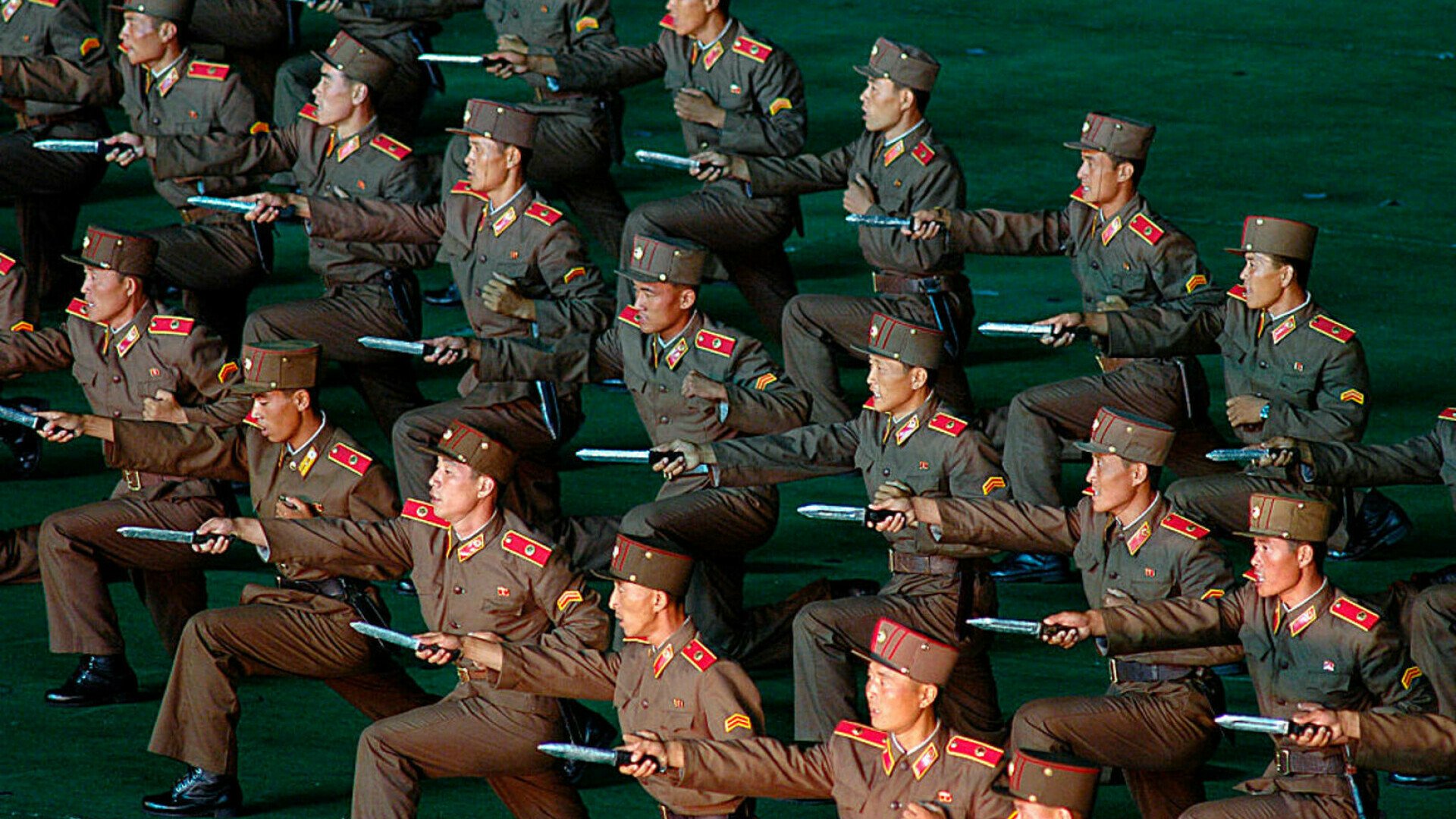
The new missile unit, consisting of approximately 90 personnel, is reportedly preparing to operate up to 120 ballistic missiles and six launchers. This deployment follows earlier assessments from Ukrainian, U.S., and South Korean intelligence, which tracked the arrival of 14,000 to 15,000 North Korean troops in the Kursk region. While these forces are currently positioned in rear areas, their presence underscores a sustained commitment from leader Kim Jong Un to the conflict.
Beyond frontline infantry, military cooperation extends to technical and logistical support. Russian Security Council Secretary Sergei Shoigu previously outlined plans for 6,000 North Korean sappers and construction workers to assist with mine clearance and infrastructure reconstruction. Concurrently, Pyongyang has become a primary supplier of munitions, with Ukrainian intelligence estimating the delivery of 4 million artillery shells and nearly 150 KN-23 and KN-24 ballistic missiles since mid-2023. Cargo analysis indicates that four Russian-flagged ships completed 64 voyages between the port of Rajin and Russia to sustain this flow of equipment.
This strategic partnership, formalized by a mutual assistance treaty in 2024, provides Pyongyang with a rare opportunity to test its weapons in real-world combat while gaining access to Russian military technology and essential economic resources. The deepening alliance has drawn sharp condemnation from the United States and NATO, as international observers warn that the transfers directly violate long-standing U.N. Security Council sanctions. Despite these warnings, the integration of North Korean personnel and hardware continues, fundamentally altering the logistics of the front lines.


Comments (0)
No comments yet. Be the first!