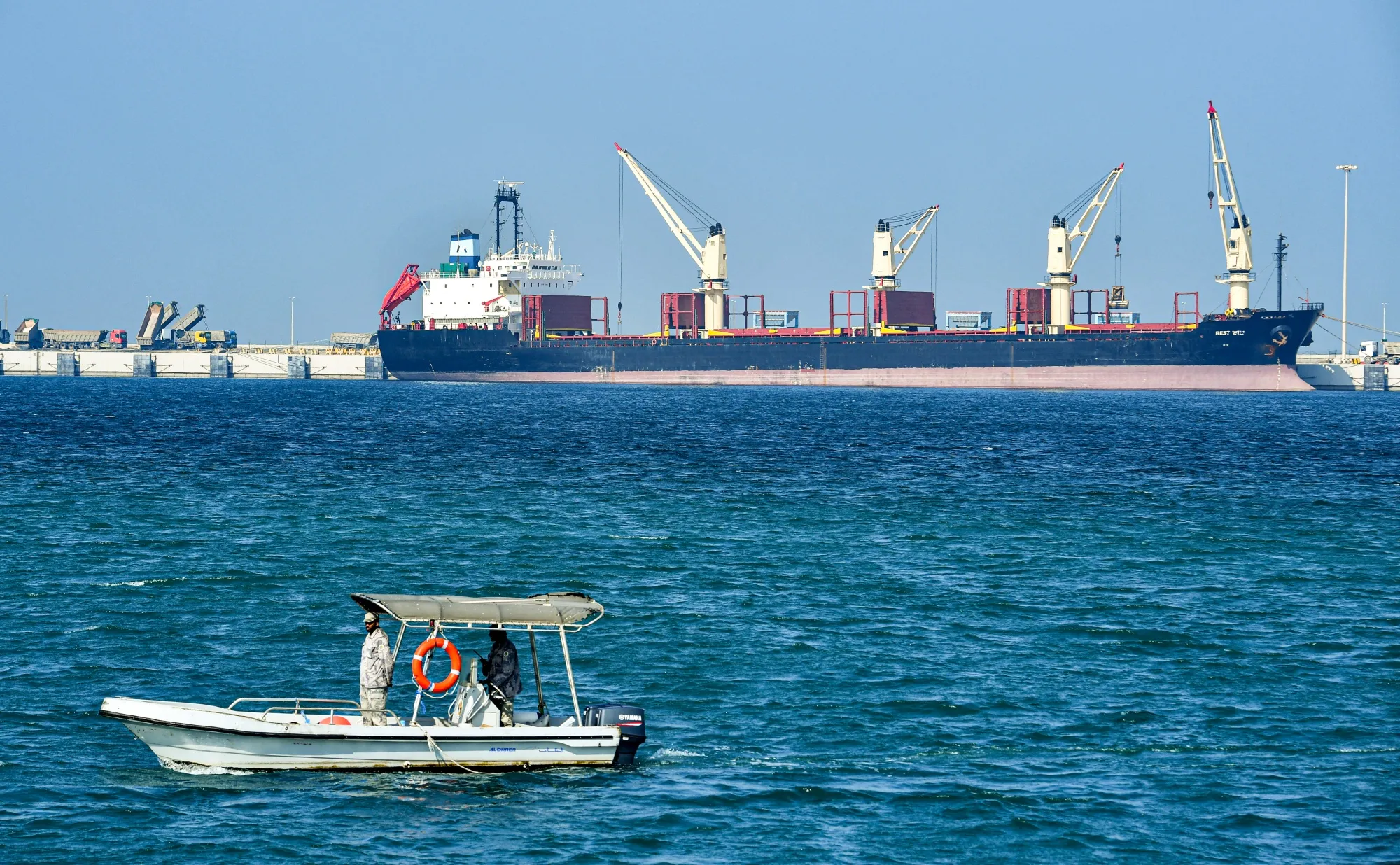
Data from Kpler reveals the extent of the maritime freeze: only two ships moved through the Strait of Hormuz, compared to eight the previous day and a pre-conflict average of 140. The Bab el Mandeb route saw an even steeper decline, with a single Bahamas-flagged vessel transiting the passage where twenty typically pass daily. These figures underscore a broader trend where the mere threat of violence proves as disruptive to global logistics as actual kinetic damage.
The Houthis allege they targeted two Saudi tankers near the Red Sea port of Yanbu and the Gulf of Aden, citing a campaign against Riyadh’s ongoing blockade of Yemen. While Saudi authorities have neither confirmed the strikes nor acknowledged the specific incidents, the market reaction is immediate. Insurance premiums and security concerns are effectively rerouting global trade away from the region.
This collapse transforms maritime security into a primary theater of the Middle East conflict. As shipping companies prioritize safety over speed, the resulting capacity crunch threatens to inject fresh volatility into energy markets. International naval forces now face the difficult task of restoring confidence in lanes that have become synonymous with high-risk, uninsurable transit.




Comments (0)
No comments yet. Be the first!