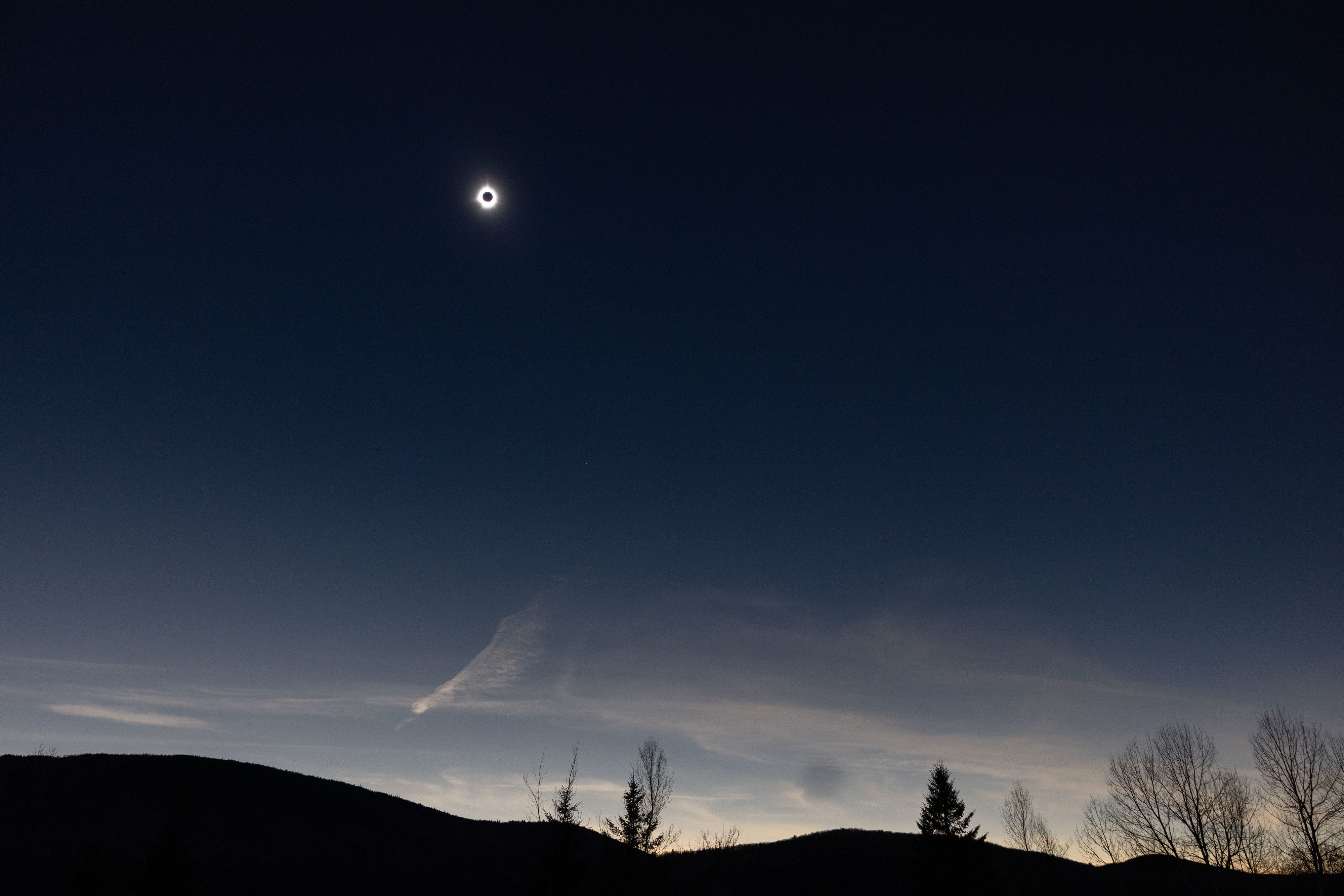
The path of totality offers a rare glimpse of the Sun’s corona, visible only when the Moon fully obscures the solar disk. During these fleeting minutes, observers may briefly remove protective eyewear, but NASA mandates the use of ISO 12312-2 compliant glasses for all partial phases. Before use, viewers must inspect their equipment for scratches or punctures; any compromised gear should be discarded immediately.
Observers should avoid looking at the Sun through unfiltered camera lenses, binoculars, or telescopes, as concentrated light can bypass protective filters and cause severe ocular injury. For those without specialized glasses, indirect methods such as pinhole projection remain the safest alternative. Because the eclipse occurs while the Sun is below the horizon in India, the event will not be visible there. Outside of the path of totality, participants should remain vigilant, using sunscreen and protective clothing during the extended partial phases to prevent skin damage from prolonged direct exposure.




Comments (0)
No comments yet. Be the first!