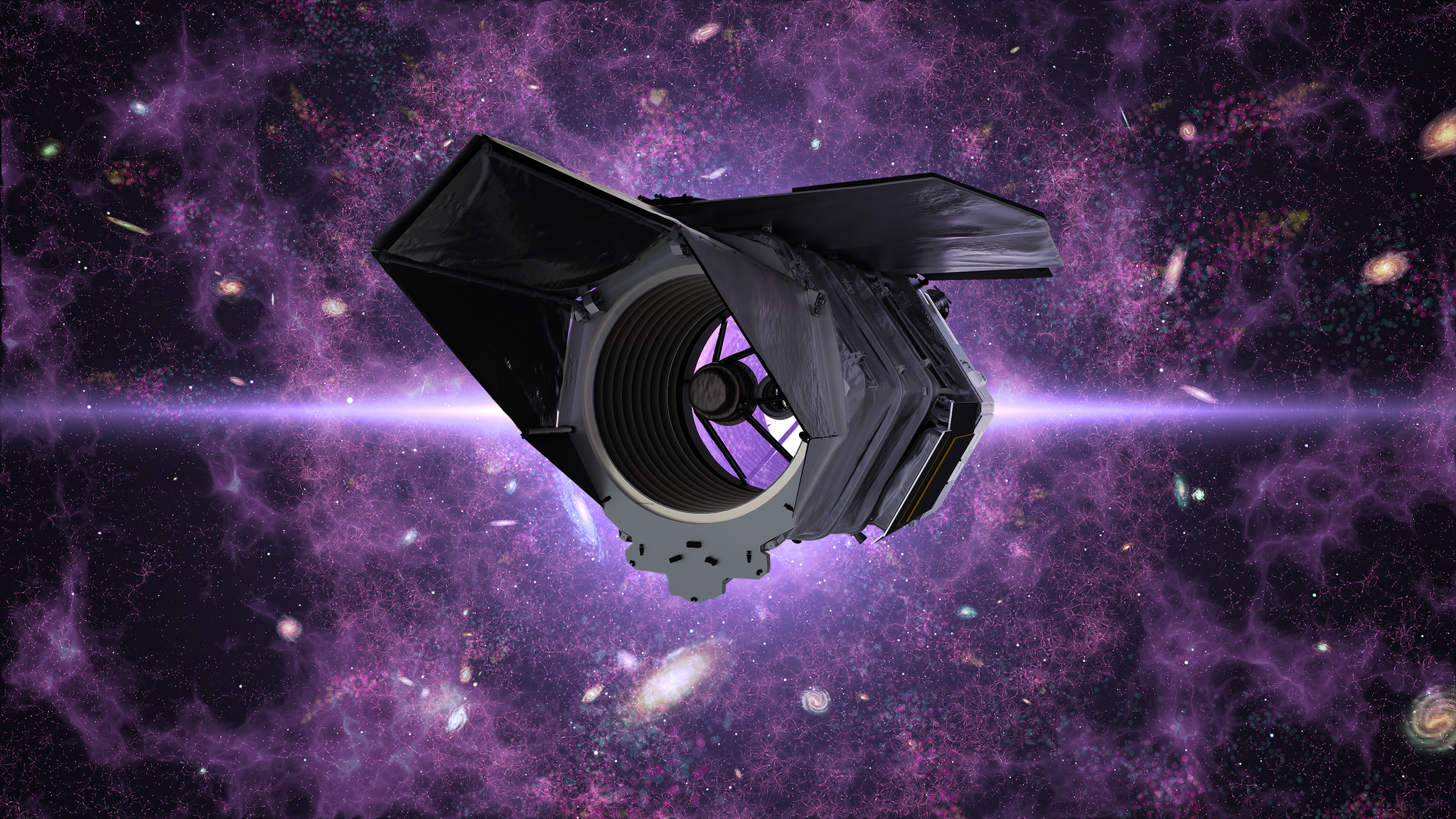
The hardware, mounted on a commemorative plaque, will travel with the telescope to the Sun-Earth Lagrange point 2, located one million miles from our planet. This positioning places the craft in the same stable gravity well as the James Webb Space Telescope. By carrying this massive registry, NASA continues a long-standing tradition of embedding human identity into the machinery of interstellar exploration.
The mission honors Dr. Nancy Grace Roman, the agency's inaugural chief astronomer and a foundational architect of orbital observation. Roman fought to place telescopes above the distorting haze of Earth’s atmosphere, a vision that eventually birthed the Hubble Space Telescope. Her namesake observatory is scheduled for a SpaceX Falcon Heavy launch on August 30, 2026, from Florida’s Launch Complex 39A.
Once operational, the Roman telescope aims to redefine deep-field imaging. Its primary camera captures a field of view 100 times larger than Hubble’s, enabling the craft to map billions of galaxies and detect thousands of distant exoplanets. Scientists intend to use this expanded aperture to probe the elusive physics of dark energy and dark matter, effectively turning a repository of human names into a sentinel for the universe’s most significant mysteries.




Comments (0)
No comments yet. Be the first!