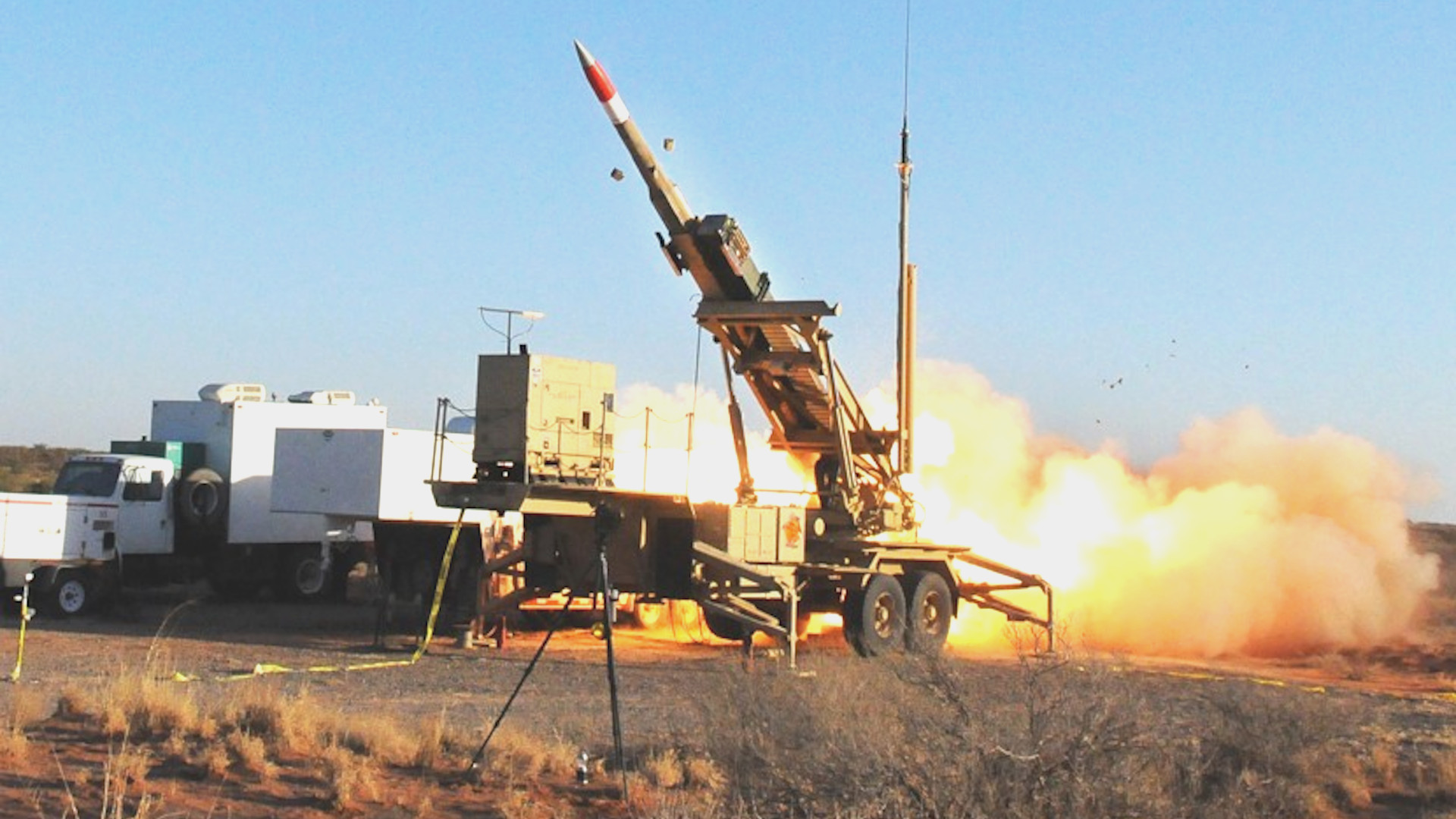
The push is currently led by Matthew Whitaker, the U.S. envoy to NATO, who traveled to Kyiv last month to vet production options with defense industry leaders and government officials. Discussions remain active despite Trump’s recent remarks at the White House, where he expressed caution regarding the transfer of sensitive missile technology. Sources confirm that no formal order has been issued to halt the dialogue, suggesting a disconnect between the President’s public rhetoric and ongoing administrative efforts.
Technical proposals under review include the production of Patriot components in Ukraine, which would then be shipped to Germany for final assembly. Another path involves Ukraine joining the program for Lockheed Martin’s new, lower-cost PAC-3 Adapted Capability Effector (ACE) missile. Even if a deal is finalized, officials note that the timeline for domestic production is extensive, likely requiring several years before the first units reach the battlefield. For now, Kyiv continues to press allies for immediate transfers to counter the growing volume of Russian ballistic missile strikes, which have increasingly overwhelmed existing interceptor stocks.

Comments (0)
No comments yet. Be the first!