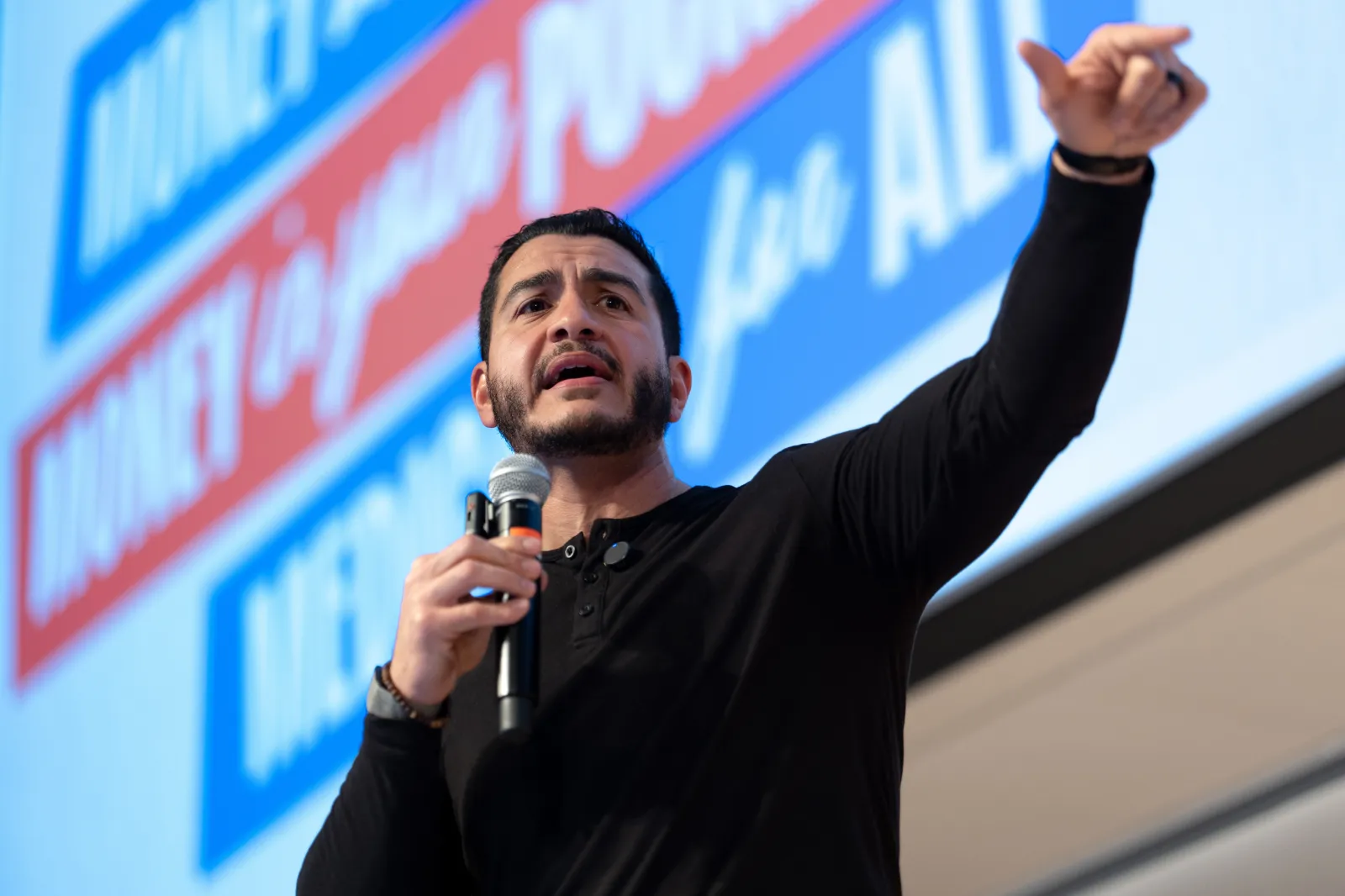
The winner of this primary will advance to face Republican Mike Rogers in a November general election essential to Democratic hopes of reclaiming the Senate. Beyond the seat itself, the race acts as a litmus test for voter appetite regarding anti-establishment platforms, particularly as local concerns over inflation, housing costs, and healthcare intersect with shifting views on U.S. foreign policy. Michigan’s unique demographic profile, which includes one of the nation’s largest Arab American populations, has intensified the focus on how candidates address the conflict in Gaza.
Strategists are already looking toward the 2028 presidential cycle, viewing the Michigan results as a potential indicator of how the party might reconcile its progressive base with broader electoral demands. Recent Reuters/Ipsos polling suggests a significant ideological shift within the party, noting that self-described liberals now constitute 71% of Democrats. While the Michigan primary remains the focal point, Tuesday’s broader landscape saw mixed results for the progressive wing elsewhere, including the defeat of Missouri Representative Cori Bush by Wesley Bell in a race heavily influenced by outside spending. As the dust settles, Democratic leaders are under pressure to unify quickly, as the party faces a narrow path to maintaining influence in Congress.




Comments (0)
No comments yet. Be the first!