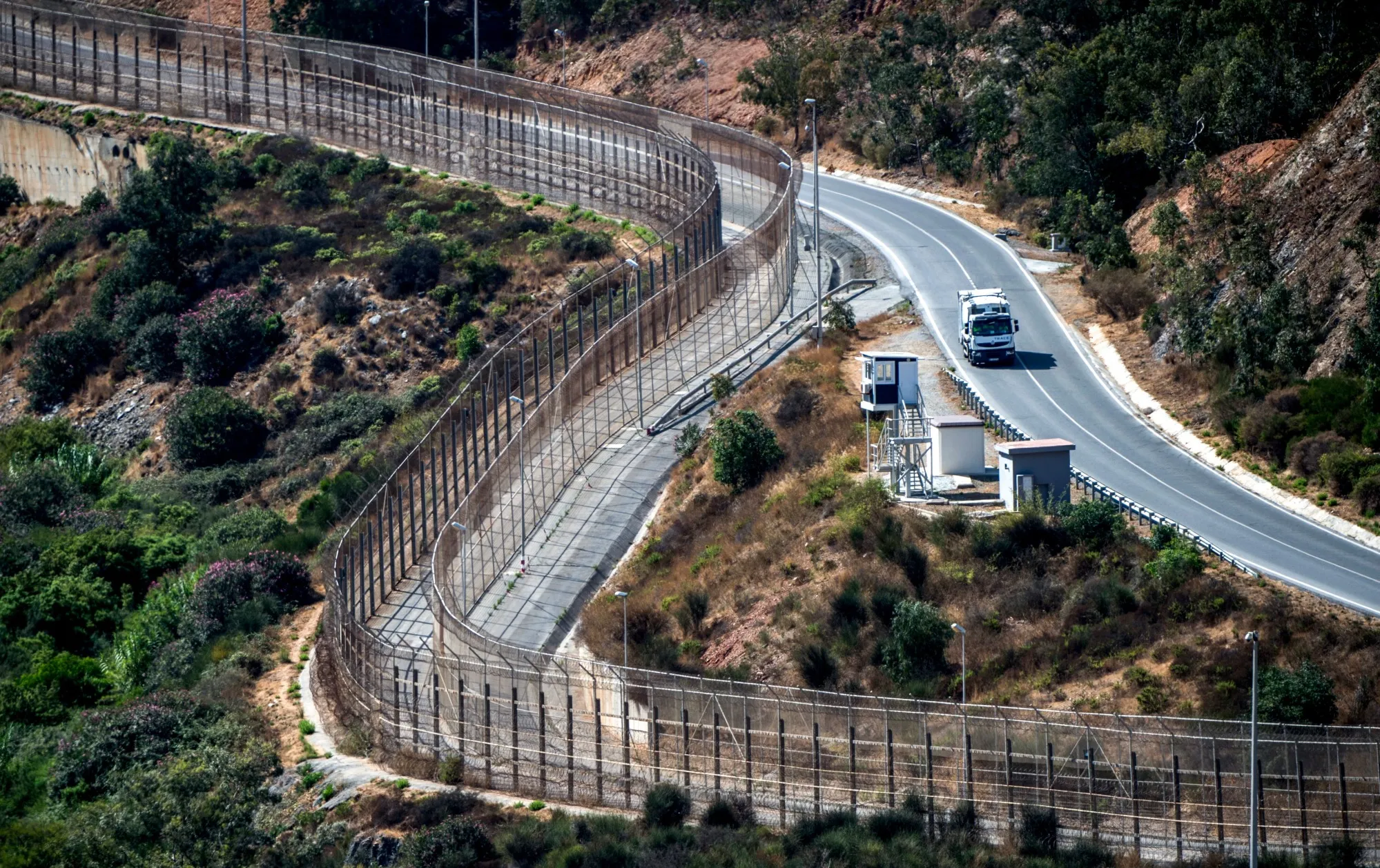
European Commissioner Magnus Brunner pointed to criminal syndicates and social media disinformation as the primary engines behind the surge. During the emergency summit, ministers debated enhanced intelligence-sharing and stricter external border protocols to prevent future incidents. While some member states, including Italy and Denmark, pushed for more rigid migration policies, the humanitarian reality remains grim: many of those who crossed face inadequate shelter, with advocates like Mauricio Valiente of the Spanish Commission for Refugee Aid criticizing the lack of dignified processing facilities.
Deep-seated geopolitical tensions complicate the response. Morocco has denied responsibility for the influx, shifting blame toward a Spanish court ruling regarding deportation procedures. Analysts remain wary of the bloc's dependency on North African partners, noting that such agreements often leave the EU vulnerable to political pressure. As Italy temporarily suspends passport-free travel arrangements with Spain, the divide over how to manage the EU’s external frontiers has widened, with calls from officials like Greek Prime Minister Kyriakos Mitsotakis to allow for the temporary suspension of asylum registrations during mass arrivals.


Comments (0)
No comments yet. Be the first!