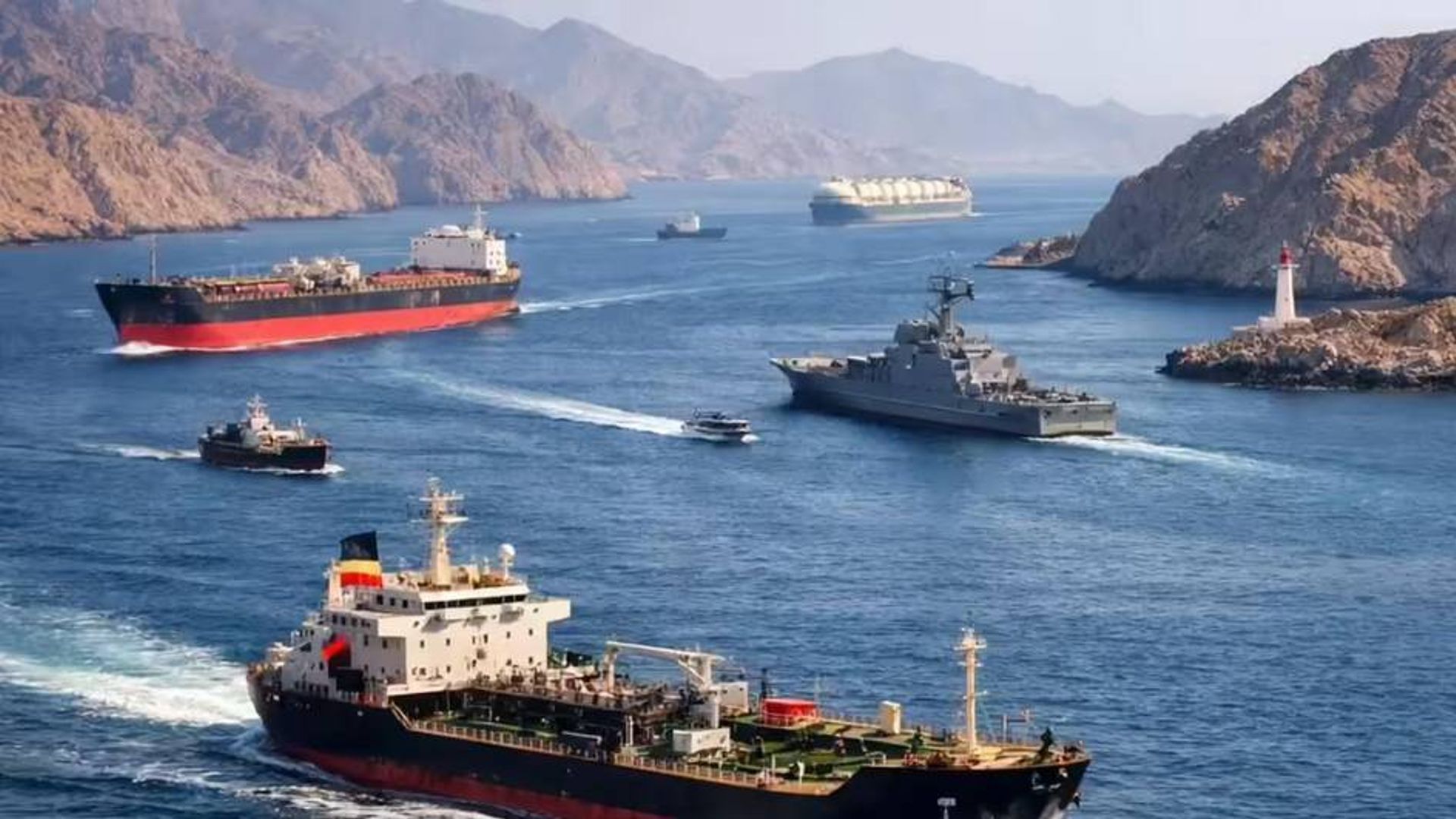
The proposed plan marks a shift from Tehran’s earlier demand for total authority over both transit directions. Under the current framework, outbound vessels would utilize a route between Iranian and Omani waters, with exit clearance granted by Oman only after Iran has been notified of the transit. This adjustment follows Tehran’s rejection of an Omani suggestion to split transit routes equally, a proposal Iran dismissed for failing to address its specific security requirements.
The dispute over the 34-kilometer-wide strait, which facilitates roughly one-fifth of global oil supplies, remains a primary obstacle to restoring regional stability. Washington maintains that a June memorandum required the immediate reopening of the passage, while Tehran argues the agreement explicitly protected its sovereign authority over maritime traffic. The strait has remained largely impassable since the outbreak of conflict in late February, disrupting the established traffic separation scheme that has governed the corridor since 1968.




Comments (0)
No comments yet. Be the first!