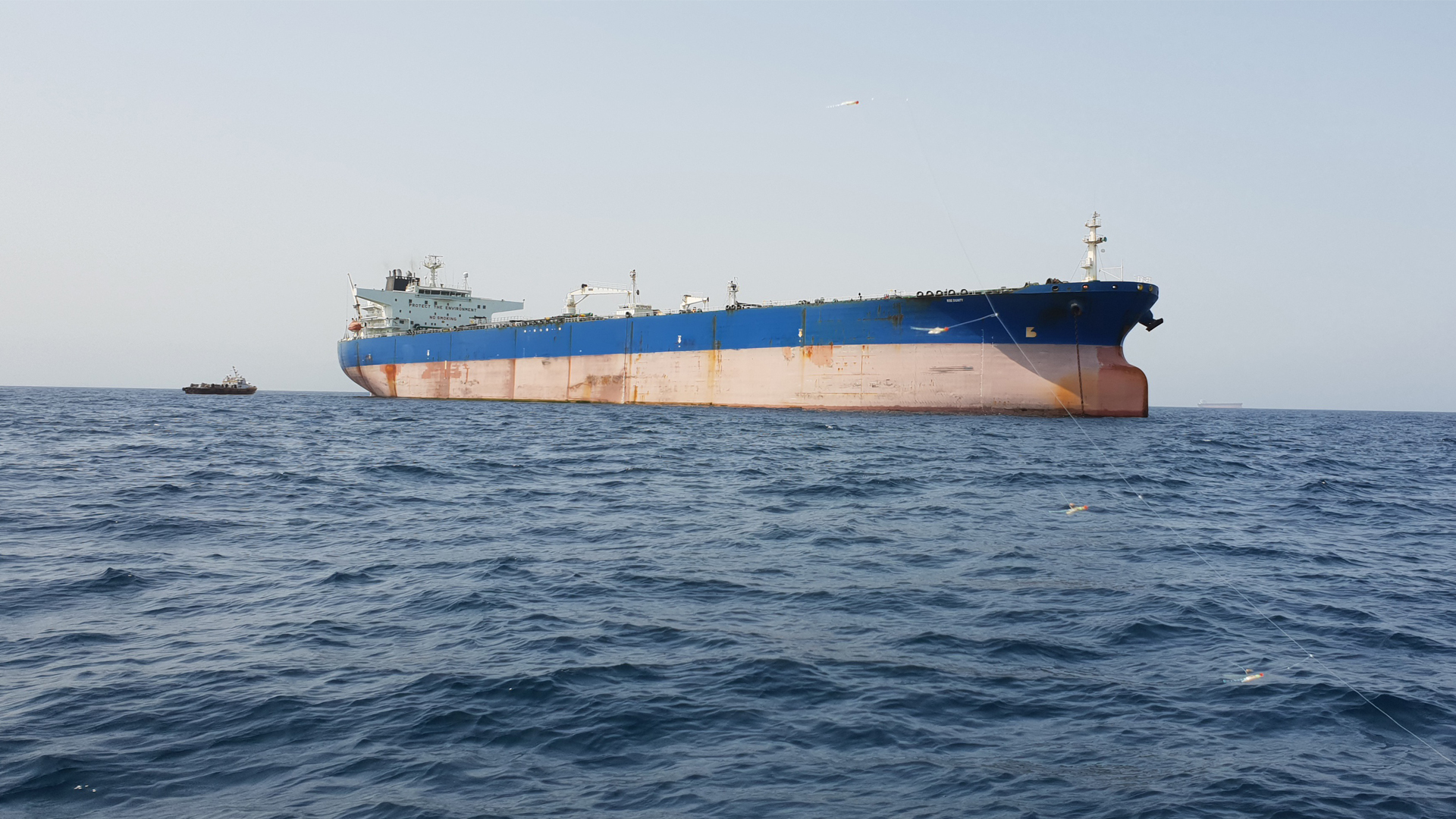
The proposed framework would route outbound vessels through a specific corridor between Iran and Oman, requiring exit clearance mediated by Muscat only after Iranian notification. According to a senior Iranian source familiar with the negotiations, this arrangement reflects Tehran's hardening stance on maritime security. The source confirmed that the government remains unlikely to compromise on these demands.
This push for authority follows the rejection of an earlier Omani proposal that suggested an equal division of transit routes between the two nations. Kazem Gharibabadi, Iran's Deputy Foreign Minister, dismissed that plan in late July, arguing it failed to address Tehran's long-term security requirements. Control over the strait remains a primary obstacle in broader diplomatic efforts to stabilize the region, as the waterway serves as the transit point for approximately 20% of global oil supplies. The channel has remained largely blocked since the onset of the conflict in late February.




Comments (0)
No comments yet. Be the first!