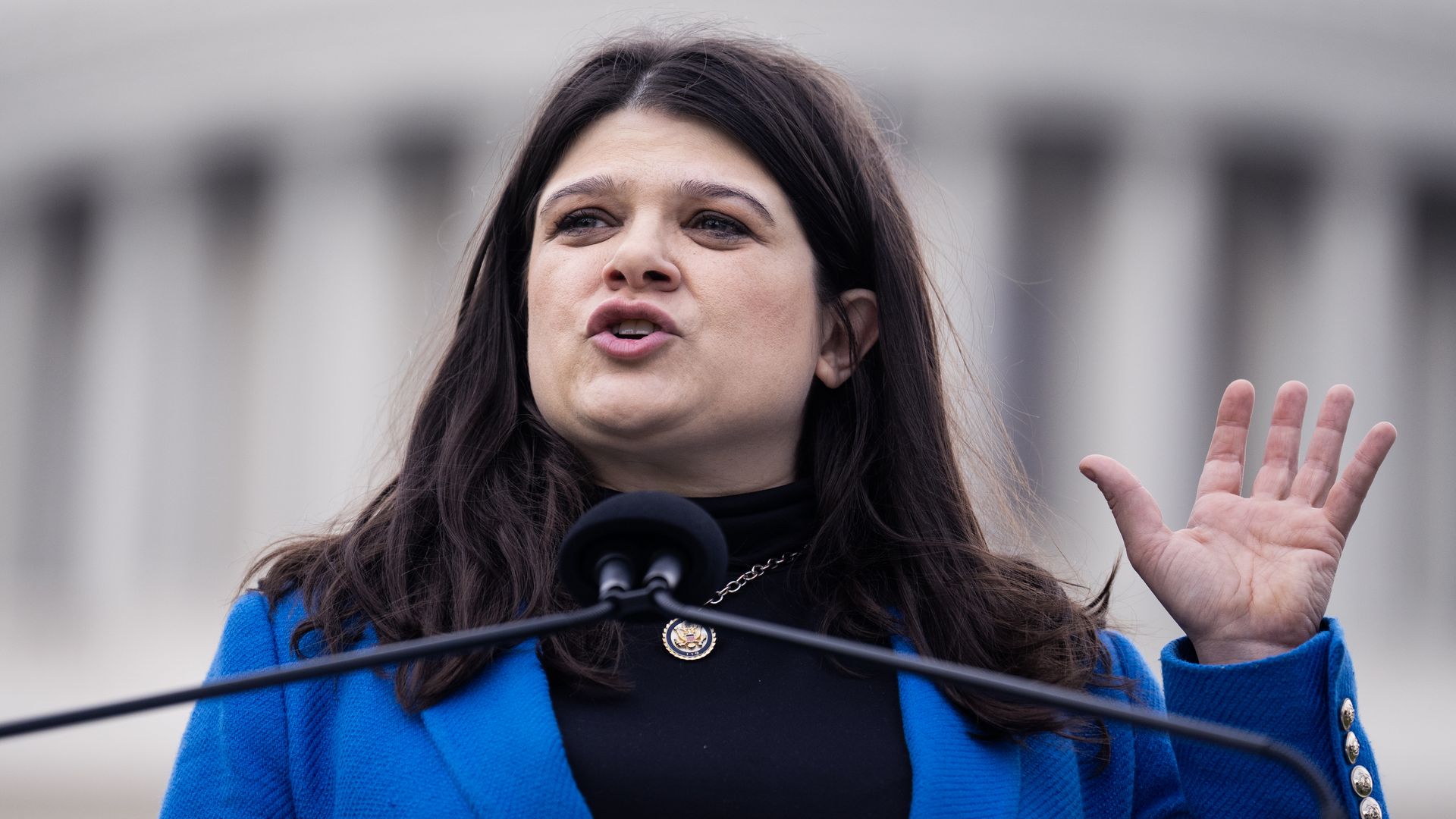
The contest highlights a deepening ideological rift within the party. El-Sayed, backed by Bernie Sanders and Alexandria Ocasio-Cortez, argues that U.S. military aid should be redirected toward domestic priorities like healthcare and infrastructure. His campaign gains traction from Michigan’s significant Arab-American population and a broader anti-establishment sentiment. Recent polling remains volatile, with surveys showing conflicting leads for both candidates, underscoring the uncertainty of the outcome.
Conversely, Stevens maintains the support of the party establishment, including Governor Gretchen Whitmer and Senate Majority Leader Chuck Schumer. She contends that her moderate platform offers the best chance to defeat Republican Mike Rogers in November, appealing to the independent voters necessary to win in a swing state. While she has criticized Prime Minister Benjamin Netanyahu’s leadership, she remains a staunch defender of the U.S.-Israel alliance. As Democratic strategist Karen Finney noted, the intensity of the debate suggests that party leadership must reckon with voter frustration regarding the status quo, regardless of whether the victory goes to the progressive challenger or the moderate incumbent.


Comments (0)
No comments yet. Be the first!