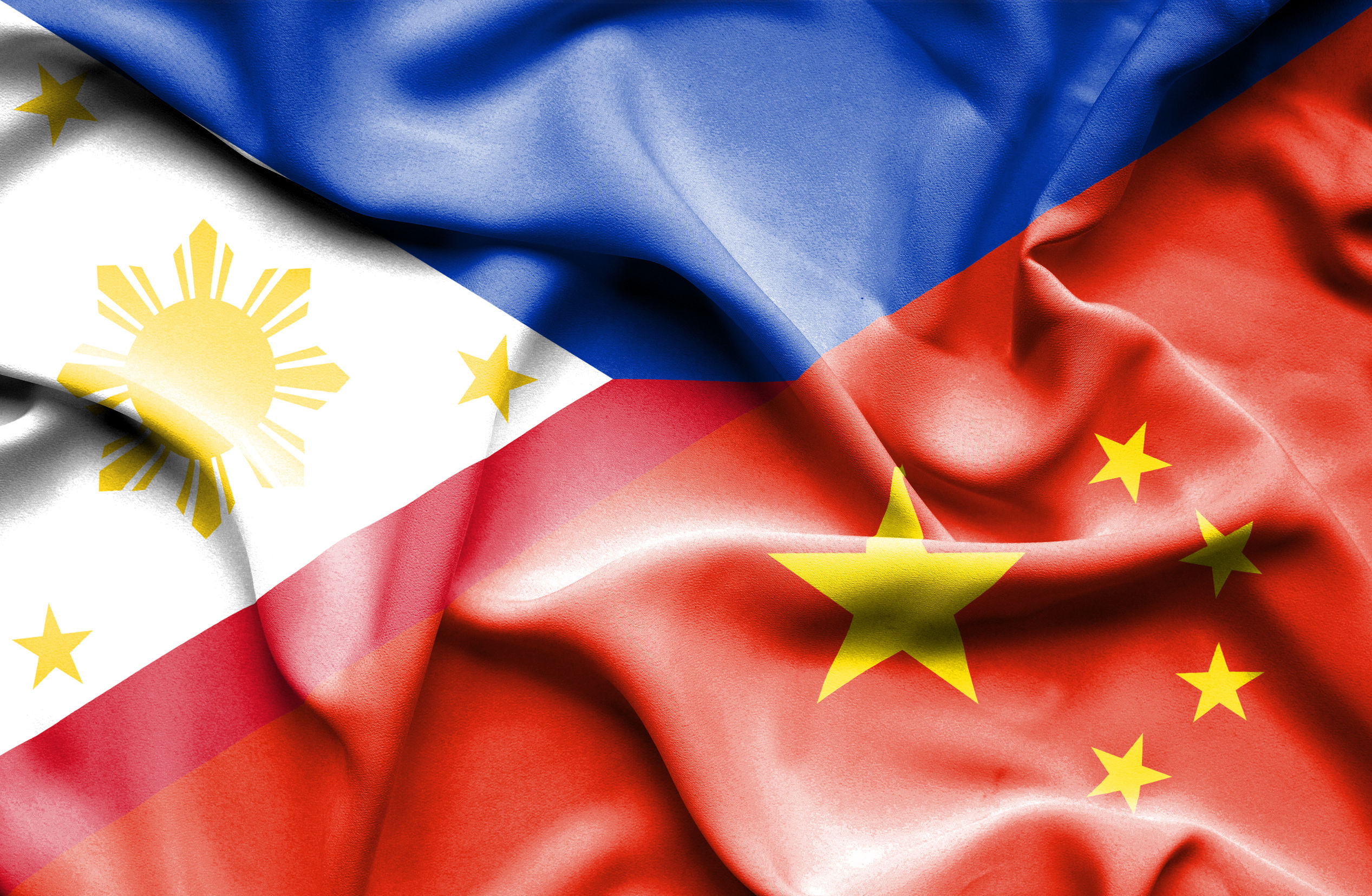
The friction originated from a recent Philippine Department of National Defense statement justifying stricter controls on foreign-backed cultural and academic exchanges. Officials in Manila pointed directly to China’s National Intelligence Law, which mandates that Chinese organizations and citizens assist state intelligence operations upon request. This legal framework serves as the primary rationale for the heightened vetting of Chinese-affiliated institutions currently operating within the Philippines.
Beijing’s Foreign Ministry dismissed these concerns as politically motivated, accusing a small faction within the Philippines of intentionally sabotaging bilateral ties. Chinese officials claimed the accusations serve as a distraction from the ongoing maritime disputes, arguing that Manila is weaponizing education to curtail people-to-people exchanges. This confrontation marks a departure from traditional diplomacy, as both capitals increasingly treat academic and research partnerships as instruments of national security rather than cultural cooperation.
Relations have soured significantly over the past year, fueled by high-profile criminal investigations into networks with alleged Chinese links and inflammatory rhetoric from officials like Defense Secretary Gilberto Teodoro. As Manila aligns its policy with Western concerns regarding foreign interference, the scope of the rivalry continues to widen. This shift into the educational sector complicates future confidence-building efforts, suggesting that the competition for influence will likely permeate more layers of Philippine society.



Comments (0)
No comments yet. Be the first!