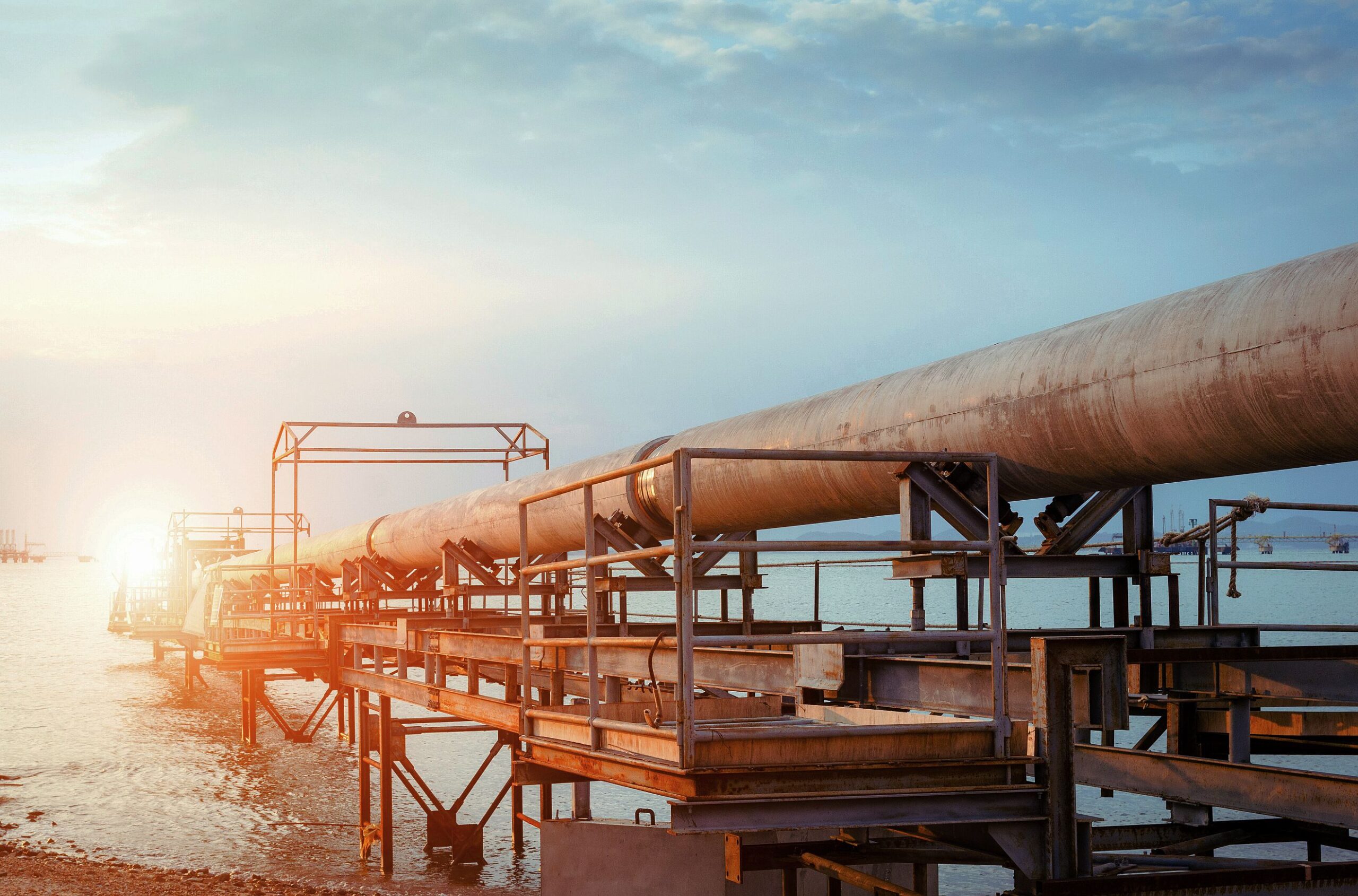
The transition is governed by a brutal temporal asymmetry: while political cycles demand immediate results, the geology of deep-basin gas requires years of development. The July 2026 Berlin–Algiers agreement exemplifies this, effectively rerouting existing Algerian molecules through Italy’s SoutH2 corridor rather than expanding total supply. With Egypt struggling as a net importer and Libyan infrastructure vulnerable to factional strife, Europe faces a persistent supply risk. To bridge the gap, the continent relies on expensive LNG imports, creating a diversification premium that keeps industrial energy prices high.
Infrastructure Pathways and Regional Stability
Two competing mega-projects define the future of the region. The Trans-Sahara Pipeline, aiming to move 30 bcm/yr from Nigeria through Niger to Algeria, offers the most direct integration into Europe’s existing network. Conversely, the Nigeria–Morocco Coastal Pipeline proposes a 5,600-kilometre Atlantic route, requiring immense regulatory coordination across a dozen states and a total investment exceeding €24 billion. Nigeria is currently leveraging this rivalry to maximize its own bargaining power, leaving Europe to navigate a high-risk landscape where political stability in the Sahel remains the ultimate constraint.
Success hinges on a broader regional architecture. Tunisia’s role as the guardian of the TransMed transit spine and Egypt’s potential to stabilize the LNG market through infrastructure modernization are critical to preventing winter supply shocks. While European climate taxonomy restricts direct funding for upstream hydrocarbon extraction, Brussels is shifting its focus toward midstream assets, transit integrity, and digital monitoring. If these investments move forward, North Africa could evolve from a collection of constrained, unreliable partners into a cohesive exporter capable of providing the pricing leverage necessary to neutralize the dominance of global LNG suppliers.


Comments (0)
No comments yet. Be the first!