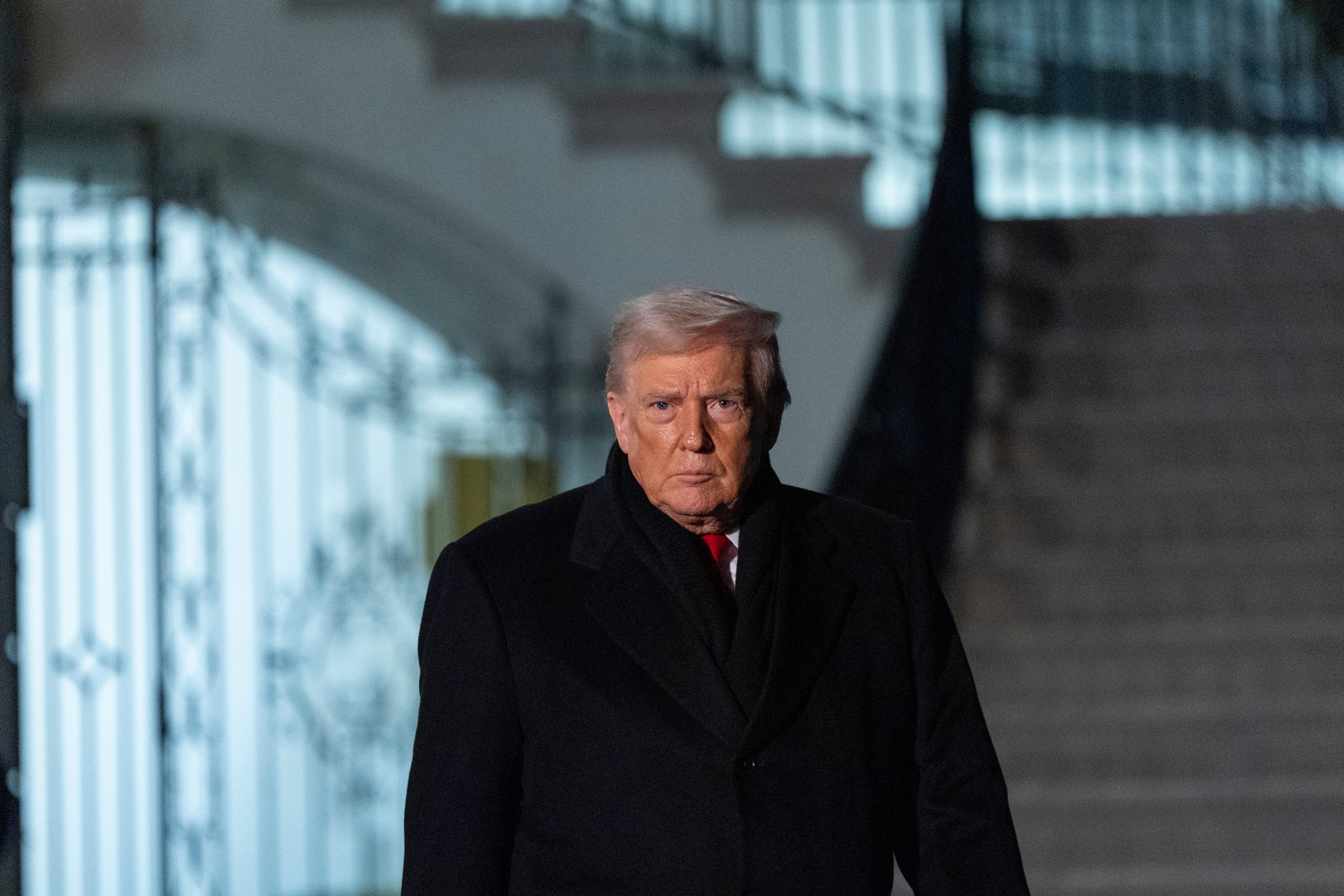
The president’s approach remains a volatile mix of military posturing and economic pressure. While Trump expressed a desire to avoid further casualties, his administration continues to manage the fallout from a conflict that has disrupted global energy supplies. The closure of the Strait of Hormuz, historically a conduit for 20% of the world’s oil and liquefied natural gas, has driven up fuel costs and fueled inflationary concerns domestically. Markets reacted to the news of potential progress, with oil prices dropping more than 4% in early Monday trading.
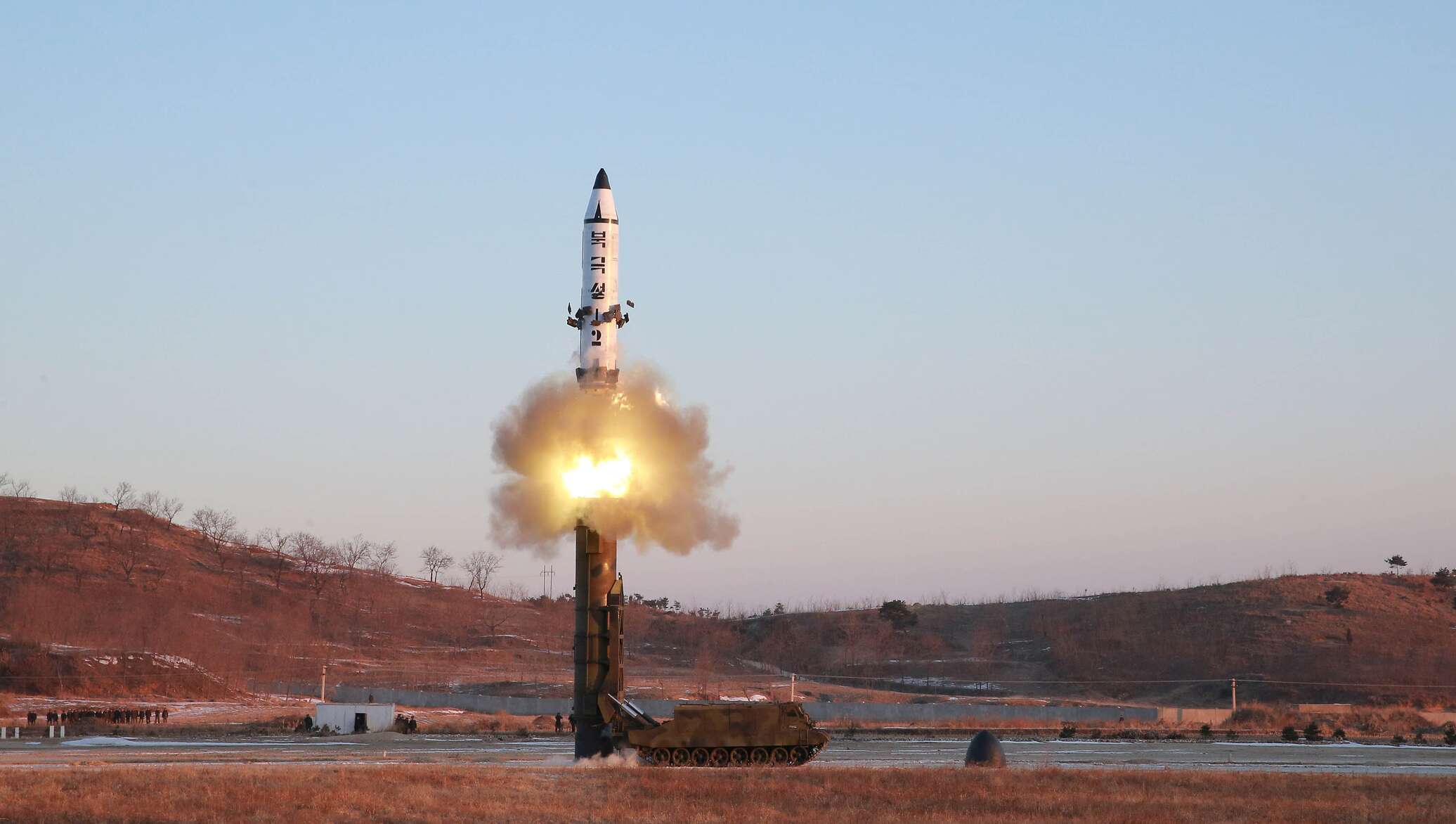
Diplomatic activity intensified over the weekend as Iranian Foreign Minister Abbas Araqchi consulted with counterparts in Saudi Arabia and Pakistan. Meanwhile, Tehran’s officials are reportedly finalizing separate negotiations with Oman regarding new maritime routes, though they maintain these discussions are distinct from the broader impasse over the strait. Israeli officials remain skeptical of a negotiated path. Energy Minister Eli Cohen emphasized that Israel retains the right to strike regardless of any U.S.-led deal, specifically targeting any attempts by Tehran to advance its ballistic missile program or nuclear research. Following a recent meeting between Trump and Prime Minister Benjamin Netanyahu, the administration faces the difficult task of balancing domestic economic relief with the security demands of its regional allies.

Comments (0)
No comments yet. Be the first!