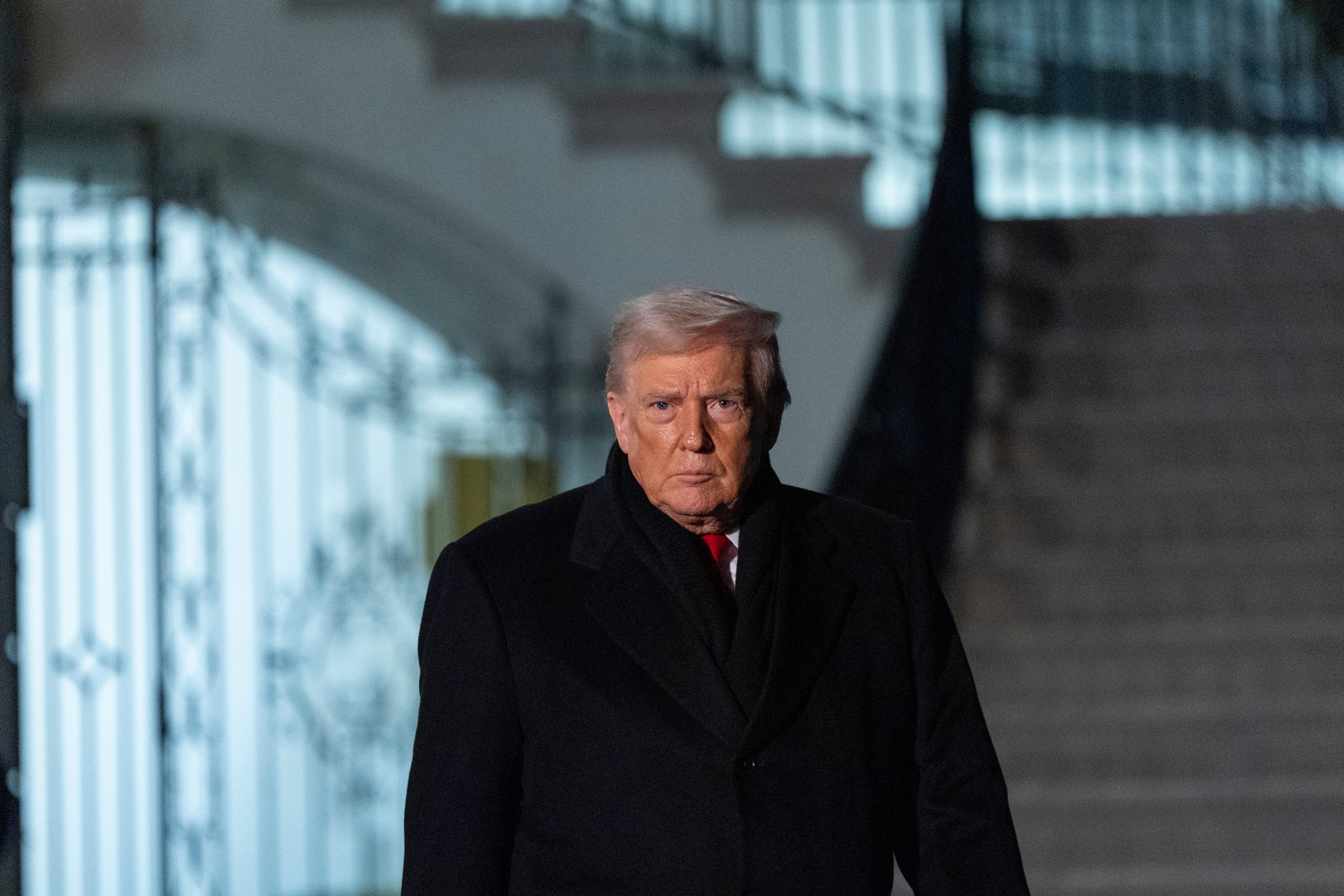
The shift follows a conversation between Trump and Saudi Crown Prince Mohammed bin Salman, who reportedly emphasized the need for dialogue to de-escalate regional hostilities. While Trump claims Israel supports this diplomatic pivot, Tehran has publicly dismissed the narrative. Iranian officials via the semi-official Mehr news agency labeled the president's account a fabrication, asserting that their military remains at the highest state of readiness regardless of U.S. positioning.
Economic stakes remain the primary driver for this fragile de-escalation. Since the conflict began five months ago, Iran’s closure of the Strait of Hormuz—a vital artery for 20% of global oil and LNG—has triggered a 24% surge in Brent crude futures. With the conflict spreading to the Red Sea and the Bab el-Mandeb, the Biden administration faces mounting pressure to stabilize energy costs. Foreign Minister Abbas Araqchi remains defiant, warning that any U.S. or Israeli aggression will be met with a proportionate response, even as international negotiators including Marco Rubio and Jared Kushner attempt to secure a breakthrough.
Comments (0)
No comments yet. Be the first!