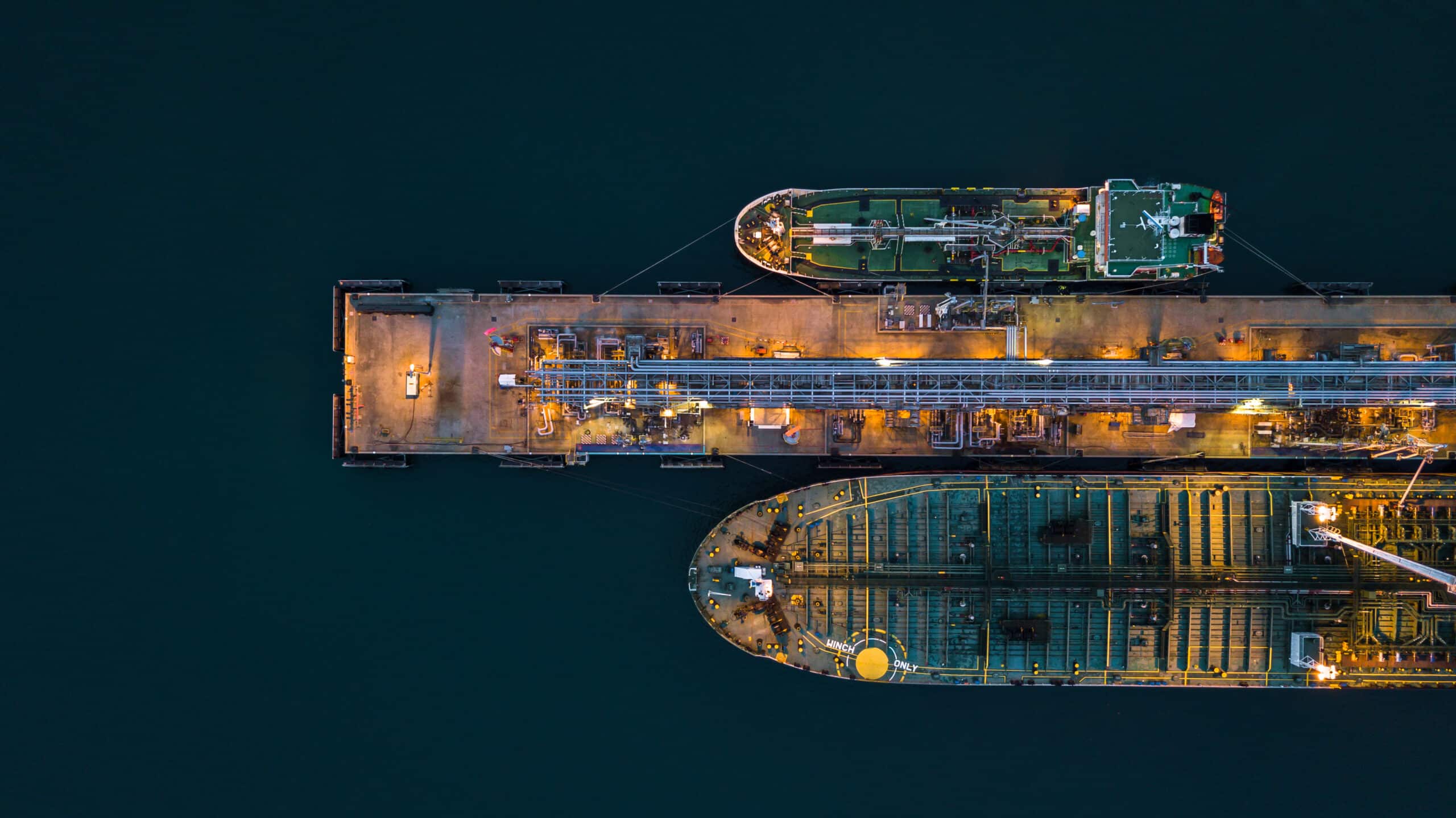
The narrative of an inevitable global energy crisis, once fueled by warnings of $200-a-barrel oil and industrial paralysis, is unraveling. Rather than succumbing to the blockade, Saudi Arabia and the UAE have built a sophisticated, multi-layered logistics architecture designed to bypass the Straits entirely. Saudi Arabia has scaled its East-West pipeline to a 7-million-barrel-per-day capacity, while the UAE is doubling its export throughput via the Habshan-Fujairah link, shifting primary transit points to the Gulf of Oman.
This regional pivot extends beyond pipelines. A new "Green Corridor" now integrates Omani ports like Sohar and Duqm into Gulf supply chains, supported by streamlined overland networks. Saudi Arabia’s dramatic expansion of its trucking fleet—growing from 600 to 3,500 vehicles—has established a functional land bridge for non-oil exports, ensuring industrial minerals reach Red Sea ports. When coupled with the quiet, effective naval overwatch provided by CENTCOM, these adaptations have restored roughly 80% of pre-blockade export volumes.
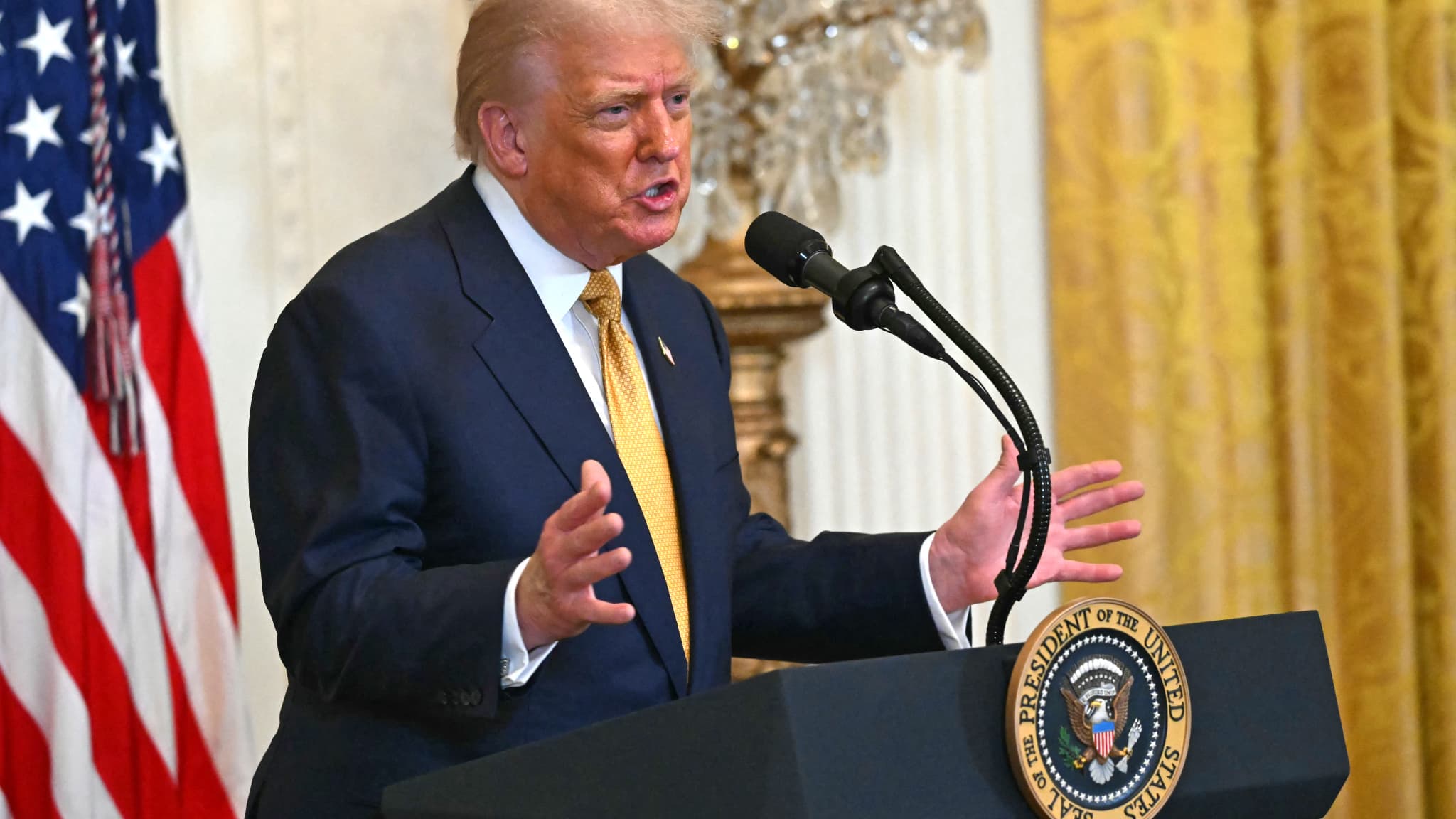
These developments signal a strategic shift in Washington as well. With the failure of the earlier Memorandum of Understanding and the resumption of targeted military strikes, the White House appears to recognize that the economic threat has been mitigated. Iran now faces a diminishing return on its aggression: the longer it disrupts the Straits, the more permanent and robust the Gulf’s alternative infrastructure becomes. Tehran is no longer holding the world economy hostage; it is merely accelerating its own irrelevance in the region’s evolving trade landscape.
/nginx/o/2026/03/05/17490850t1hd3a3.jpg)

Comments (0)
No comments yet. Be the first!