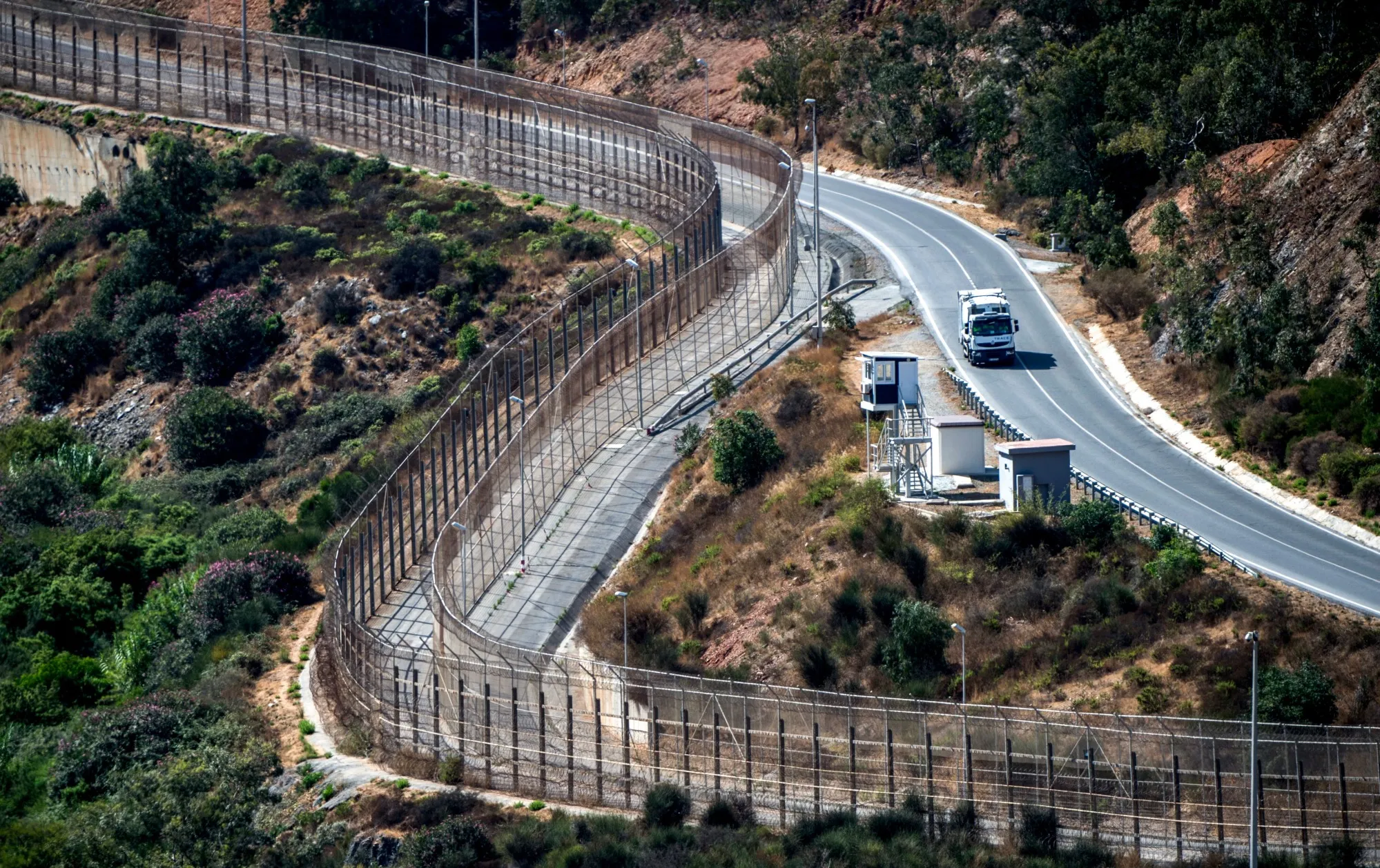
Brahim, a bakery worker from Fez, joined the mass crossing after watching online clips, believing he could secure a future in Europe. Instead, he spent three days surviving on nothing but water, unable to afford basic supplies like a 100-dirham tuna sandwich. For many, the reality of the enclave was not freedom, but confinement. Returnees described the city as a prison where everything was closed, leaving them to dry their soaked clothes on the streets while searching for food. Some migrants reported being targeted by residents in the El Principe neighborhood, claiming they were chased and attacked until they had no choice but to leave.
While Spain’s Interior Ministry confirmed at least two knife-related injuries, the local atmosphere in Ceuta remains strained. Business owners like Marina Castaño have begun reopening their cafes to restore a sense of normalcy, though many shops remain shuttered. Despite the mass exodus back to the Moroccan city of Fnideq, some, like 43-year-old Sudanese migrant Mohamed Ahmed, remain defiant. Having survived a four-hour swim to reach the coast, he refuses to return, insisting he would rather die than abandon his attempt to reach mainland Spain.

/nginx/o/2026/03/05/17490850t1hd3a3.jpg)

Comments (0)
No comments yet. Be the first!