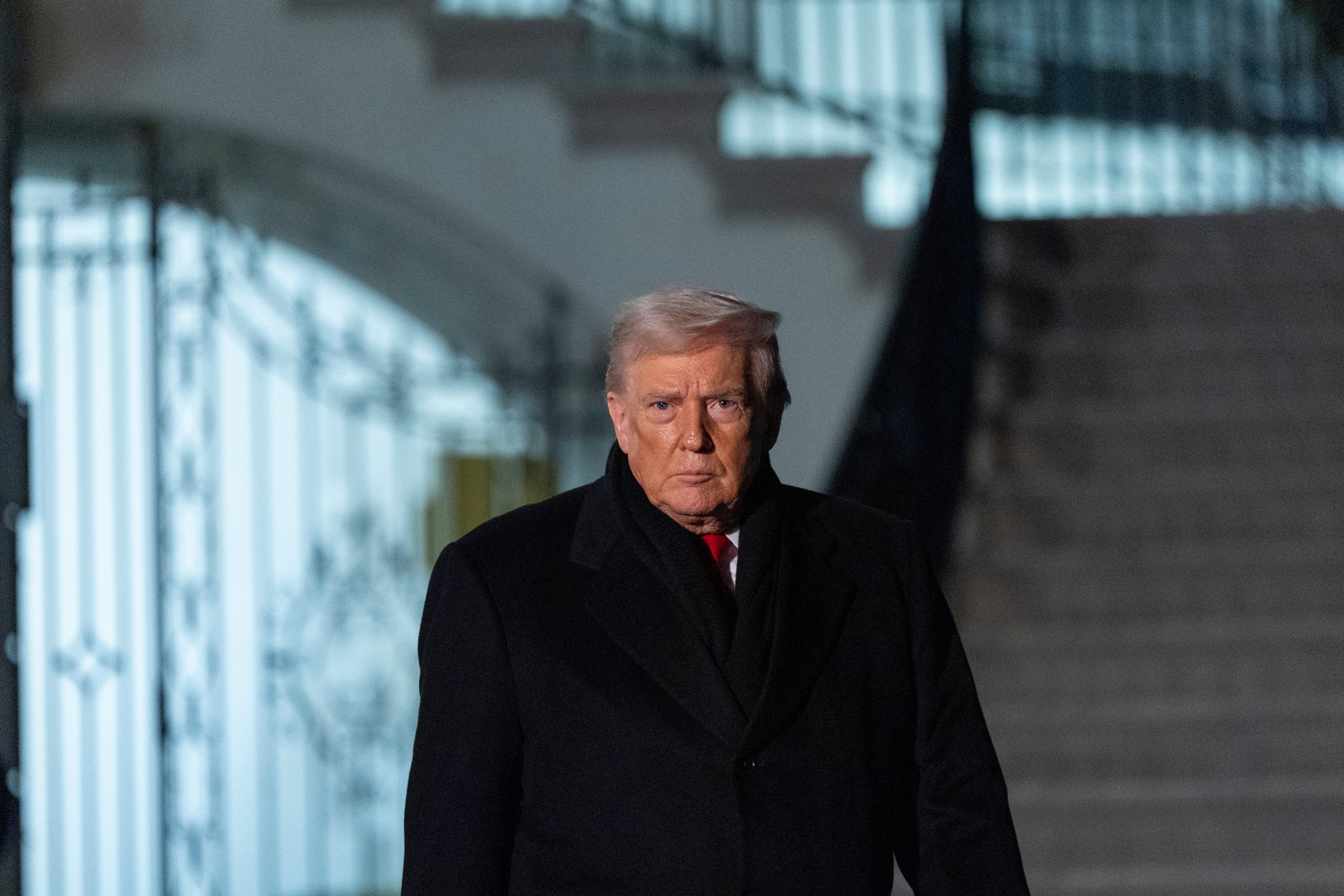
The meeting comes as the White House faces mounting pressure on multiple fronts. During the session, Trump dismissed reports that Iran was responsible for recent cyberattacks on Minnesota’s water systems, choosing instead to blame local administrative incompetence. This stance contrasts with warnings from federal cyber defense agencies, which have reported an uptick in hackers targeting water infrastructure across at least seven states.
Simultaneously, the administration’s legislative agenda is stalling. Trump conceded that his proposed 'anti-weaponization' fund is effectively dead, a casualty of friction with Senate Republicans that has also left the confirmation of acting Attorney General Todd Blanche in limbo. Despite these setbacks, the administration secured a minor victory as the Senate health committee advanced the nomination of Dr. Erica Schwartz to lead the CDC.
Economic and environmental challenges are further complicating the administration's portfolio. Treasury Secretary Scott Bessent was photographed at the meeting with notes suggesting a potential $5 billion to $10 billion purchase of Japanese yen, while the White House simultaneously moved to restrict the export of critical mineral scrap. Meanwhile, the administration is navigating federal litigation over water rights in the Colorado River basin and facing scrutiny over its handling of media relations, specifically regarding threats to revoke broadcast licenses held by Disney-owned ABC.


Comments (0)
No comments yet. Be the first!