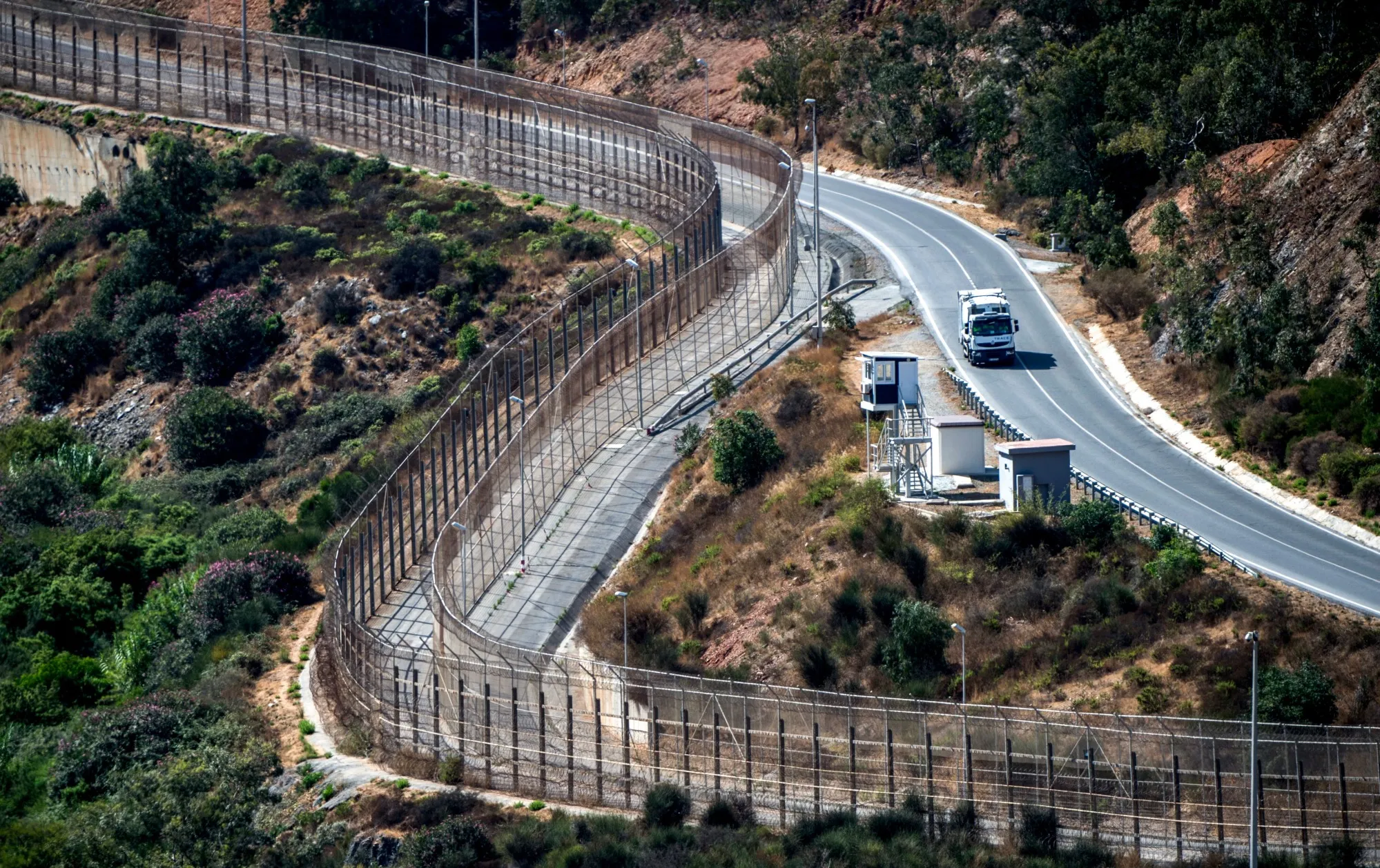
The crisis in Ceuta, which forced a lockdown in Melilla, has highlighted the disconnect between Brussels’ rhetoric and the reality on the ground. Responsibility for the external border rests with Magnus Brunner, Commissioner for Internal Affairs and Migration, and Dubravka Šuica, Commissioner for the Mediterranean. Neither official had a contingency plan ready when the surge began. Brunner’s flagship New Pact on Migration and Asylum remains largely unimplemented across member states, leaving the EU to rely on the same reactive Frontex deployments used during previous crises in Lampedusa and on the Belarus border.
Šuica’s mandate, focused on partnerships with the Southern Neighbourhood, has produced only framework documents rather than an early-warning system or coordination channel. Despite the Commission citing a 31% drop in arrivals on the Western Balkan route as a success, this statistic provides no defense for the lack of readiness on the Western Mediterranean route. When the crisis hit, President Ursula von der Leyen’s response mirrored the past decade of policy: phone calls and statements of confidence in Moroccan partnerships that failed to prevent the emergency. Internal fractures have only deepened the dysfunction, as Italian officials floated the suspension of Spain from Schengen while Madrid accused Rome of partisan demagoguery. This cycle of finger-pointing suggests that the EU’s reliance on outsourced border policing, rather than internal capability, remains its most significant strategic vulnerability.


Comments (0)
No comments yet. Be the first!