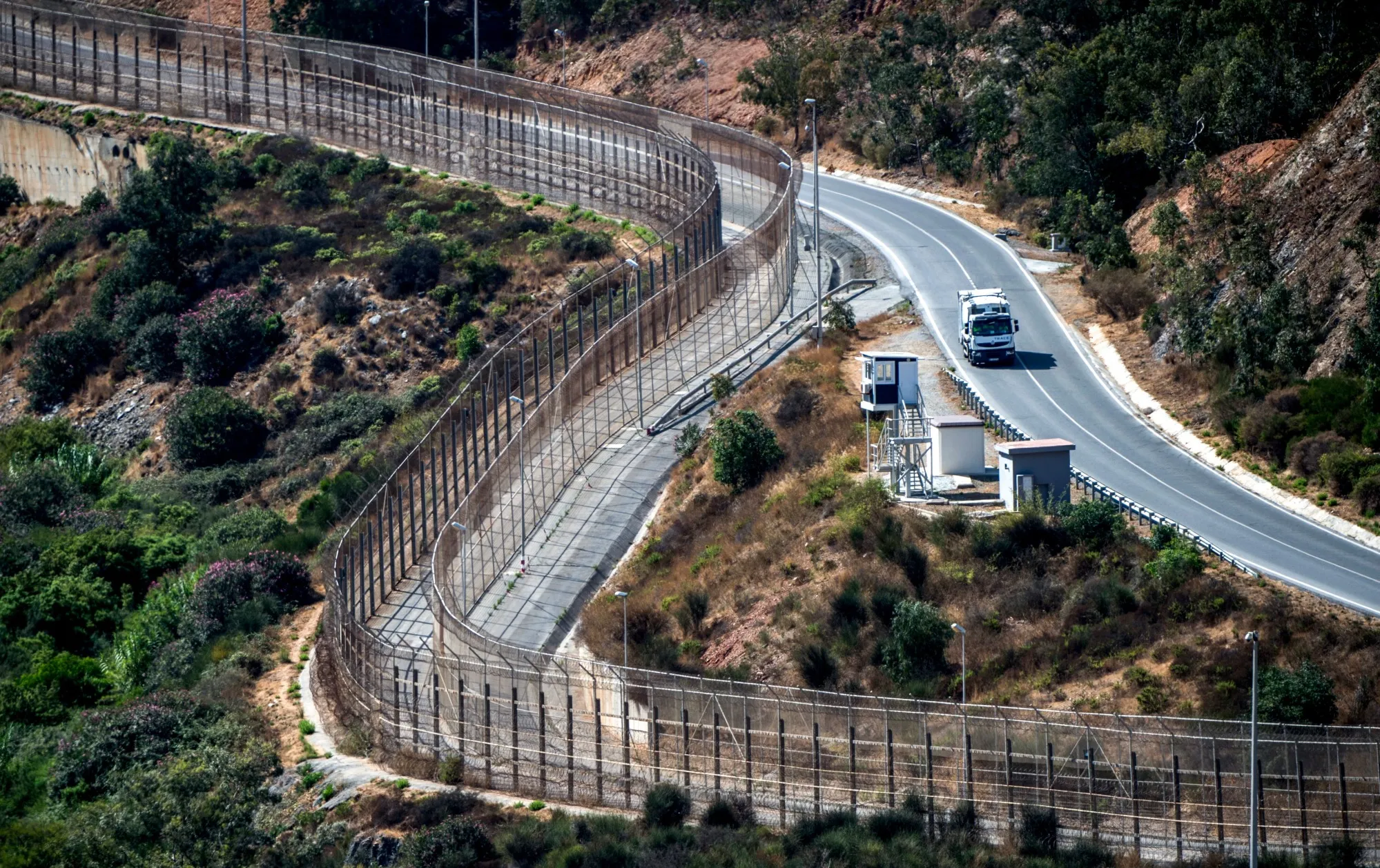
The massive influx of migrants follows a period of intense public dissatisfaction in Morocco, where nearly a quarter of young people remain disconnected from education or employment. Many saw an opening in a July Spanish Supreme Court ruling regarding maritime interceptions, which spread rapidly across social media. While the ruling does not grant automatic residency, the perception of an easier passage, combined with favorable sea conditions, prompted thousands to attempt the crossing.
Spanish Prime Minister Pedro Sanchez condemned the surge as a violation of sovereignty, vowing to expedite repatriations. His administration plans to install maritime buoys to reinforce the border and is reviewing immigration laws to strengthen return protocols. Despite the government's firm stance, the timing of the surge—coinciding with the Moroccan holiday of Throne Day—has sparked speculation among analysts. Some suggest that Moroccan authorities may have relaxed border controls as a diplomatic signal, potentially in response to Spain’s recent diplomatic outreach to Algeria and legislative moves regarding Sahrawi descendants. While Madrid maintains that bilateral relations with Rabat remain excellent, the sudden wave of arrivals highlights the ongoing volatility at the intersection of economic desperation and geopolitical friction.


Comments (0)
No comments yet. Be the first!