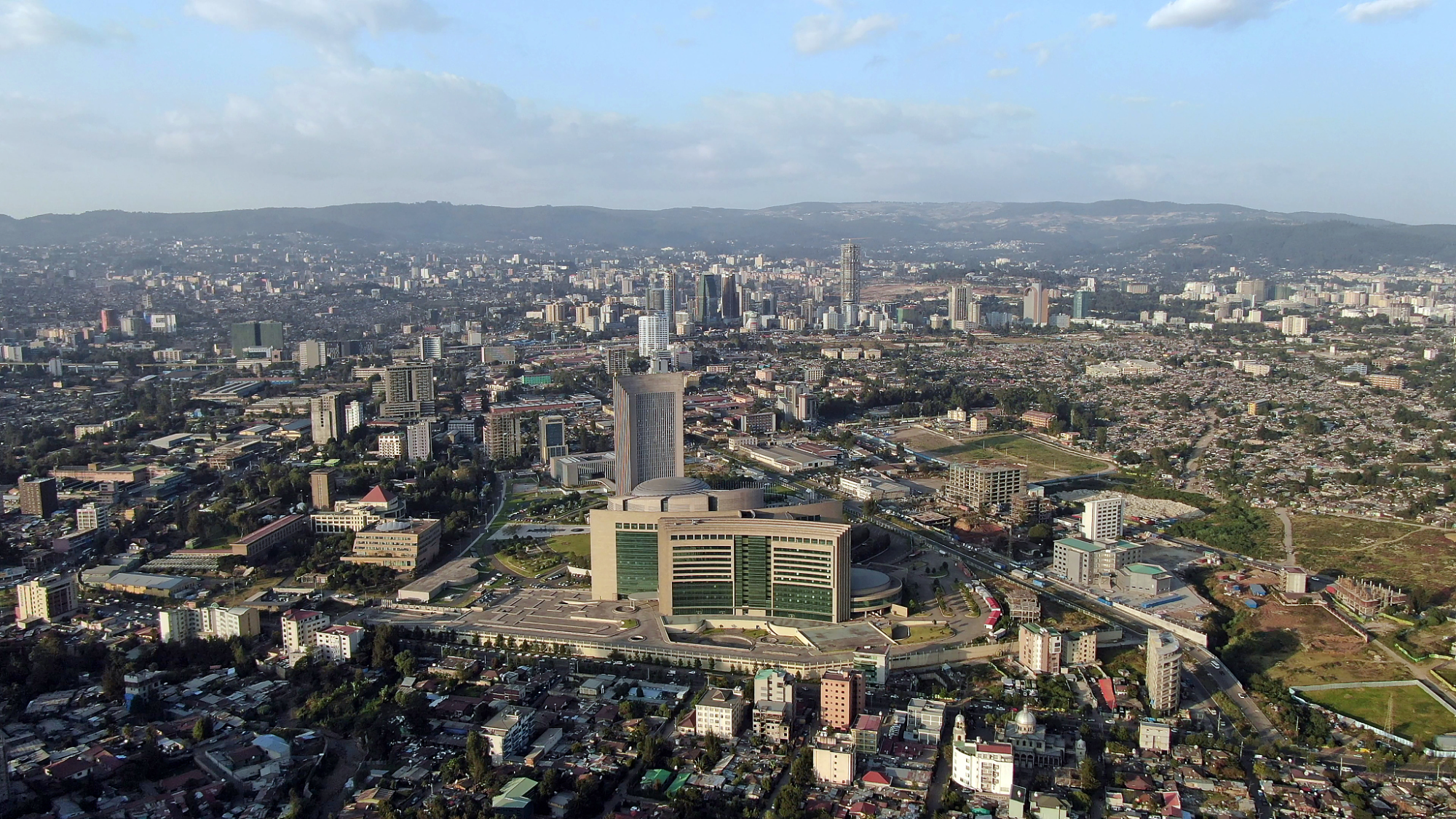
Nathaniel Agola, the Bank’s Chief Country Economist for Ethiopia, highlighted that limited access to affordable capital remains the primary hurdle for domestic firms. During the session, bank officials detailed a suite of instruments—ranging from trade finance and equity investments to partial risk guarantees—designed to bolster agro-industrial projects and infrastructure development. Government representative Berhanu Anbesa reinforced this, designating the private sector as the essential engine for long-term job creation and industrial diversification.
While attendees expressed interest in these funding avenues, many pointed to the steep capital requirements for direct financing as a significant barrier. Bank experts advised firms to refine their project preparation and leverage professional advisory services to meet international standards. Currently, the AfDB manages a $1.3 billion portfolio in Ethiopia, with 27 active projects. Although 93 percent of this funding is directed toward the public sector, the Bank’s 2023–2027 strategy explicitly prioritizes shifting that balance to support Ethiopia’s evolving economic landscape.


Comments (0)
No comments yet. Be the first!