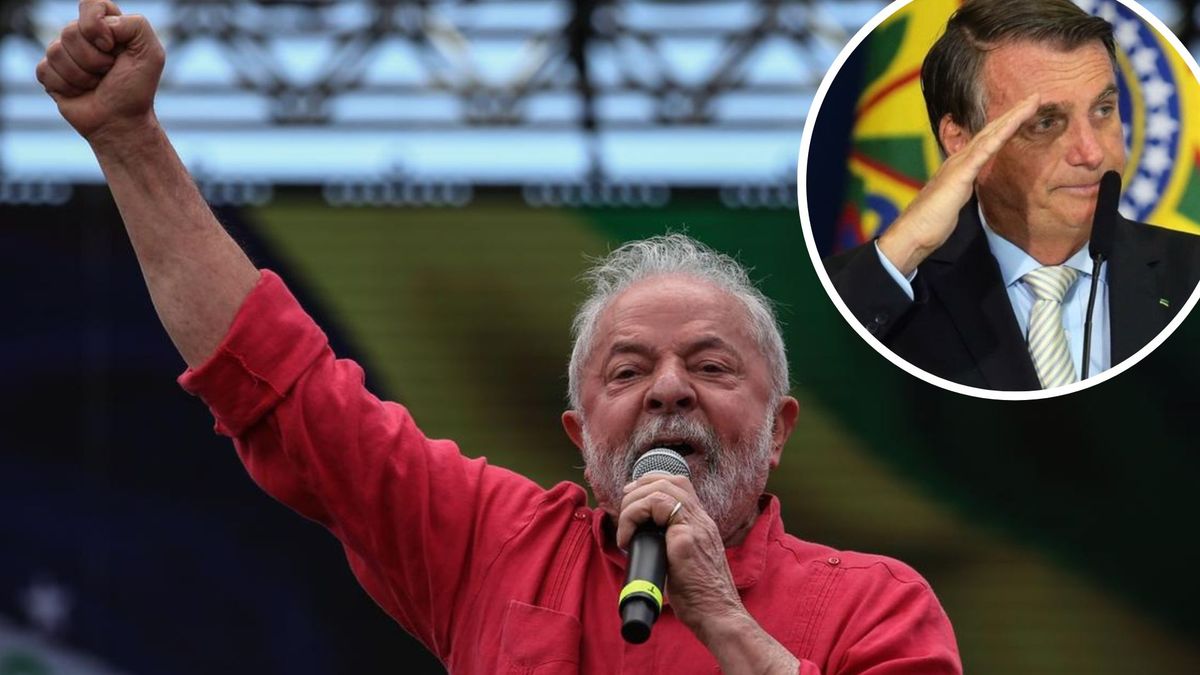
The five major center-left parties have coalesced around the veteran leader, a strategic alignment born from necessity as the national electorate shifts rightward. Research by Felipe Nunes indicates that the share of Brazilians identifying as right-wing climbed to 37% between 2014 and 2023, while those identifying as left-wing dipped to 23%. This demographic swing has empowered far-right figures like Senator Flavio Bolsonaro, who now challenges the incumbent in a polarized political climate. For many coalition members, backing the president is a survival tactic to maintain a foothold in a region where conservative leaders have recently gained ground in Chile, Colombia, and Argentina.
Political scientist Creomar de Souza suggests the left’s struggle to craft an effective social media narrative leaves it with few viable options beyond anchoring themselves to Lula’s enduring personal brand. While the Workers Party has made unprecedented concessions to accommodate allies within state-level coalitions, the lack of a clear successor remains a glaring vulnerability. Potential heirs, including ministers Fernando Haddad and Camilo Santana, lack the broad, international, and domestic stature required to bridge the ideological gaps currently held together solely by the president’s influence. As the 2030 election cycle approaches, the movement faces the difficult task of translating a temporary anti-Bolsonaro alliance into a long-term, coherent vision for the country.


Comments (0)
No comments yet. Be the first!