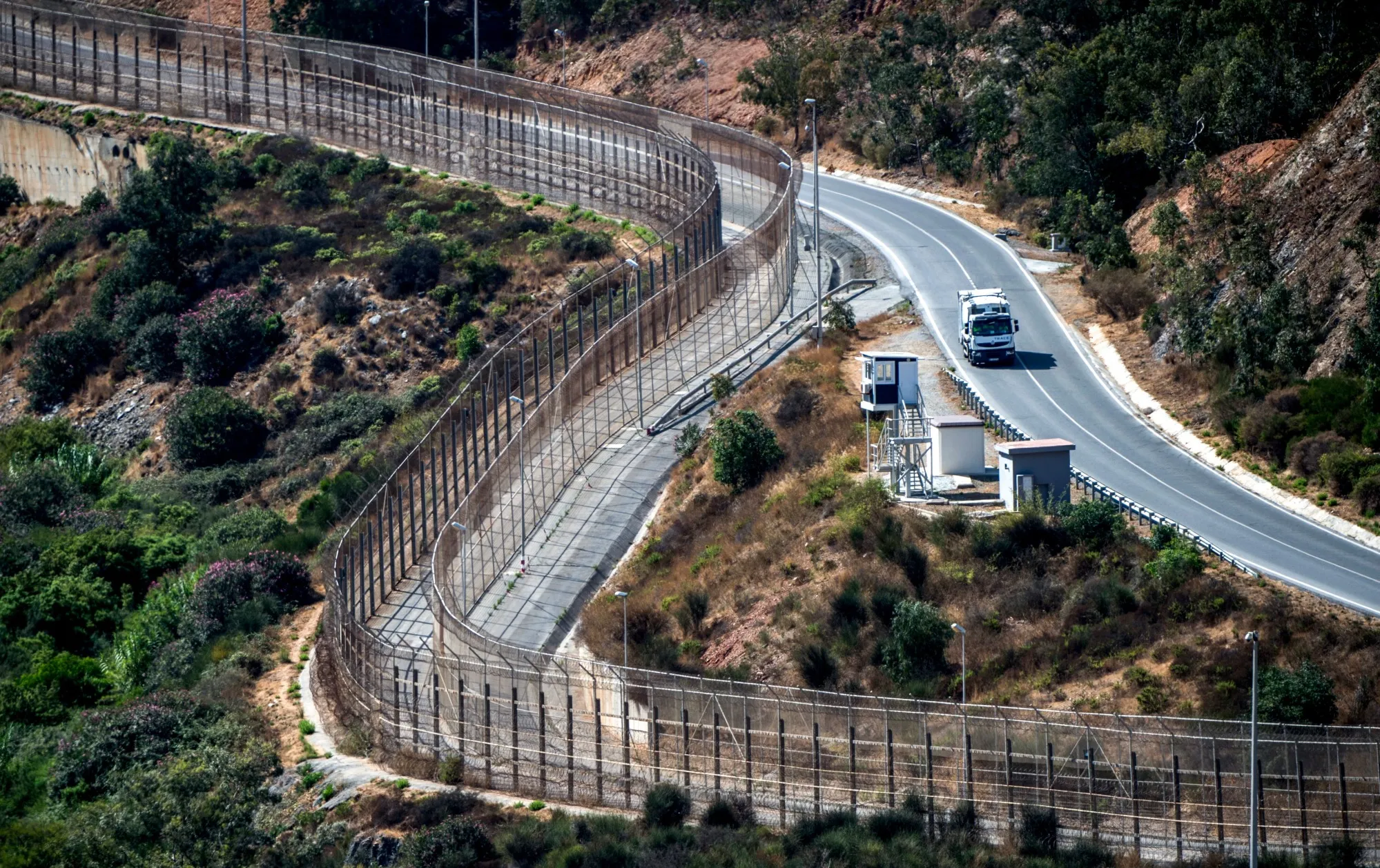
The crisis in the Mediterranean city, which serves as one of the European Union's only land borders with Africa, has pushed the enclave to its breaking point. While movement has largely stalled, small groups remain along the coast, scouting for gaps in the perimeter. The Guardia Civil police association reported that the sheer scale of the arrival overwhelmed existing security, leaving personnel unable to contain the crowds on Thursday. Prime Minister Pedro Sanchez arrived in the city alongside Interior Minister Fernando Grande-Marlaska to assess the aftermath, where charred vehicles and debris from clashes still litter the perimeter.
Territorial Policy Minister Angel Victor Torres attributed the surge partly to a recent Supreme Court ruling that limited the government's ability to summarily return migrants intercepted at sea. The legal uncertainty, combined with the pressure on local resources, has sparked a sharp rebuke from European partners. Italian Prime Minister Giorgia Meloni suggested that her government might suspend the Schengen open-border agreement with Spain, citing Madrid's recent amnesty policies as a catalyst for the influx. Spanish Foreign Minister Jose Manuel Albares dismissed the threat as inappropriate, demanding solidarity rather than political grandstanding from Rome as officials attempt to manage the humanitarian fallout and the logistical challenge of processing thousands of arrivals.


Comments (0)
No comments yet. Be the first!