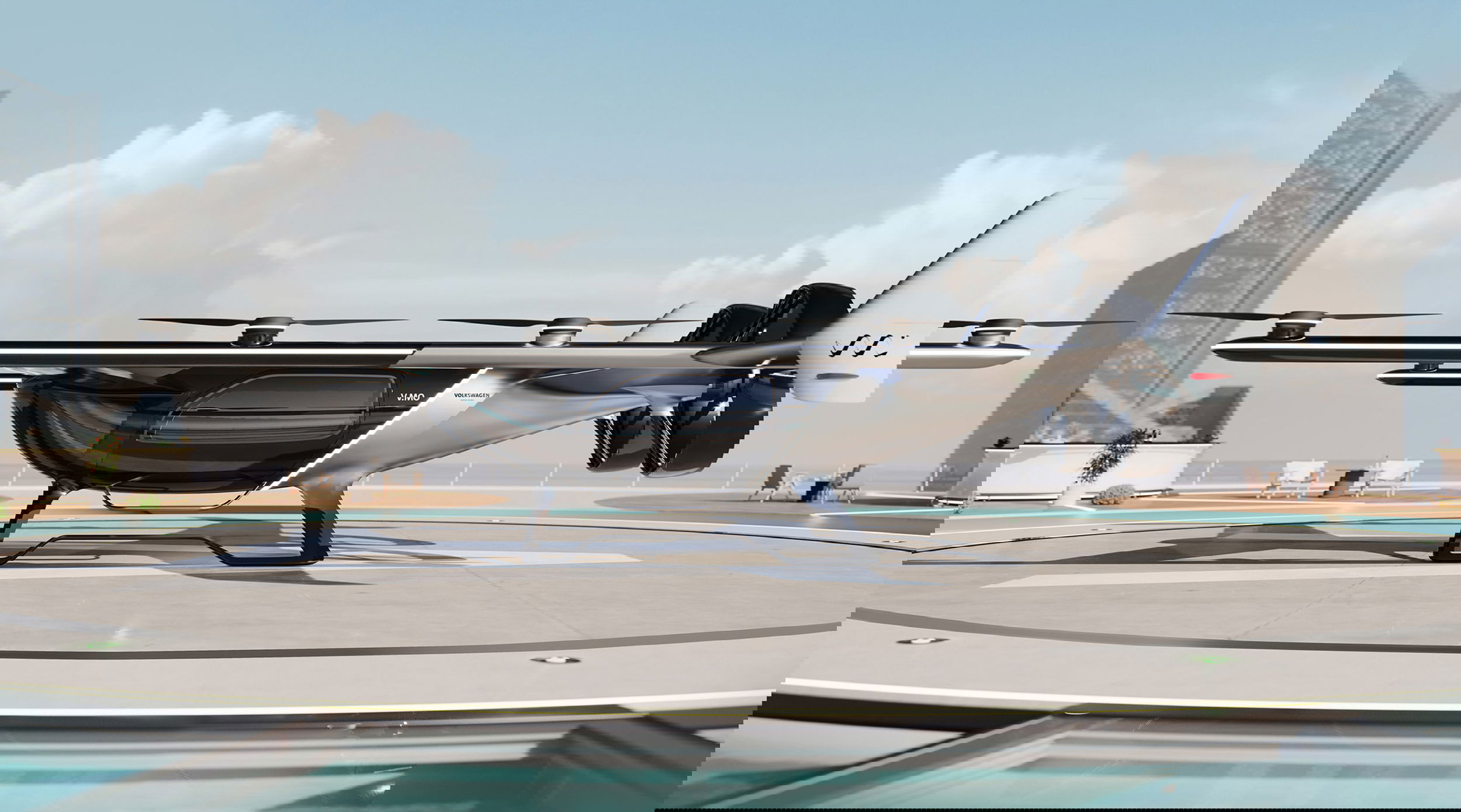
Launched in 2019, the initiative sought to pair Volkswagen’s manufacturing heritage with the promise of quiet, electric intercity travel. Engineers in Beijing developed prototypes like the "Flying Tiger" and "Sky Garden," yet the project struggled to escape the experimental phase. Technical disagreements with early partners, including Pantuo Aviation, bled into legal disputes, with accusations of intellectual property misuse sparking litigation that persists even after the program’s closure.
While Volkswagen battled internal engineering constraints and courtrooms, the Chinese domestic sector surged. Beijing’s push to prioritize the "low-altitude economy" created a fertile environment for local firms to accelerate testing and commercial deployment. By the time Volkswagen reached its final internal assessment, the technological gap had widened significantly. Faced with shrinking market share in its core automotive business and the dominance of agile local electric vehicle manufacturers, company leadership opted to pivot resources back toward traditional car sales. The cancellation underscores a stark reality: in China’s rapidly shifting mobility landscape, global brand recognition is no longer a substitute for the speed and local technological integration commanded by homegrown players.



Comments (0)
No comments yet. Be the first!