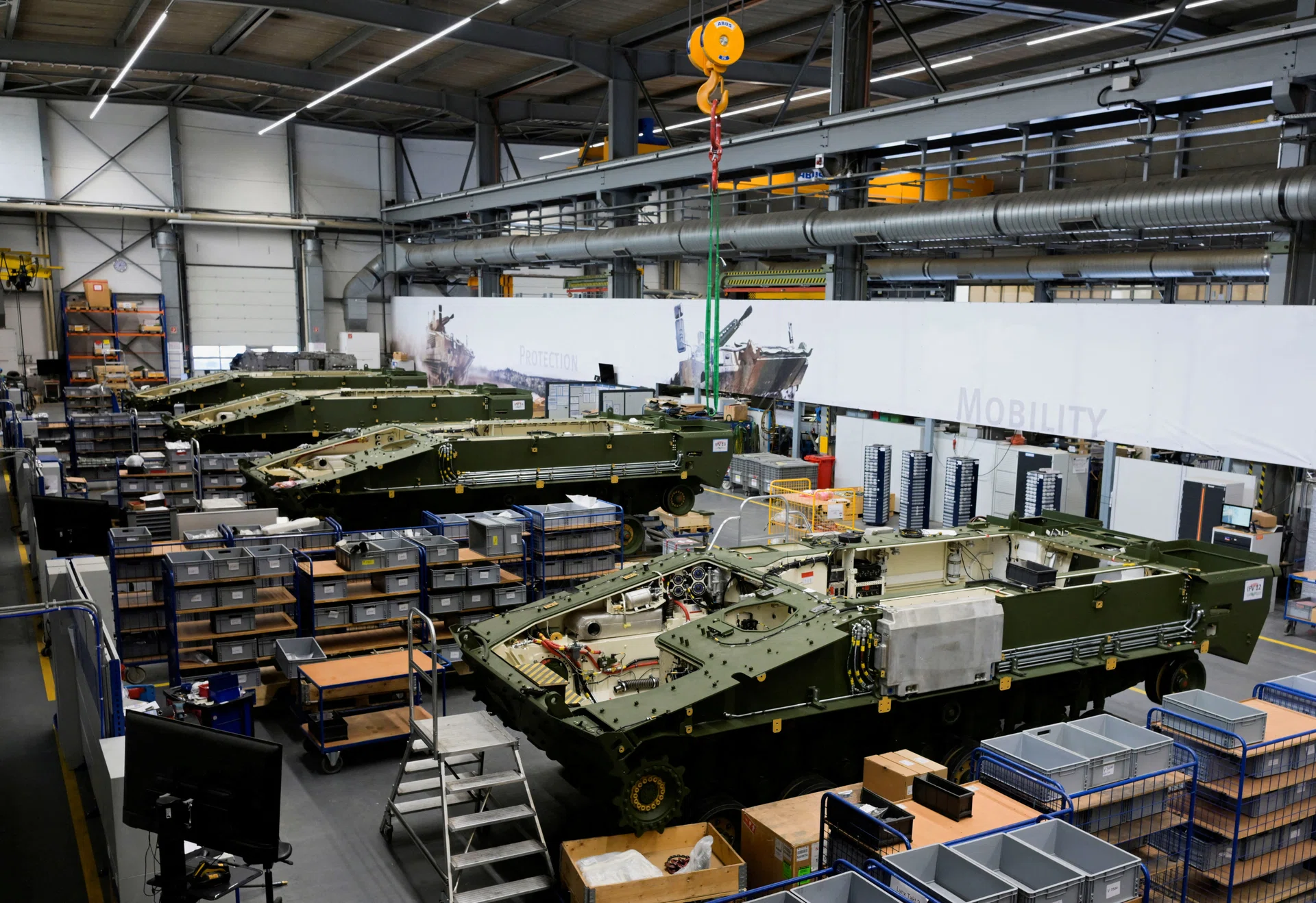
The 150-billion-euro Security Action for Europe fund, known as SAFE, mandates that at least 65 percent of a weapon’s value must originate within the EU, the EEA, or Ukraine. While this protectionist threshold successfully incentivizes factory expansion and capital flow, it simultaneously creates friction with essential non-EU partners. The dispute with the United Kingdom reveals that the fund is currently optimized for internal industrial consolidation rather than pragmatic military coalition-building.
Beyond the administrative hurdles, the scale of investment remains ambitious. The European Defence Industry Programme aims to mobilize roughly 190 billion euros by 2036 across five designated sectors, including space, maritime defense, and air missile systems. Poland currently leads the continent with a 4.8 percent GDP defense spend, positioning itself as the primary test case for whether these funds generate collective capacity or merely inflate individual national stockpiles. Despite these efforts, the delivery timeline for new projects remains misaligned with NATO planning assumptions, which suggest that European allies must be prepared to lead continental defense independently by 2035.


Comments (0)
No comments yet. Be the first!