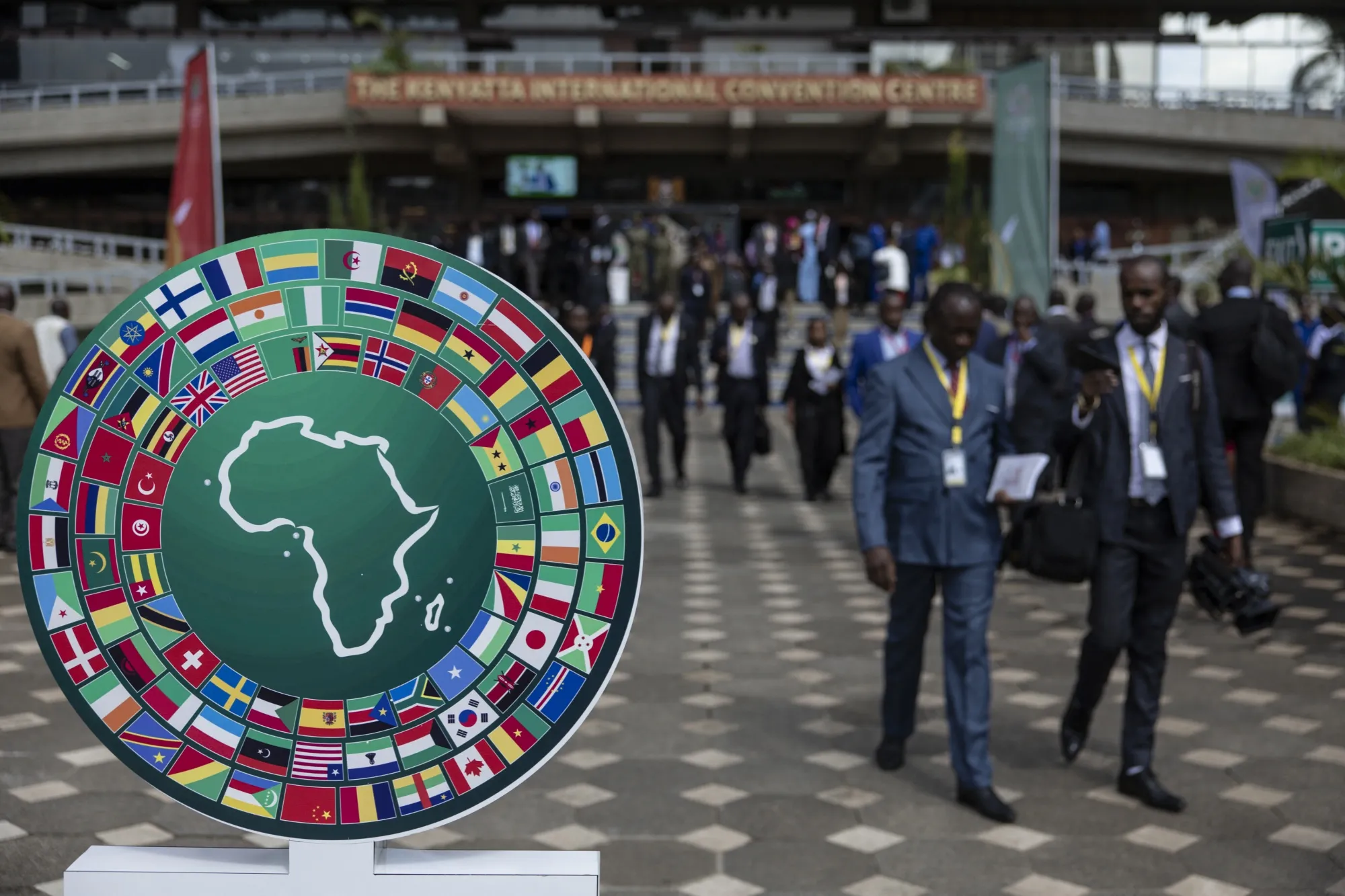
The AfDB’s 2026 Regional Economic Outlook projects growth to climb from 2.1% in 2026 to 2.7% in 2027, buoyed by the services sector and household spending. Yet, structural hurdles—ranging from stagnant agricultural productivity to persistent infrastructure gaps—threaten these gains. Gross capital formation dipped to 18.6% of GDP in 2025, falling short of the threshold necessary for sustainable transformation in middle-income economies.
Kennedy Mbekeani, the Bank’s Director General for the region, emphasized that success depends on navigating an increasingly fragmented global economy through better capital management. To bridge the widening deficit, the report advocates for aggressive implementation of the New African Financial Architecture for Development, alongside a shift toward blended finance and tapping into domestic institutional pools like pension and insurance funds.
Inflationary pressures are finally cooling, with projections falling from 26.1% in 2024 to 8.4% by 2026. However, fiscal deficits and public debt remain acute. In South Africa, the region’s largest economy, the outlook is cautiously optimistic. Following its removal from the FATF grey list, the country expects GDP growth to reach 1.6% by 2027, driven by agricultural output and reforms like Operation Vulindlela. Despite this, the nation still contends with a 31.4% unemployment rate and public debt projected to peak at 78.9% of GDP.


Comments (0)
No comments yet. Be the first!