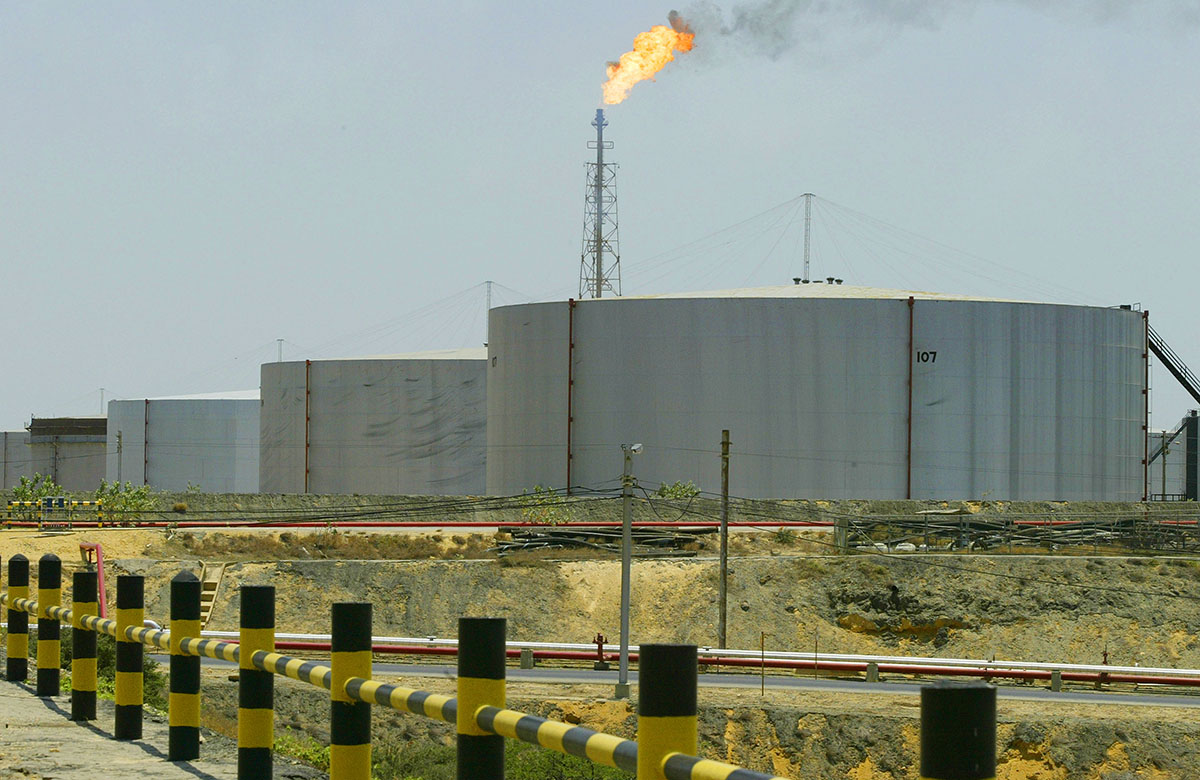
The Paraguana Refining Center, a massive complex in Falcon state once capable of processing 955,000 barrels of oil daily, serves as a stark monument to decades of neglect. Employees describe the site as a landscape of leaking pipelines and abandoned units, where waste pits overflow and equipment failures are routine. Recent earthquakes have only compounded these structural woes, forcing the government to shift its limited capital toward basic reconstruction rather than the comprehensive overhaul needed to modernize the facilities.
Foreign energy companies remain hesitant to commit to downstream rehabilitation. International firms already possess the capacity to process Venezuelan heavy crude more efficiently at their own plants in the United States, leaving little commercial incentive to gamble on the complex regulatory environment in Venezuela. Even with the state oil company PDVSA ending its long-standing monopoly, new tax burdens of up to 5 percent on gross income continue to deter potential private partners. Furthermore, traditional allies like Russia, Iran, and China face significant hurdles in providing support due to U.S. licensing restrictions.
Energy analyst Oswaldo Felizzola notes that any serious rehabilitation is unlikely to gain momentum before 2027. The government’s current strategy prioritizes the rapid expansion of crude exports to generate immediate revenue, relegating domestic fuel production to a secondary concern. This focus is further complicated by the country’s heavily subsidized fuel pricing system, which prevents refineries from generating the capital necessary for self-sustaining maintenance. Without a move toward market-rate pricing or a major shift in investment incentives, the widening gap between crude extraction and domestic refining capacity will likely persist, limiting the long-term economic impact of the country's oil sector recovery.


Comments (0)
No comments yet. Be the first!