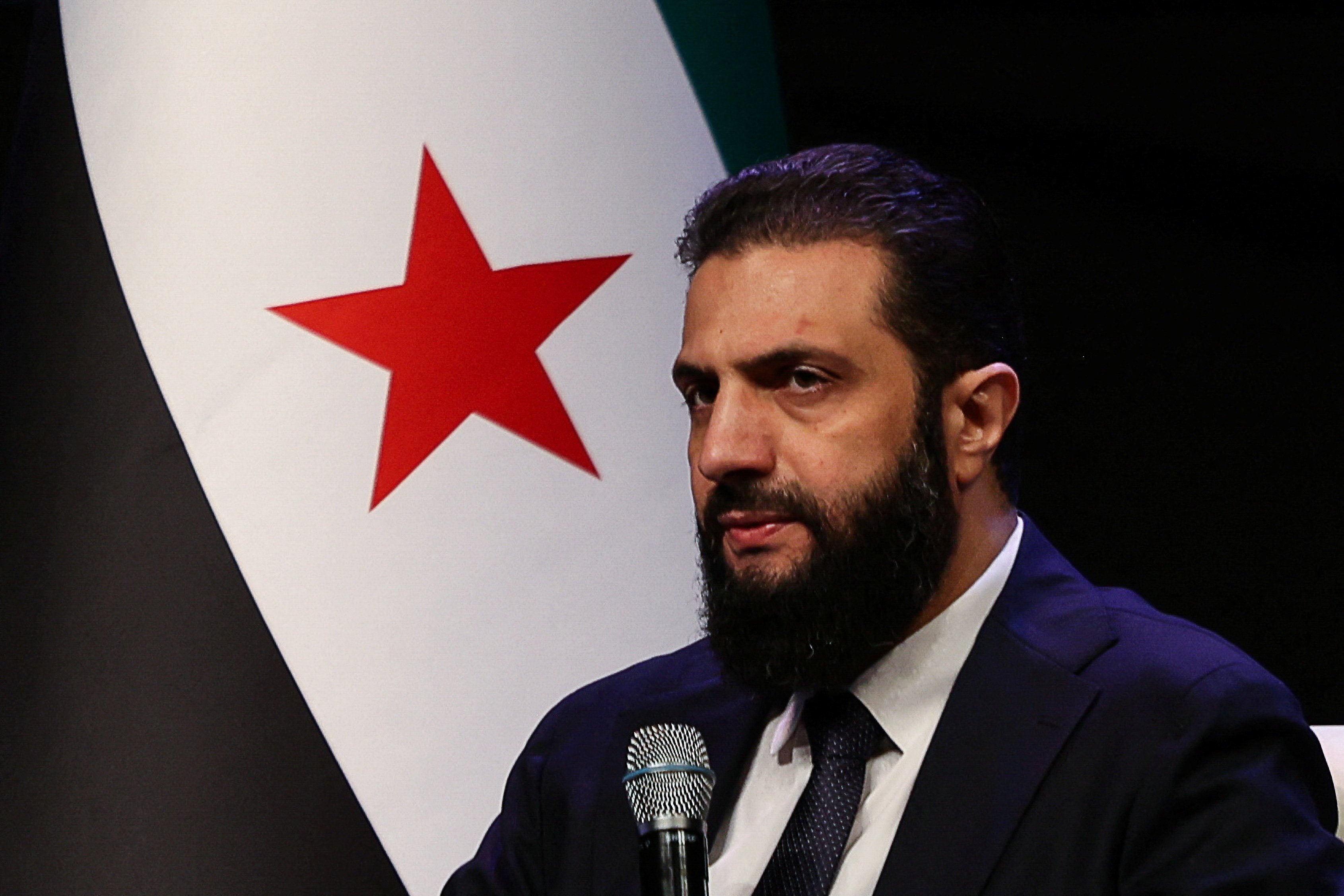
The removal of Syria’s state sponsor of terrorism designation on July 11 provided the final legal clearance for American firms to enter. However, the heavy lifting of reconstruction—ports, power grids, and telecommunications—was effectively locked up months earlier. Gulf states have committed roughly $28 billion to infrastructure, while Turkey has pledged an additional $11 billion. In contrast, the American presence remains focused on financial plumbing and legal advisory services, with little capital committed to physical assets.
This rapid influx of Gulf investment operates largely without a public-private-partnership framework or independent regulatory oversight. Four major Gulf corporate clusters now hold control over critical sectors through non-binding agreements and opaque concessions. While this provides the immediate capital a war-torn nation needs, it risks mirroring the previous regime's extraction patterns, placing sovereign wealth funds in the roles once held by connected oligarchs.
Europe, meanwhile, remains sidelined. Brussels has maintained a cautious, institution-first approach, providing roughly €620 million in aid while European firms stay absent from the sectors defining Syria’s future. This strategy leaves the EU with little leverage over data governance or energy standards. Unless Damascus adopts a formal competition law before these memorandums harden into long-term contracts, the reconstruction will continue to bypass the structural reforms necessary for sustainable stability.


Comments (0)
No comments yet. Be the first!