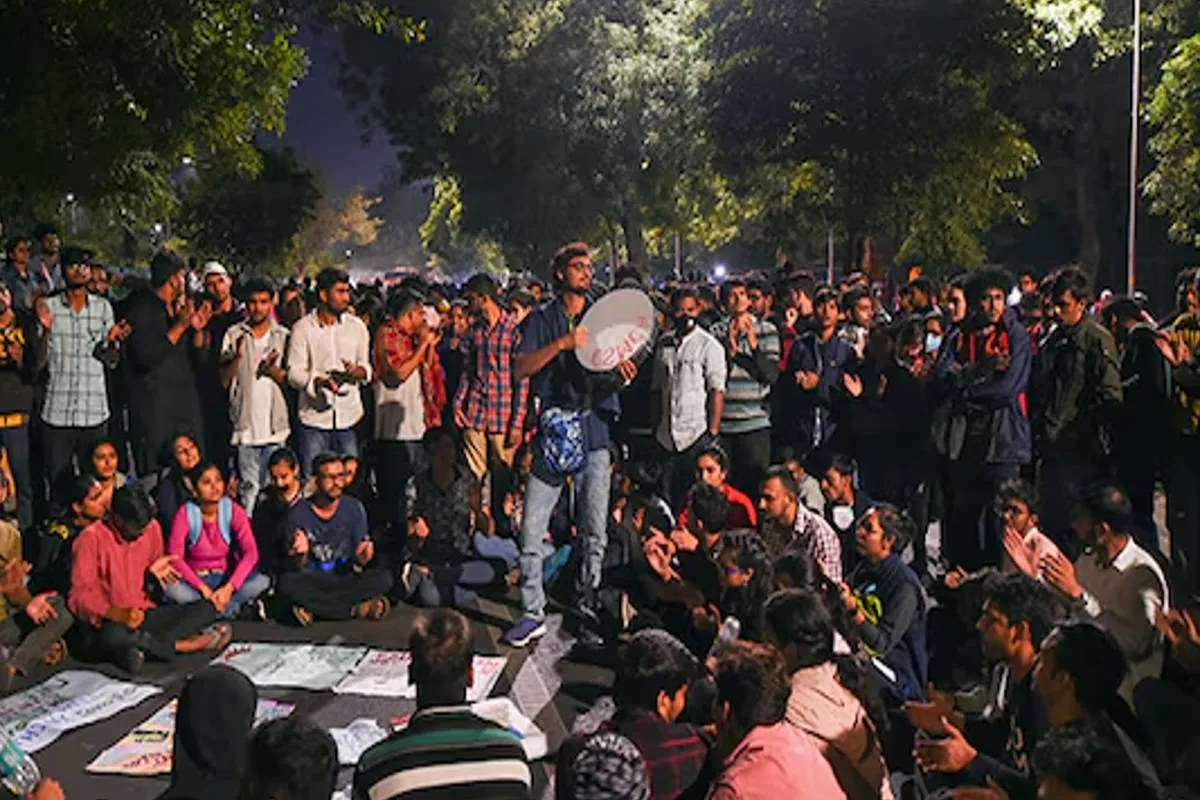
The scale of the NEET UG controversy highlights a recurring global pattern where educational governance acts as a litmus test for institutional competence. In India, where meritocracy is the primary vehicle for social mobility, the perception that examination systems are compromised strikes at the heart of the social contract. Similar unrest has previously reshaped political discourse in nations from Bangladesh to Chile, proving that when the state fails to protect the aspirations of the youth, it invites intense public scrutiny and mobilization.
Digital platforms have fundamentally altered these dynamics, allowing student movements to bypass traditional media and organize nationwide momentum within days. This shift creates a volatile environment where information—and the narrative surrounding state responses—becomes a contested terrain. While authorities often prioritize the maintenance of order, the international experience suggests that heavy-handed policing of student protests frequently backfires, eroding the very legitimacy that governments seek to defend.
Beyond the immediate administrative failures, these protests expose a deeper anxiety regarding the psychological burden of hyper-competitive education. Governments are now forced to confront the reality that academic pressure is no longer just a private family struggle, but a public health and governance issue. To regain confidence, systemic reforms including independent oversight, cybersecurity enhancements, and transparent communication are mandatory. Ultimately, India’s experience serves as a warning: in the twenty-first century, the ability to manage education with fairness is inseparable from the capacity to govern effectively.



/nginx/o/2026/03/09/17500383t1he8d3.jpg)
Comments (0)
No comments yet. Be the first!