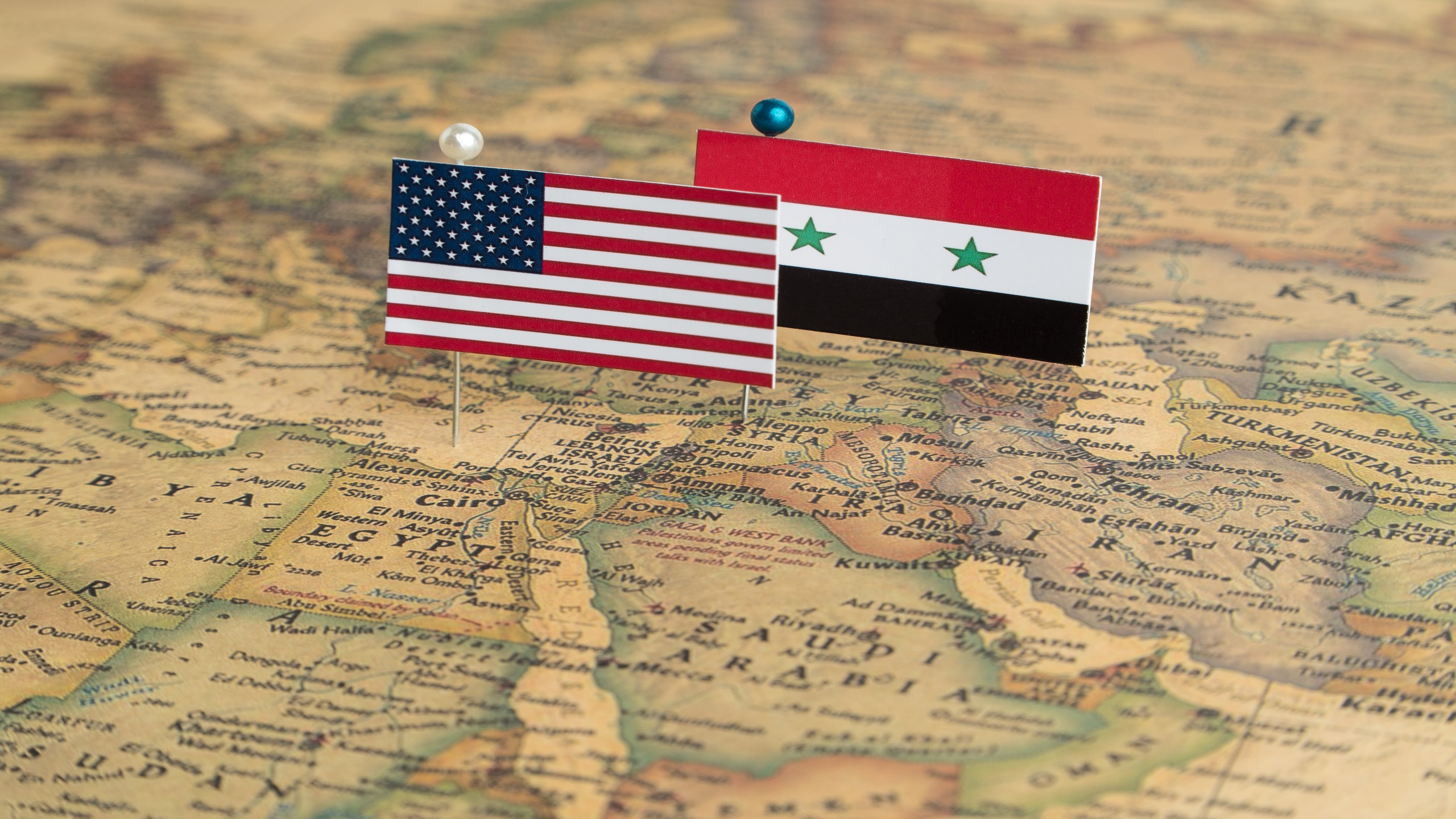
The shift away from sanctions represents a calculated reversal of the 'maximum pressure' doctrine. Following the collapse of the Assad regime in 2024, Washington systematically dismantled its legal architecture of containment. With the repeal of the Caesar Act and the removal of hundreds of entities from the Treasury’s blacklist, the U.S. has signaled that economic entanglement—rather than exclusion—is its new primary tool of statecraft. Jacob McGee, Deputy Assistant Secretary of State, confirmed this approach at the forum, framing the U.S. role as a facilitator for private capital to drive recovery, effectively bypassing traditional government-to-government aid.
This policy pivot rests on three pillars: neutralizing the influence of strategic rivals like Russia and China, stabilizing the region to prevent further displacement, and creating a framework that allows allied capital from Türkiye and the Gulf to flow safely. While firms like Chevron and ConocoPhillips explore the Syrian energy market, the strategy faces significant hurdles. Critics point to the failures of post-conflict reconstruction in Iraq and Libya, noting that without robust oversight, investment pledges often fail to materialize or descend into corruption. Furthermore, the U.S. faces a crowded field where Türkiye and Gulf states already hold dominant security and commercial positions. Whether Washington can maintain leverage in this environment depends on its ability to link ongoing economic engagement to concrete governance reforms and regional security benchmarks.

Comments (0)
No comments yet. Be the first!